
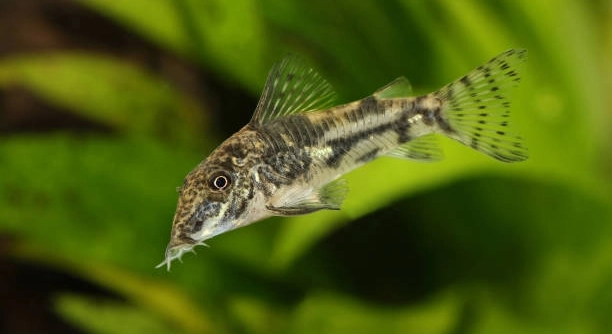
Corydoras catfish are popular aquarium pets, known for their peaceful nature and unique behavior. As a fish owner, it’s essential to ensure they’re receiving enough food for their health and well-being.
Corydoras catfish are generally easy to care for, but you may notice changes in their eating habits, indicating a need for more food. Signs of hunger or underfeeding include active searching for food, reduced activity, or weight loss.
Recognizing these signs will help ensure your catfish stays healthy and well-fed. Understanding their needs is important for creating the best environment for your fish’s growth and vitality.
Why Feeding Corydoras Catfish Properly is Important
Corydoras catfish are bottom dwellers and naturally scavengers in the wild, so they rely on food that sinks to the bottom of the tank. If your tank has other active fish, it’s easy for the catfish to miss out on food. They are usually shy, so they need an environment where food is accessible. Proper feeding is vital for their health, as they need a balanced diet to stay active and maintain their distinctive appearance. Without enough food, they may become weak, less active, or show other signs of stress. Ensuring they have access to food prevents malnutrition and promotes a healthy immune system.
If you’ve noticed that your Corydoras catfish are acting differently, their food intake might be the issue. Adjusting their diet can help them regain energy and improve their overall behavior.
Regular feedings and maintaining a clean tank can go a long way in keeping your fish healthy. Observing their eating habits and adjusting accordingly ensures that your catfish stay strong and happy.
Signs Your Corydoras Catfish Needs More Food
If your Corydoras catfish isn’t getting enough food, you may notice certain behaviors. They might swim around frantically, searching for food even after the scheduled feeding time. This behavior is a clear indicator that their needs aren’t being met. Corydoras are bottom feeders, so they often need sinking pellets or other food types designed for them. Their eating behavior may become more aggressive or desperate if food is lacking.
You might also notice that your Corydoras is losing weight or seems lethargic. These signs are concerning, as they indicate that the fish isn’t getting the nutrients it needs. Thin or sunken bellies, in particular, are red flags. Over time, malnutrition can cause them to develop weak immune systems, leaving them vulnerable to diseases. Inadequate food leads to poor growth and overall decline in their health. Corydoras catfish require specific nutrients that can only come from a well-rounded diet. If they’re not getting enough food, they may also compete more aggressively for any food that’s left, signaling desperation.
Feeding Corydoras properly is not only about quantity but also the right type of food. They need a mix of sinking pellets, fresh veggies, and occasional protein sources to stay healthy. Regular feeding schedules should be followed, and you should always make sure food is accessible to them.
Common Mistakes When Feeding Corydoras Catfish
Overfeeding can be just as harmful as underfeeding. If you give your Corydoras too much food, it can lead to water quality issues, as uneaten food decays quickly. This can cause harmful bacteria to grow, which impacts the health of your fish. To prevent this, always observe the amount of food being consumed.
Another mistake is feeding food that doesn’t sink. Corydoras need food that reaches the bottom, where they naturally forage. If you’re using floating food, your fish may not be able to reach it, causing them to miss meals. Use sinking pellets or wafers designed specifically for bottom-feeding fish to ensure they get the nutrients they need.
Lastly, feeding them the same food every day can result in a lack of variety. Just like us, Corydoras need a balanced diet with different nutrients. Rotate their meals by offering a mix of pellets, freeze-dried worms, or blanched vegetables like zucchini or spinach. This will keep them healthy and engaged during feeding times.
The Importance of Consistent Feeding Schedules
Setting a consistent feeding schedule is essential for your Corydoras catfish’s well-being. They rely on routine, and when feeding times are predictable, they will naturally become more active and anticipate their meals. Regular feeding also helps them adjust to a healthy eating pattern, reducing the chance of overfeeding or underfeeding.
Try feeding them small amounts twice a day, ensuring that they finish everything within 2-3 minutes. This prevents overfeeding and allows you to track their consumption more easily. If your fish finish their food quickly, you can gradually increase the portion size, but always avoid excess. You want to strike a balance, making sure they get enough but without causing excess waste in the tank.
With consistent feeding, your Corydoras will grow steadily, stay active, and maintain their beautiful appearance. It also prevents other issues like aggressive behavior caused by hunger. Creating a regular routine will contribute to healthier fish and a cleaner tank environment.
How to Adjust Your Feeding Quantity
Finding the right amount of food for your Corydoras catfish is key to keeping them healthy. Overfeeding leads to water issues, while underfeeding can leave them hungry. A general rule is to offer only what they can consume in a few minutes.
Start with a small amount of sinking pellets or wafers. Wait for them to finish and observe their behavior. If they are still actively looking for more food after a few minutes, add a bit more next time. Make sure to avoid leaving uneaten food in the tank, as it can lead to poor water quality.
Tracking their feeding habits will help you find the perfect balance. Every fish is different, and some may need slightly more or less food depending on their size and activity level. Always adjust accordingly for the best results.
Sinking vs. Floating Foods
Corydoras are bottom feeders and need sinking food to properly access it. Floating food can easily be missed, leaving your catfish hungry. Sinking pellets or wafers will ensure they get enough nutrients.
Make sure to choose sinking food specifically designed for bottom feeders. This type of food sinks quickly and allows your catfish to graze at their own pace. Floating food won’t work for Corydoras, as they often struggle to reach it.
Feeding Variety for a Balanced Diet
Feeding Corydoras a variety of foods is crucial for their health. A balanced diet should include sinking pellets, live or frozen food, and vegetables. These different food types offer essential nutrients and promote natural behaviors.
Adding live or frozen foods like bloodworms or brine shrimp can provide protein, while blanched vegetables like zucchini or spinach offer fiber and vitamins. Rotate their meals regularly to prevent boredom and ensure they receive all the nutrients they need for a long, healthy life.
FAQ
How often should I feed my Corydoras catfish?
Corydoras catfish should be fed twice a day, offering them small amounts of food they can consume within 2-3 minutes. You don’t want to overfeed them, as uneaten food can degrade water quality. Make sure to observe their behavior after feeding. If they’re still actively searching for food, you can slightly increase the portion in the next feeding. This schedule helps maintain their health and keeps the tank clean.
Can Corydoras eat flake food?
While Corydoras catfish can technically eat flake food, it’s not the best choice for them. Flakes often float on the surface, and Corydoras are bottom feeders, meaning they may miss out on the food. It’s better to provide sinking pellets or wafers specifically designed for bottom feeders. This way, your catfish can easily access their food, ensuring they get all the nutrients they need.
Do Corydoras need live food?
Live food isn’t strictly necessary for Corydoras catfish, but it can be a great addition to their diet. Offering live foods like brine shrimp, bloodworms, or daphnia provides extra protein and can help keep your catfish active and engaged. It’s not a daily requirement, but adding live food occasionally helps mimic their natural diet and gives them extra variety. You can also use frozen versions of these foods as an alternative if live food is not accessible.
Can Corydoras catfish eat vegetables?
Yes, Corydoras can eat vegetables, and they benefit from the extra fiber and vitamins. Blanched vegetables such as zucchini, spinach, or peas are great choices. Make sure to chop them into small, manageable pieces before offering them to your catfish. Vegetables can help promote healthy digestion and add variety to their diet. However, avoid overfeeding veggies, as uneaten portions can quickly decay in the tank and affect water quality.
How can I tell if my Corydoras is getting enough food?
A healthy Corydoras catfish should be active, regularly foraging for food, and maintaining a good weight. If your fish are constantly searching for food, appear underweight, or have sunken bellies, they may not be getting enough. You should also notice a lack of aggression during feeding times; if your Corydoras are fighting over food, it’s likely they need more. Monitor their behavior closely and adjust the amount you feed accordingly.
Can Corydoras catfish go without food for a day or two?
Corydoras catfish can typically go without food for a day or two without issue. However, consistently skipping meals can stress them and impact their health. If you’re planning to be away for a couple of days, consider using an automatic fish feeder or asking someone to feed them. They can also survive on natural algae or leftover food in the tank, but this should not be a regular substitute for feeding.
What happens if I overfeed my Corydoras catfish?
Overfeeding your Corydoras catfish can lead to several problems, including water quality issues. Uneaten food can rot, creating harmful toxins that affect both the fish and the tank environment. Additionally, overfeeding can cause obesity, leading to poor health and a weaker immune system. It’s important to provide only as much food as they can eat within a few minutes, ensuring everything is consumed and no leftovers remain.
How do I prevent my Corydoras catfish from being underfed?
To prevent underfeeding, observe your catfish during feeding times. If they finish their food quickly and continue searching, you may need to increase their portion size slightly. Consider the number of fish in the tank and how much food each fish can realistically consume. If you have a larger group, they may need more food to avoid competition for nutrients. Additionally, check that the food sinks to the bottom, where they can easily access it.
Can Corydoras eat all types of fish food?
Corydoras are picky eaters and require food that is specifically designed for bottom feeders. They prefer sinking pellets or wafers, but can also eat certain types of frozen or live foods, and even some vegetables. Avoid offering floating foods like flakes, as they are not accessible to bottom dwellers. Stick to foods that reach the bottom of the tank for the best feeding results.
Do Corydoras eat algae in the tank?
Corydoras catfish do help with cleaning up algae in the tank, but they should not be relied upon as the primary source of algae control. They may nibble on some algae, but their diet should still consist of specially formulated foods. Algae-eating behavior varies between individual catfish, so while some may eat it, others may not be as inclined. Providing a balanced diet ensures they stay healthy and helps control algae buildup through proper filtration.
How can I make sure my Corydoras are eating enough during feeding time?
Ensure you feed your Corydoras catfish at the same time each day and monitor their response. If they’re eating quickly and actively searching for more, this could indicate they need slightly more food. To make sure they’re getting enough, observe how much food is left after a few minutes. If there’s a lot of uneaten food, you’re probably overfeeding. If they finish quickly, it’s time to adjust the portion size.
How do I choose the best food for Corydoras catfish?
When choosing food for your Corydoras, look for sinking pellets or wafers designed for bottom feeders. These foods are formulated to provide all the necessary nutrients like protein, fiber, and vitamins. You can also add variety with occasional live, frozen, or blanched vegetable options. Try to avoid foods that float on the surface, as these are not ideal for bottom feeders.
Final Thoughts
Corydoras catfish are relatively easy to care for, but they do have specific dietary needs that must be met to ensure they stay healthy and active. These fish are bottom dwellers, and their diet should reflect their natural feeding habits. Offering the right type of food, like sinking pellets and occasional live or frozen foods, helps them stay strong and happy. Avoid feeding floating foods, as they won’t be able to access them. A proper feeding schedule and a balanced diet are key to their well-being.
Overfeeding is a common issue among fish owners. While it may seem like a good idea to offer extra food, it can actually harm both the fish and the tank environment. Uneaten food that sits at the bottom of the tank can quickly decay, leading to poor water quality and health problems for your fish. Monitoring your Corydoras during feeding times ensures they are getting the right amount. A small portion, eaten within a few minutes, is usually all they need. Adjusting the portion size based on how quickly they finish their meals is an easy way to prevent overfeeding or underfeeding.
Lastly, consistency is important. Corydoras thrive on routine, so try to feed them at the same times each day. This gives them a sense of stability and allows you to track their eating habits more easily. By observing their behavior and adjusting their food intake as needed, you will help ensure they stay healthy and avoid stress. With the right care and attention to their dietary needs, Corydoras catfish can live long, happy lives in your aquarium.

Hello,
If you enjoy the content that we create, please consider saying a "Thank You!" by leaving a tip.
Every little bit helps us continue crafting quality advice that supports the health, happiness, and well-being of pets around the world, for pets of all shapes, sizes, and species.
We really appreciate the kindness and support that you show us!