
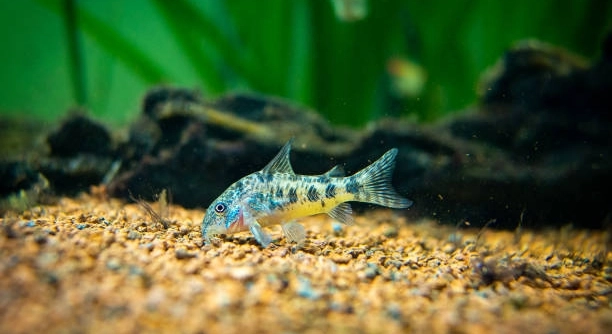
Corydoras catfish are popular for their peaceful nature and active behavior. However, it’s important to make sure they have the right amount of oxygen in their tank for a healthy life.
Corydoras catfish require a sufficient oxygen supply in the water to stay healthy. Signs of oxygen deficiency can include labored breathing, surface gasping, lethargy, and changes in behavior. It’s essential to ensure proper aeration to avoid these issues.
Recognizing the early symptoms of oxygen shortage can prevent serious health problems. Proper care and timely intervention can keep your corydoras happy and thriving in their aquatic home.
Importance of Oxygen for Corydoras Catfish
Corydoras catfish, like all fish, rely on oxygen in the water to thrive. These fish have small, specialized gills that allow them to absorb oxygen as water flows over them. However, when oxygen levels are low, they struggle to breathe properly, which can cause stress and other health issues. It’s crucial to maintain a well-aerated tank to support their respiratory needs.
Having the right oxygen level not only ensures your corydoras catfish remain active and healthy but also supports their natural behavior. They are bottom dwellers, often searching for food near the substrate, and need enough oxygen to maintain their lively personalities. Without proper oxygen, their immune system can weaken, making them more vulnerable to disease. Ensuring your tank’s water is properly aerated is key to their long-term health.
A good rule of thumb is to monitor the tank regularly. If your corydoras appear sluggish, or if you see them gasping at the surface, it could be a sign that oxygen levels are too low. Installing a reliable filter or air pump can help keep oxygen levels up, giving them a better environment to thrive.
Signs of Low Oxygen in Your Corydoras
Low oxygen in the tank can impact your corydoras catfish’s overall well-being. If you notice your fish spending more time near the water surface, it may be struggling to get enough air.
When oxygen levels drop, your corydoras will start showing visible signs. They may begin to swim near the surface, gulping for air. This is often the first sign that your tank is not providing enough oxygen. You might also observe them becoming more lethargic, spending more time resting at the bottom of the tank. In severe cases, they can become less responsive or even stop eating.
If you see these symptoms, it’s essential to act quickly. Check the tank’s aeration and consider adjusting the water flow or adding an air stone. A healthy, oxygen-rich environment helps prevent these symptoms from becoming more serious, allowing your fish to maintain their energy levels and vibrant behavior. Regular tank maintenance will keep your corydoras catfish happy and active.
Why Proper Aeration Is Crucial for Corydoras Catfish
Proper aeration helps distribute oxygen evenly throughout the tank, ensuring all areas have enough oxygen for your corydoras catfish. Without it, the fish may struggle to get the air they need.
Aeration is essential, especially in tanks that are densely planted or have a lot of substrate. These areas can trap debris and reduce water flow, leading to lower oxygen levels. By adding a filter or air stone, you ensure water moves efficiently, allowing oxygen to reach all parts of the tank. Good aeration also keeps the water from becoming stagnant, which can lead to unhealthy conditions.
Without proper aeration, your corydoras might find it harder to breathe, leading to stress. This can weaken their immune systems, making them more susceptible to illness. If they can’t get enough oxygen, it can also disrupt their natural behavior, leaving them lethargic or less active. Maintaining a steady flow of oxygen through aeration is key to a happy, healthy corydoras catfish.
Oxygen Demand in Different Tank Conditions
The oxygen needs of your corydoras catfish can vary depending on the tank’s temperature, size, and fish population. Warmer water holds less oxygen, so you’ll need extra aeration to make up for it.
When the water temperature rises, the amount of oxygen available decreases. This is why many fishkeepers use air pumps or filters that circulate the water. If you have a heavily stocked tank, there will also be greater oxygen demand due to the higher number of fish. In such cases, maintaining an effective aeration system becomes even more important. An overcrowded tank can lead to oxygen depletion quickly, especially if the filtration system isn’t adequate.
Monitoring the temperature and stocking density can help you understand the oxygen needs of your corydoras. Adjustments to aeration might be necessary during the warmer months when water temperatures rise. Also, if you have plants, remember they consume oxygen at night, which might further reduce the available supply. Keeping a balance in your tank is essential to avoid oxygen shortages.
Common Symptoms of Oxygen Deficiency in Corydoras Catfish
Oxygen deficiency can lead to several noticeable symptoms in your corydoras catfish. These include gasping at the surface, lethargy, and loss of appetite.
If you notice your corydoras spending more time near the surface, gasping for air, or swimming erratically, these are clear signs that oxygen levels may be too low. Over time, they may become sluggish and less active. You may also observe them not eating as much. It’s important to address these symptoms quickly by improving the tank’s oxygenation.
How to Increase Oxygen in Your Tank
To increase oxygen levels in your tank, consider adding an air pump or an air stone. Both devices help circulate the water, improving oxygen distribution.
Another option is to check the filter system to ensure it’s working efficiently. If the water isn’t flowing properly, oxygen exchange can be limited. Also, you can adjust the water surface movement to increase oxygen absorption. More surface agitation will help oxygen enter the tank more effectively. Lastly, ensure your tank isn’t overcrowded, as fewer fish will help maintain a higher oxygen level per fish.
The Role of Tank Maintenance in Oxygen Levels
Regular tank maintenance is crucial for keeping oxygen levels steady. Cleaning the substrate and removing excess debris prevents water from becoming stagnant.
Over time, detritus can build up on the bottom, which may deplete the oxygen in the tank. Cleaning the tank regularly and checking the filter system helps maintain proper water circulation. Changing a portion of the water weekly ensures that the oxygen content stays fresh and high. Keeping the tank clean prevents unwanted organic waste from depleting the oxygen, keeping your corydoras healthy.
FAQ
What are the signs that my corydoras catfish is not getting enough oxygen?
If your corydoras catfish is not getting enough oxygen, you’ll notice them spending more time near the surface, gasping for air. They may swim erratically or seem more sluggish than usual. Additionally, they might stop eating or show little interest in their food. These symptoms suggest that they are struggling to get enough oxygen in the tank.
How can I check if the oxygen levels in my tank are low?
One of the easiest ways to check oxygen levels is by observing your fish. If they are frequently gasping at the surface, it’s likely oxygen levels are too low. You can also test the water with an oxygen test kit to confirm. However, visual signs like surface gasping and inactivity are usually reliable indicators.
Can oxygen levels in the tank be too high for corydoras catfish?
It is unlikely that oxygen levels can be too high for corydoras catfish. Fish can typically adapt to higher oxygen levels, but there can be a downside to excessive water movement. If aeration is too strong, it may stress the fish, especially in smaller tanks or tanks with delicate species. A moderate level of water movement is ideal.
Do I need an air pump if I already have a filter in my tank?
While a filter helps maintain water quality, it doesn’t always provide enough aeration for your fish. An air pump or air stone adds extra oxygen into the tank and helps keep water moving in areas that the filter might miss. It’s a good idea to add an air pump if you notice oxygen-related symptoms or if your tank is heavily stocked.
How often should I check the oxygen levels in my aquarium?
It’s a good habit to check oxygen levels regularly, especially if you notice any signs of distress in your fish. In general, check at least once a month or after making significant changes to the tank, such as increasing the fish population or raising the temperature. A regular routine ensures you’re staying on top of tank conditions.
Can high water temperature lower oxygen levels for corydoras catfish?
Yes, higher water temperatures decrease the solubility of oxygen. Warmer water holds less oxygen, and this can be particularly problematic for corydoras catfish, who require steady oxygen levels. If the temperature in your tank rises, you may need to increase aeration to maintain sufficient oxygen.
Should I add live plants to my tank for better oxygen levels?
Live plants can help improve oxygen levels in the tank, but they alone aren’t enough to keep oxygen levels up for your corydoras catfish. While plants release oxygen during the day through photosynthesis, they consume oxygen at night. Having plants can be beneficial, but you’ll still need adequate filtration and aeration to keep oxygen levels stable.
Is surface agitation enough to ensure good oxygen levels for corydoras catfish?
Surface agitation helps oxygenate the water, but it’s not always enough on its own. The amount of agitation required depends on tank size, water temperature, and the fish population. In a well-stocked tank or a warmer environment, additional aeration from an air pump or air stone is often necessary.
What size tank is best for corydoras catfish to maintain good oxygen levels?
A tank that’s too small can easily become oxygen-deprived, especially if it’s overstocked. For a group of corydoras, a tank size of at least 20 gallons is recommended. Larger tanks with more water volume tend to have more stable oxygen levels, which reduces the risk of oxygen deficiency. Proper filtration and aeration are just as important as tank size.
Can overfeeding cause oxygen levels to drop in the tank?
Yes, overfeeding can lead to excess food decomposing in the water, which in turn can consume oxygen and lead to poor water quality. It’s important to feed your corydoras only as much food as they can consume within a few minutes. This prevents uneaten food from polluting the water and depleting oxygen levels.
How does water quality impact oxygen levels for corydoras catfish?
Poor water quality can lead to oxygen depletion. When waste products, uneaten food, and debris build up in the tank, they create a buildup of organic matter that consumes oxygen. Regular water changes, cleaning the substrate, and ensuring the filter is working properly are important steps to maintaining oxygen levels and overall water quality.
Can I add an oxygen supplement to my tank if the levels are low?
Oxygen supplements are available for aquariums, but they should be used as a temporary solution rather than a long-term fix. Relying on supplements instead of improving tank aeration can lead to ongoing issues. It’s better to address the root cause of low oxygen levels, such as inadequate water movement or overstocking, to ensure a stable environment for your corydoras.
What can I do if my corydoras catfish is still stressed despite oxygen improvements?
If your corydoras continues to show signs of stress after you’ve addressed oxygen levels, there could be other factors at play. Check for potential problems like water temperature fluctuations, poor water quality, or overcrowding. It’s also important to ensure the tank is properly cycled, as an uncycled tank can harm fish.
Final Thoughts
Ensuring your corydoras catfish has enough oxygen is key to their overall health and well-being. These fish are sensitive to changes in water quality, and low oxygen levels can cause them stress and lead to serious health issues. If you notice signs like gasping for air, lethargy, or loss of appetite, it’s a good idea to check the oxygen levels in your tank. Keeping your tank properly aerated will not only prevent these issues but also help your corydoras remain active and vibrant.
Maintaining good aeration is relatively simple with the right equipment. Using air pumps, air stones, and a reliable filter can significantly improve the oxygen exchange in the tank. Adjusting the water flow, especially if the tank is heavily planted or stocked, can also help maintain better oxygen levels. Remember, the right temperature is important too, as warmer water holds less oxygen. If you’re in a warmer climate or running a heated tank, more aeration might be necessary. Regular water changes and proper tank maintenance are also important steps to keep oxygen levels stable and the water healthy for your fish.
By monitoring oxygen levels and keeping an eye on your corydoras catfish, you can help prevent oxygen deficiency and ensure they have the best environment possible. It’s a good practice to observe their behavior regularly, as early signs of stress can often be linked to low oxygen levels. Addressing the problem quickly by improving aeration and water quality can save your fish from further harm. With a little attention, your corydoras catfish can live a long, healthy life in a well-maintained tank.

Hello,
If you enjoy the content that we create, please consider saying a "Thank You!" by leaving a tip.
Every little bit helps us continue crafting quality advice that supports the health, happiness, and well-being of pets around the world, for pets of all shapes, sizes, and species.
We really appreciate the kindness and support that you show us!