
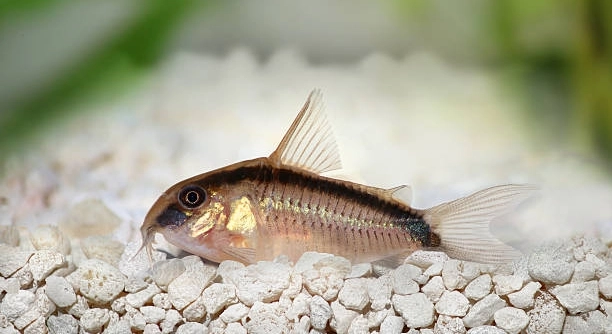
Corydoras catfish are known for their peaceful nature, often seen gently swimming around your aquarium. However, if you notice them scratching on objects, it could indicate a problem that requires attention. This behavior can sometimes be puzzling.
The main reason your Corydoras catfish might be scratching is due to skin irritation or external parasites. These can cause discomfort, prompting them to rub against objects in an attempt to alleviate the irritation.
Understanding why your Corydoras catfish is scratching is essential to ensuring their well-being. There are several reasons behind this behavior, and addressing them can help maintain a healthy tank.
External Parasites
One of the most common reasons your Corydoras catfish might be scratching is due to external parasites like ich or velvet. These tiny organisms attach themselves to the skin, causing irritation. As the catfish tries to remove them, it rubs against objects in the tank. These parasites can be introduced through new fish or contaminated equipment. If you notice small white spots or a golden sheen on your catfish’s body, this could be a clear sign of a parasitic infection. Treatment usually involves adding medication to the water that targets the specific parasite.
If your Corydoras has been scratching more than usual, it’s best to closely examine the tank and fish. Look for any visible signs of infection or parasites. Immediate action can help prevent the spread to other fish.
Treatment options include medicated baths or adding aquarium salt to help soothe the catfish’s skin. Keep an eye on your tank’s temperature and water quality, as both can impact the effectiveness of the treatment.
Water Quality Issues
Poor water quality is another major factor that could be causing your Corydoras to scratch. If the water parameters in your tank are off, it can lead to skin irritation. High ammonia, nitrites, or poor oxygen levels can stress fish, making them more prone to scratching behavior. It’s essential to regularly test your tank’s water to ensure the pH, hardness, and other parameters are within the right range for your fish.
Water changes and proper filtration can help maintain the right balance, reducing the likelihood of skin irritation. Regular maintenance also ensures that your Corydoras has the healthiest possible environment. It’s important to also avoid overfeeding, as excess food can contribute to poor water quality and unwanted debris in the tank.
Overcrowding
When your aquarium is overcrowded, it can lead to stress and skin problems for your Corydoras catfish. Too many fish in a small space can cause territorial disputes and increase the likelihood of parasites spreading. Scratching is often a sign of stress caused by overcrowding.
Maintaining a proper fish-to-tank ratio is crucial to keeping your Corydoras comfortable. A tank that’s too small or crowded can make it harder for fish to find enough space to swim and rest. This constant stress can manifest in scratching behavior, as they try to relieve discomfort.
To prevent overcrowding, ensure your tank is spacious enough for the number of fish you have. Typically, Corydoras need around 10 gallons of water per group of six, but more space can always be beneficial. Also, avoid adding too many new fish at once, as this can disrupt the tank’s balance and lead to stress.
Skin Injury or Damage
Your Corydoras may scratch because of a physical injury to its skin. Sometimes fish can accidentally scrape against sharp objects or rocks in the tank, leading to discomfort. These injuries can cause them to rub against surfaces to ease irritation.
Inspect the aquarium carefully for any sharp decorations or rough surfaces. If your fish has suffered an injury, make sure there are no hazardous objects left in the tank. Some injuries may heal on their own, but others might require special care, such as applying antibacterial treatments or adjusting water conditions to prevent infection.
Keep an eye on the injury to see if it gets worse or shows signs of infection. If it doesn’t improve within a few days or starts to look infected, consult an aquarium specialist for advice on the best course of action to help your Corydoras heal.
Fungal Infections
Fungal infections can also cause your Corydoras catfish to scratch. These infections typically appear as fuzzy white or gray patches on their skin. The discomfort from the infection can make the fish rub against tank surfaces to try to relieve the itching.
Fungal infections are often caused by poor water quality or stress. If you notice unusual patches on your fish, it’s important to treat the tank right away with antifungal medication. Be sure to remove any dead plant matter or debris that could worsen the condition.
Proper water conditions are key to preventing fungal infections. Regularly check the water parameters and perform water changes as needed to maintain a clean environment.
Bacterial Infections
Bacterial infections can also lead to scratching in Corydoras catfish. These infections can be caused by poor water quality or physical injuries. If a fish has an open wound, bacteria can easily infect it, causing irritation and discomfort.
Symptoms of bacterial infections include red sores, ulcers, or frayed fins. If you see any of these signs, consider isolating the affected fish and treating it with appropriate medication. Keeping the tank clean and removing any stressors will help your fish recover quickly and prevent further bacterial outbreaks.
Allergic Reactions
Your Corydoras catfish may also scratch due to allergic reactions. They might react to certain substances in the tank, such as new decorations, water conditioners, or even food additives. These allergic responses can irritate their skin, causing them to rub against objects in the tank.
FAQ
Why is my Corydoras catfish scratching against rocks?
Corydoras catfish may scratch against rocks or objects due to external parasites, skin irritation, or bacterial infections. These can cause itching or discomfort, prompting them to rub against surfaces to relieve it. In some cases, scratching can be a sign of poor water quality, overcrowding, or physical injuries. It’s important to monitor your fish closely and take action if you notice persistent scratching or other abnormal behaviors.
What are the signs of parasites on my Corydoras catfish?
If your Corydoras has parasites, you may notice visible signs like small white spots on their skin, resembling grains of salt, or a golden sheen indicative of velvet disease. The fish might scratch more frequently and exhibit changes in behavior, like increased swimming speed or hiding. These parasites can cause irritation and discomfort, so it’s essential to treat them promptly with the appropriate medication.
How do I treat external parasites on Corydoras catfish?
Treatment for external parasites typically involves using medicated water treatments designed to kill the specific type of parasite. If your Corydoras has ich, for example, you can use an ich treatment that targets the parasite while increasing the water temperature slightly. Always follow the instructions carefully, and consider adding aquarium salt to help soothe the fish. Quarantining the affected fish can also prevent the spread of parasites to other tank mates.
What should I do if my Corydoras catfish has a skin injury?
If your Corydoras has a skin injury, the first step is to ensure that there are no sharp objects or rough surfaces in the tank that could cause further damage. Clean the water regularly to reduce the risk of infection. If the injury doesn’t seem to improve, you can use an antibacterial treatment to prevent infection. Be mindful that fish can often heal on their own if the injury is minor, but larger wounds may require more attention.
Can poor water quality cause my Corydoras catfish to scratch?
Yes, poor water quality is one of the primary reasons Corydoras catfish scratch. Elevated levels of ammonia, nitrites, or nitrates can cause irritation to their skin and gills, leading to scratching. Regularly check your tank’s water parameters, including pH, hardness, and temperature, to ensure they are within the appropriate range for Corydoras. If the water quality is poor, perform a water change and improve filtration to alleviate the stress on your fish.
How can I maintain good water quality in my Corydoras tank?
To maintain good water quality in a Corydoras tank, perform regular water changes (at least 20% every week) and ensure your filtration system is working effectively. Use a high-quality filter that provides mechanical, biological, and chemical filtration. Regularly test the water for ammonia, nitrites, nitrates, and pH levels. Also, avoid overfeeding, as excess food can degrade water quality, leading to higher toxin levels.
Can Corydoras catfish scratch because of fungal infections?
Yes, fungal infections can cause Corydoras to scratch. Fungal growth often appears as fuzzy white or gray patches on the fish’s skin. If left untreated, the infection can spread, causing more discomfort and additional scratching. Fungal infections can usually be treated with antifungal medications. It’s important to remove any dead organic matter from the tank and improve water quality to prevent further infections.
What can I do if my Corydoras has a bacterial infection?
If your Corydoras has a bacterial infection, it’s crucial to isolate the affected fish and treat it with antibacterial medication. You may notice sores, ulcers, or frayed fins on the fish. Keeping the tank clean and improving the water quality can help speed up the recovery process. If the infection spreads or worsens, consult an aquarium specialist for further guidance on treatment options.
Can overcrowding cause my Corydoras catfish to scratch?
Yes, overcrowding can stress Corydoras catfish, leading to increased scratching. When fish are packed too tightly in a tank, they may struggle to find enough space to swim and rest. This stress can weaken their immune systems, making them more susceptible to parasites, bacterial infections, or skin irritation. Ensure you have enough space in your tank for all your fish, and always keep a proper fish-to-tank ratio.
What is the best way to prevent scratching in Corydoras catfish?
To prevent scratching in Corydoras catfish, ensure the tank environment is optimal. Regularly monitor water quality and maintain proper filtration. Avoid overcrowding, and check the tank for any sharp or rough surfaces that could cause injury. Quarantine any new fish before adding them to the tank to avoid introducing parasites. Additionally, provide a balanced diet to keep your fish healthy and less prone to infections or irritation.
Are Corydoras catfish prone to scratching more than other fish species?
Corydoras catfish are generally not more prone to scratching than other species. However, they are sensitive to poor water conditions, stress, and external parasites, which can cause them to scratch. Because they are bottom dwellers, they may be more likely to come into contact with contaminated surfaces or irritated areas in the tank. Proper tank care and monitoring can minimize the chances of scratching behavior in any species.
Final Thoughts
Understanding why your Corydoras catfish is scratching can help you address the underlying issues quickly and effectively. This behavior, while concerning at first, is often a sign of an underlying problem like external parasites, poor water quality, or even skin injuries. By carefully observing your fish and the condition of the tank, you can pinpoint the cause and take the right steps to correct it. Regular tank maintenance, monitoring water parameters, and making sure the fish are not overcrowded are crucial for keeping your Corydoras happy and healthy.
In many cases, addressing the root cause of scratching can be a simple matter of improving water conditions or treating a minor infection. However, it’s important to act fast if you notice any persistent scratching or other signs of illness. Whether it’s adding medication for parasites or improving your tank’s filtration system, prompt action can prevent the issue from spreading or becoming worse. Keeping an eye on your fish’s behavior and overall health is key to creating a thriving aquarium environment.
Corydoras catfish are hardy and resilient fish, but they still require proper care to thrive. A clean, well-maintained tank with suitable water parameters and enough space for your fish to move around freely will help ensure that your Corydoras remain healthy and free from the discomfort of scratching. Taking the time to regularly check your fish and their environment will not only improve their quality of life but also reduce the chances of recurring issues.

Hello,
If you enjoy the content that we create, please consider saying a "Thank You!" by leaving a tip.
Every little bit helps us continue crafting quality advice that supports the health, happiness, and well-being of pets around the world, for pets of all shapes, sizes, and species.
We really appreciate the kindness and support that you show us!