
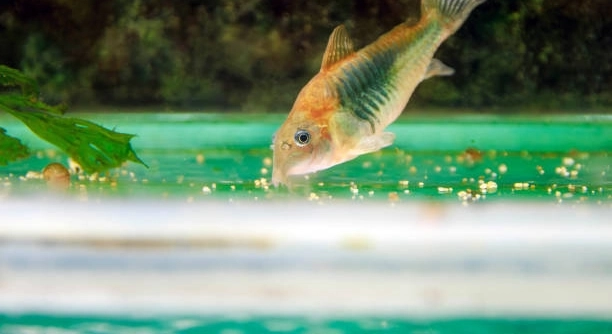
Corydoras catfish are known for their playful nature, but when they hide in the corner of the tank, it may be a sign of discomfort or stress. Understanding their behavior is key to resolving the issue.
Corydoras catfish hiding in the corner may indicate stress, poor water quality, or discomfort from tank mates. Factors like lighting, temperature, and tank environment can contribute to this behavior, leading to your fish seeking refuge.
Identifying the cause behind their hiding will allow you to create a healthier and more comfortable environment for your fish. Keep reading to learn more about these potential causes and how to address them.
Poor Water Quality
Corydoras catfish are sensitive to water conditions. Dirty or unbalanced water can cause them to hide in the corners of the tank. If the water parameters like ammonia, nitrite, and nitrate levels are not in the proper range, your fish may feel unsafe. This can result in them seeking out quiet, sheltered spots. Regular water changes and testing for proper water parameters are essential for keeping your tank in good shape. Poor filtration can also lead to an accumulation of waste, which may cause the catfish to avoid swimming freely. Keeping your water clean is one of the most important steps in supporting the health of your fish.
The water temperature can also play a role. Corydoras prefer a range between 72°F and 78°F (22°C and 26°C). Anything outside this range can cause them stress and make them retreat. This is why it’s crucial to monitor both water quality and temperature regularly.
The tank’s filtration system should be checked to ensure it’s properly maintaining clean water. High-quality filters will help reduce waste buildup and promote a healthier tank environment, preventing stress in your fish.
Stress from Tank Mates
Aggressive tank mates can stress out your Corydoras catfish, leading them to hide. If your catfish are constantly chased or bullied by other fish, they will seek hiding spots to escape. Corydoras are peaceful and prefer a calm environment. Adding too many aggressive fish to the tank can disturb the peace and cause stress. Keeping a balanced mix of tank mates will help your catfish feel secure and less likely to retreat.
Tank mates like larger or more active fish may be intimidating to the smaller, shyer Corydoras catfish. To prevent stress, consider adding tank mates with similar temperament and size. For example, peaceful species like neon tetras or guppies would be better suited for a Corydoras tank. Always research the behavior of the fish before adding them to the aquarium to ensure compatibility.
Ensuring a peaceful environment is important to help your Corydoras catfish feel comfortable and secure in the tank. Monitoring their interactions with other fish and adjusting tank mates when necessary will help maintain a stress-free habitat.
Illness or Injury
Sometimes, Corydoras catfish hide because they are unwell. Illnesses like skin parasites, bacterial infections, or injuries can cause them to retreat to a secluded area. If you notice your catfish is hiding, look for any visible signs of illness, like lesions or ragged fins. This behavior often indicates that the fish is stressed and trying to recover. A weakened immune system makes them more vulnerable to hiding away from other fish.
If illness is suspected, separate the affected fish to prevent the spread of disease. Check the tank for other signs of infection and act quickly. Quarantine the fish and treat it with medications suited to the illness. Corydoras catfish may also hide if they’ve sustained an injury, such as a bite from another fish. It’s crucial to evaluate the tank carefully to identify any potential threats that could harm your catfish. Stress from injuries or illness can make them feel unsafe, prompting them to seek shelter.
Make sure your tank is equipped with hiding spots like caves or plants to give your catfish options when they feel vulnerable. This can help alleviate stress while you tend to their recovery.
Overcrowding
When there are too many fish in a tank, the Corydoras catfish may retreat into the corners. Overcrowding can lead to a lack of space and increased competition for resources. Corydoras need enough room to move around comfortably. If your tank feels cramped, your fish might avoid swimming freely. This leads to hiding, especially when there’s constant competition for food or space. Overcrowding can also make it harder for the catfish to find food, leading them to stay in one area.
To prevent overcrowding, ensure the tank size is appropriate for the number of fish you keep. Corydoras catfish require at least 10 gallons of water for a small group. If your tank is overpopulated, consider transferring some fish to another tank. Overcrowding not only stresses your Corydoras but can also lead to poor water quality, which we already know is harmful to their health. If you’re planning to expand your tank, make sure it’s large enough to accommodate all your fish comfortably.
Maintaining a balanced and spacious tank will improve the quality of life for your Corydoras catfish. Ensure they have enough swimming room to reduce stress and allow them to explore without feeling confined.
Water Chemistry Imbalance
Corydoras are particularly sensitive to changes in water chemistry, including fluctuations in pH, hardness, and mineral levels. If the water is too acidic or too alkaline, the fish may feel uncomfortable, prompting them to hide. Changes in water chemistry can occur due to overfeeding, poor filtration, or the introduction of new substances. Corydoras thrive in stable water conditions, with a pH between 6.0 and 7.5. Any drastic changes can lead to distress, resulting in them hiding in the corner of the tank.
Regularly test the water to ensure the parameters remain stable. Ammonia, nitrite, and nitrate levels should always be monitored closely, as spikes in these substances can cause your catfish to retreat. Be mindful of sudden changes, as Corydoras can be particularly sensitive to water chemistry fluctuations. It’s also essential to perform routine water changes to keep the environment stable. Using a reliable water testing kit will help you identify any imbalances quickly before they affect your fish.
If you notice your catfish hiding, take the time to check the water conditions and adjust as needed. Stable water chemistry is vital for maintaining the health and well-being of your Corydoras catfish, ensuring they don’t feel the need to hide out of discomfort.
Poor Tank Setup
If your tank setup isn’t suitable, Corydoras catfish may feel insecure and hide. Corydoras prefer a tank with soft, smooth substrate, as they like to forage on the bottom. Sharp gravel can damage their sensitive barbels, causing them to retreat. Inadequate hiding spots can also increase stress.
Ensure the tank has proper decorations, like plants, caves, or rocks, that give your Corydoras a place to hide and feel safe. A proper setup mimics their natural environment and allows them to display more natural behavior. A lack of these features can contribute to your fish seeking out the corner of the tank.
Lighting Conditions
Corydoras are naturally nocturnal creatures and prefer dim lighting. Bright tank lights can stress them out, causing them to hide. If you notice your catfish staying in the corner, the lighting may be too harsh for them. To fix this, reduce the intensity of your tank lights or provide shaded areas where they can retreat.
Try using a dimmer or a more subdued lighting system, and observe if your fish’s behavior changes. Providing areas with natural light, such as near tank plants, can also help. Ensure your Corydoras have the option to retreat to darker areas if they prefer.
Feeding Routine
Irregular or infrequent feeding can cause Corydoras to hide. These fish are bottom feeders, and if food is scarce or hard to find, they may avoid coming out. Establishing a consistent feeding schedule can help your catfish feel secure, knowing there will be food available.
Feed your Corydoras at the same time each day, ensuring they have enough to eat. Keep an eye on food distribution, as larger or more dominant fish may take all the food, leaving the Corydoras hungry.
FAQ
Why is my Corydoras catfish hiding all the time?
Corydoras catfish are generally social creatures, but they may hide due to stress, poor water quality, illness, or unfavorable tank conditions. If your fish is hiding frequently, it may be trying to escape something uncomfortable, like aggressive tank mates, changes in water chemistry, or a lack of hiding spaces. Check the water quality, temperature, and tank setup to ensure everything is optimal for your fish. Providing hiding spots like caves or plants can also help reduce stress. If the behavior persists, consider isolating the fish to check for illness or injury.
How can I make my Corydoras catfish feel more comfortable?
To make your Corydoras feel more comfortable, start by improving their environment. Ensure the water quality is clean and stable, with regular water changes to prevent toxic buildups. Add soft, smooth substrate to prevent injury, and include plenty of hiding spots in the tank for them to retreat to. Also, try lowering the lighting intensity since Corydoras are naturally nocturnal and prefer dimmer environments. By making these adjustments, your catfish will likely feel more secure and stop hiding as much.
What is the best water temperature for Corydoras catfish?
Corydoras catfish thrive in temperatures between 72°F and 78°F (22°C to 26°C). If the temperature in your tank falls outside this range, your fish may become stressed or uncomfortable. Consistent temperatures are essential for their well-being, so it’s best to use a reliable aquarium heater and thermometer. Avoid sudden fluctuations in temperature, as this can also cause stress and potentially make your fish more prone to illness.
Can Corydoras catfish live with other fish?
Yes, Corydoras catfish are peaceful and social, making them suitable for community tanks. They generally get along well with small, non-aggressive fish like tetras, guppies, and rasboras. However, avoid keeping them with larger or aggressive species that may harass them. It’s also important to ensure that the other fish don’t compete for the same bottom space or food. Tank mates that share similar temperaments and water requirements will create a harmonious environment for all.
How often should I feed my Corydoras catfish?
Corydoras are bottom feeders, so they will benefit from being fed once or twice a day. Offer them sinking pellets, wafers, or live/frozen foods like bloodworms or brine shrimp. Make sure to feed them only as much as they can consume in a few minutes to avoid overfeeding and water quality issues. Corydoras are slow eaters, so ensure the other fish aren’t taking all the food before your catfish can get to it. It’s also helpful to vary their diet to ensure they get the necessary nutrients.
Why is my Corydoras catfish hiding during the day?
Corydoras are nocturnal by nature, meaning they are more active during the night and tend to rest during the day. If your catfish is hiding during daylight hours, it’s likely just following its natural behavior. However, if it hides constantly, even during the night, it could be a sign of stress, illness, or poor water conditions. Check the tank’s water parameters and make sure the setup is to their liking. Consider reducing the lighting intensity and providing more hiding spots.
How do I prevent my Corydoras catfish from getting stressed?
To prevent stress in your Corydoras, maintain a stable tank environment. Regular water changes and proper filtration are essential for keeping the water clean and balanced. Avoid sudden temperature or water parameter fluctuations, as they can be stressful for your catfish. Ensure your tank has plenty of hiding spots, and avoid keeping aggressive tank mates. A peaceful and quiet environment will allow your Corydoras to feel secure and reduce the likelihood of them retreating to a corner of the tank.
Do Corydoras catfish need a lot of space?
While Corydoras catfish are small, they do need enough space to swim and forage. A tank of at least 10 gallons is ideal for a small group of Corydoras. Overcrowding can lead to stress and competition for resources. If your tank is too small, your Corydoras may become territorial and hide to avoid conflict. Ensure that the tank has enough space for all your fish and that the filtration system is adequate for the tank size to maintain good water quality.
Can Corydoras catfish get along with shrimp?
Yes, Corydoras catfish can generally live peacefully with shrimp, as long as the shrimp are not too small or fragile. Species like cherry shrimp or Amano shrimp can coexist with Corydoras, as both are peaceful bottom dwellers. However, make sure the shrimp are large enough to avoid being accidentally disturbed or eaten by the catfish. Also, provide enough hiding spots for both species to thrive in the same tank without stress.
What are the signs that my Corydoras catfish is sick?
Signs of illness in Corydoras catfish include faded color, difficulty swimming, damaged fins or skin, abnormal behavior (like hiding more than usual), or visible external parasites such as white spots. If you notice any of these symptoms, isolate the affected fish and observe its behavior closely. It’s important to act quickly to treat any illness by improving water quality, quarantining sick fish, and using appropriate medications. Regular tank maintenance and a varied diet help prevent many common illnesses in Corydoras.
Corydoras catfish are generally peaceful and hardy creatures, making them a great addition to many aquarium setups. However, when these fish begin hiding in the corner of the tank, it’s often a sign of stress or an underlying issue. Understanding the causes behind their behavior is essential for providing them with a healthy, comfortable environment. By paying attention to their water quality, tank setup, and social dynamics, you can help reduce stress and encourage natural behaviors. Regular observation will also help you spot any potential problems early and take action before they worsen.
Providing Corydoras with a proper tank setup is one of the most effective ways to keep them happy and active. They need a soft, smooth substrate to avoid injury to their barbels and plenty of hiding spots to feel secure. Ensuring that your tank is free from sharp decorations or abrasive surfaces is essential. It’s also important to maintain stable water parameters and ensure that the water temperature falls within their preferred range. Since Corydoras are sensitive to water conditions, keeping the tank clean with regular water changes and monitoring for pollutants is vital.
Lastly, Corydoras are social fish, and they thrive in the company of their own kind. Having a small group of Corydoras can help them feel more confident and reduce stress. Ensure that they are not housed with overly aggressive tank mates, as this can lead to them hiding more frequently. By meeting their environmental needs and providing a stress-free atmosphere, you’ll encourage your Corydoras catfish to become more active and display their natural behavior. With the right care, your catfish will thrive, and you can enjoy their peaceful presence in your aquarium for years to come.

Hello,
If you enjoy the content that we create, please consider saying a "Thank You!" by leaving a tip.
Every little bit helps us continue crafting quality advice that supports the health, happiness, and well-being of pets around the world, for pets of all shapes, sizes, and species.
We really appreciate the kindness and support that you show us!