
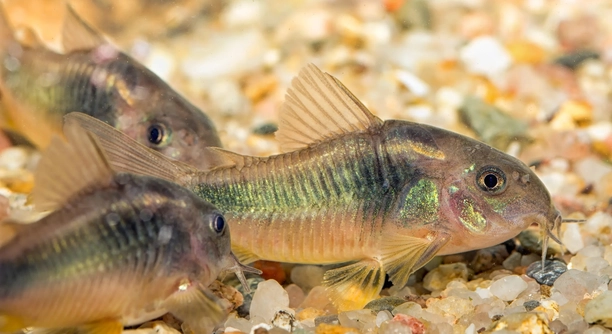
Corydoras catfish are popular aquarium fish known for their peaceful nature. However, stress can affect their well-being, leading to various health issues. Understanding the signs of stress is crucial for keeping them healthy and happy in your tank.
Stress in Corydoras catfish can manifest in several ways, such as erratic swimming, loss of appetite, or excessive hiding. These behaviors can be caused by poor water quality, tank mates, or environmental changes. Identifying the symptoms early is essential for effective care.
Recognizing stress in your Corydoras catfish is key to maintaining a healthy aquarium environment. Understanding these signs can help you address issues before they escalate.
Common Causes of Stress in Corydoras Catfish
Corydoras catfish are sensitive to their environment, and several factors can cause them stress. Poor water quality is one of the main stressors. Ammonia, nitrites, or high levels of nitrates can make them uncomfortable. Low oxygen levels and high water temperatures also contribute to stress. A sudden change in water conditions or improper filtration can lead to poor health. Tank mates that are too aggressive or overly active can also cause distress, especially for peaceful species like Corydoras. The size of the tank is another factor; a cramped space limits their ability to explore and hide when needed. Regular water changes and proper filtration help keep the environment stable, which is crucial for your catfish’s health.
Stress can also result from overcrowding. Corydoras need space to swim freely, and too many fish in the tank can make them feel confined. It’s important to keep the right balance of fish in the aquarium. Stress often leads to visible signs of poor health.
Maintaining a stable environment is the key to preventing stress in your catfish. Addressing these factors quickly can help ensure their long-term well-being. Proper tank setup and good water management are essential in keeping your Corydoras happy and stress-free.
How to Recognize Stress Symptoms
Signs of stress in Corydoras catfish can be subtle but noticeable with careful observation. If you see unusual behavior like erratic swimming or hiding more often than usual, it could be a sign of stress. Other indicators include a loss of appetite, labored breathing, or pale skin. These symptoms are typically a response to poor water quality or aggressive tank mates. It’s crucial to monitor your catfish regularly to catch these signs early. Stress-related issues can be resolved if you identify them promptly.
Watching for changes in behavior, such as excessive hiding or inactivity, can also indicate stress. Additionally, if your catfish appears lethargic or less active, this may signal they are experiencing discomfort or health problems due to stress. Keeping track of these symptoms can help you act before the situation worsens.
By understanding the signs of stress, you can take quick action to improve your Corydoras’ living conditions. Regular checks on water quality, tank mates, and overall environment can prevent issues from escalating.
Poor Water Quality
Poor water quality is one of the leading causes of stress in Corydoras catfish. Ammonia, nitrites, and high nitrate levels can quickly affect their health. If you notice your fish becoming more sluggish or swimming erratically, it’s time to test your water. Regular water changes and proper filtration help keep these stressors under control.
Keeping your aquarium’s water parameters within the ideal range is essential. Corydoras require clean, well-oxygenated water, with a pH level between 6.0 and 7.5. Any deviation from this can lead to stress. Make sure to test your water regularly, especially if you notice signs of distress. Proper filtration and frequent water changes are critical in preventing poor water quality.
If the water quality remains poor, Corydoras will struggle to thrive. Their stress levels will rise, making them more susceptible to disease. Adjusting the water conditions can reduce their stress and improve their overall health. It’s crucial to be proactive with water maintenance.
Aggressive Tank Mates
Aggressive tank mates can cause Corydoras catfish significant stress. While Corydoras are peaceful and social, they are vulnerable to the behavior of other fish in the tank. Larger or more dominant fish may nip at their fins or chase them, leading to anxiety. If you observe constant hiding or fast swimming away from other fish, the tank mates may be the problem.
Some fish are naturally more aggressive and can be too much for a peaceful species like Corydoras. When setting up a tank, it’s important to choose compatible species that won’t stress each other. Avoid keeping Corydoras with overly territorial or fast-moving fish. The constant stress can weaken their immune systems, making them more prone to illness.
If you’re unsure about compatibility, research the specific needs and temperaments of potential tank mates. Creating a peaceful environment for your Corydoras will promote better health and reduce stress. Keeping them with non-aggressive fish ensures they can swim and explore freely without fear.
Overcrowding
Overcrowding can lead to stress for Corydoras catfish. A cramped tank limits their space to swim and hide, causing anxiety. Corydoras prefer swimming in groups, but too many fish in a small space can lead to aggressive interactions and stress. Keep the number of fish balanced with tank size.
The size of the aquarium determines how many fish it can comfortably house. For Corydoras, a tank of at least 20 gallons is recommended, with about six to eight fish in that space. This allows them to move freely and reduces stress. Too many fish can also increase waste levels, further polluting the water.
To prevent overcrowding, plan carefully when stocking your tank. Keep track of fish growth and adjust as needed. Less is often more when it comes to maintaining a stress-free, healthy environment for your Corydoras.
Temperature Fluctuations
Corydoras catfish thrive in stable temperatures between 72°F and 78°F. Fluctuations outside of this range can cause stress. Rapid temperature changes can overwhelm their systems, leading to sluggish behavior or even illness. Maintaining a consistent temperature is essential for their well-being.
Using a reliable aquarium heater helps regulate the water temperature, ensuring it stays within the ideal range. Check the temperature regularly with a thermometer to avoid sudden shifts. This small adjustment can significantly reduce stress and help your Corydoras feel more comfortable in their environment. Stability is key to keeping them healthy.
Lack of Hiding Spots
Corydoras feel more secure with adequate hiding spots in their tank. Without a place to retreat, they can become stressed. Adding caves, plants, or decorations allows them to find a safe space when they need to rest. This makes them feel more at ease.
FAQ
What are the common symptoms of stress in Corydoras catfish?
Corydoras catfish show various signs when stressed. Some common symptoms include erratic swimming, excessive hiding, loss of appetite, or pale skin. You may notice them breathing heavily or hovering near the surface. If these behaviors are observed, it’s a good indicator that something is causing stress. Early detection allows for quick intervention and improvement of their conditions.
How can I reduce stress for my Corydoras catfish?
To reduce stress, focus on maintaining a stable, clean environment. Ensure the water quality is optimal by regularly testing the pH, ammonia, and nitrate levels. Perform frequent water changes and use an efficient filtration system. Also, avoid overcrowding the tank and choose peaceful tank mates. Adding hiding spots like caves or plants gives them a retreat to feel safe. Maintaining a consistent temperature between 72°F and 78°F is also vital for their comfort.
Can Corydoras catfish live with other fish?
Corydoras are peaceful and generally get along with other non-aggressive fish. They are bottom dwellers, so tank mates that occupy the upper levels won’t compete for space. Avoid aggressive or fast-moving species that might stress them out. Good companions include small tetras, guppies, and mollies. However, always observe interactions to ensure everyone is comfortable.
How often should I change the water in my Corydoras tank?
Water changes should be done regularly to keep the environment healthy for your Corydoras. A 20-25% water change every week is ideal for a tank with minimal fish. If the tank is heavily stocked, consider changing up to 50% of the water weekly. Always check water parameters before making changes to ensure consistency.
What temperature should the water be for Corydoras catfish?
Corydoras thrive in water temperatures ranging from 72°F to 78°F. Fluctuations outside this range can cause stress and weaken their immune system. Using a reliable heater can help maintain a consistent temperature. Sudden drops in temperature or heat spikes can cause health issues, so try to keep it stable.
Are Corydoras catfish sensitive to water pH?
Yes, Corydoras are sensitive to water pH, and it should ideally be between 6.0 and 7.5. Extreme pH levels can cause stress and affect their ability to process oxygen. If the pH in your tank is unstable or too high/low, you should address the issue quickly. Regular testing can help maintain the balance.
Can I keep Corydoras catfish in a small tank?
Corydoras need space to thrive. While they are small fish, they still require a tank of at least 20 gallons for a small group of them. A cramped environment can cause stress due to limited swimming space and increased waste accumulation. Larger tanks with adequate filtration are better suited for maintaining a stable environment.
Why is my Corydoras catfish hiding all the time?
Hiding is a common behavior when Corydoras are stressed or feel unsafe. If your catfish is constantly hiding, it may be due to aggressive tank mates, poor water quality, or temperature fluctuations. Adding hiding spots like caves or plants can help them feel more secure and reduce this behavior. Monitor water conditions and make sure they are in an environment that promotes relaxation.
How can I tell if my Corydoras catfish is sick?
If your Corydoras shows unusual behavior, such as lethargy, pale gills, or visible sores, it may be sick. Other signs include difficulty swimming or clamped fins. Stress-related illnesses like skin infections or parasites can affect their health. A thorough check of water parameters is essential when diagnosing health issues.
Can Corydoras catfish tolerate salt in the water?
Corydoras catfish are not saltwater fish and do not tolerate salt well. Using salt in freshwater aquariums can cause harm to them. If your tank requires salt for another species or condition, be cautious. Always remove the salt before introducing Corydoras, as they are sensitive to such changes.
How many Corydoras catfish should I keep together?
Corydoras are social fish that prefer to live in groups. It’s recommended to keep at least 6-8 Corydoras together in a tank. This helps reduce stress and provides social interaction, which is vital for their well-being. A small group allows them to engage in their natural behaviors, such as schooling and foraging together.
What should I feed my Corydoras catfish?
Corydoras are omnivores, so they require a balanced diet. They enjoy sinking pellets, algae wafers, and a variety of live or frozen foods like brine shrimp and bloodworms. Occasionally, they will graze on plants and detritus in the tank. Ensure that food is appropriate for their bottom-dwelling nature, allowing them to forage naturally.
Is it normal for Corydoras to be active at night?
Corydoras are nocturnal creatures, so it’s normal for them to be more active at night. They spend a lot of time foraging along the bottom of the tank, which is why you may not see them as much during the day. A dim light at night can encourage natural behavior and make it easier to observe them.
How do I know if my Corydoras catfish is stressed from water quality?
Stress from poor water quality is often visible through changes in behavior or physical appearance. Corydoras will begin to swim erratically or struggle to breathe. You may notice their gills flaring more than usual, or their colors may fade. If this happens, check the water parameters and make necessary adjustments.
Why are my Corydoras not eating?
If your Corydoras are not eating, stress could be a reason. Poor water quality, aggressive tank mates, or inadequate temperature can make them lose their appetite. Ensure the environment is comfortable and check their food to ensure it is suitable for them. Try offering a variety of foods to encourage eating.
Can Corydoras live with shrimp?
Corydoras catfish can generally live peacefully with shrimp, as both species are bottom dwellers. However, some species of shrimp may get stressed by the Corydoras’ movements. Always choose smaller, non-aggressive shrimp, like cherry shrimp, and monitor their interaction to ensure they both coexist without issues.
Final Thoughts
Corydoras catfish are peaceful and hardy fish, making them a great addition to many aquariums. However, like all fish, they can suffer from stress due to various factors such as water quality, temperature changes, and overcrowding. Being mindful of their environment is key to ensuring they live healthy, happy lives. The signs of stress are relatively easy to spot, and addressing them early can prevent long-term health issues. Maintaining a stable, clean, and calm environment is essential for these fish to thrive.
Regular water changes, monitoring temperature, and providing ample space are crucial aspects of keeping Corydoras healthy. These fish are sensitive to fluctuations, whether it’s a change in water parameters or an overly crowded tank. They need a space that mimics their natural environment, with hiding spots, plants, and proper filtration to reduce stress. By providing a peaceful habitat and keeping their tank in good condition, you can avoid most stress-related issues. It’s also important to regularly check their health and behavior for early signs of stress, such as loss of appetite or erratic swimming.
In addition to the tank environment, consider the tank mates of your Corydoras. Peaceful species that do not pose a threat or overcrowd the tank will help keep them calm. Corydoras catfish are social creatures and do well in groups, but it’s essential not to overstock the aquarium. Careful planning and regular maintenance go a long way in keeping these fish content and reducing stress. With the right care, your Corydoras will not only survive but thrive, bringing beauty and life to your tank for years to come.

Hello,
If you enjoy the content that we create, please consider saying a "Thank You!" by leaving a tip.
Every little bit helps us continue crafting quality advice that supports the health, happiness, and well-being of pets around the world, for pets of all shapes, sizes, and species.
We really appreciate the kindness and support that you show us!