
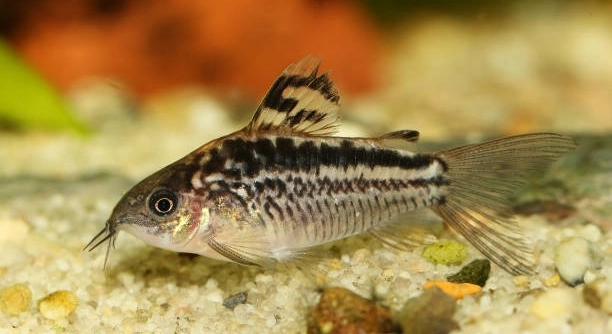
Maintaining a healthy aquarium is essential for the well-being of your Corydoras catfish. However, after a water change, it can be tricky to know if your fish is feeling unwell. Being aware of key symptoms can make all the difference.
To determine if your Corydoras catfish is sick after a water change, closely observe its behavior, appearance, and overall activity. Symptoms like erratic swimming, loss of appetite, or abnormal gill movement may indicate stress or illness.
Recognizing these early signs can help you take quick action. By understanding what to look for, you’ll be better equipped to keep your Corydoras healthy and thriving in your tank.
Understanding the Effects of Water Changes on Corydoras Catfish
After a water change, your Corydoras catfish may feel stressed, which can sometimes lead to sickness. The change in water chemistry, including the pH, temperature, and ammonia levels, might affect their health. Corydoras are sensitive fish, and sudden shifts in these factors can cause them to become stressed or even fall ill. This is particularly true if the new water is not properly treated or if there are changes that are too abrupt. When this happens, symptoms of illness may appear soon after the water change.
Even a slight change in the water conditions can stress your fish. It’s essential to monitor the water parameters closely before and after a water change. Consider using a water conditioner to neutralize harmful chemicals like chlorine or chloramine, which could harm your fish. This ensures that the water is safe and comfortable for them.
Also, the temperature should be consistent. A sudden drop or rise can shock your fish, especially since Corydoras prefer stable conditions. A thermometer in your tank can help track changes in water temperature, allowing you to adjust as needed and keep your fish comfortable.
Common Symptoms to Look Out For After a Water Change
Some clear symptoms can tell you if your Corydoras is stressed after a water change.
Watch for abnormal behavior like hiding more than usual or struggling to swim. These signs indicate discomfort or stress, and prompt action can help prevent more serious health issues. Keep an eye on the catfish’s gills, fins, and appetite.
If your Corydoras catfish is showing symptoms after a water change, it’s time to assess the situation. Any visible physical changes, such as clamped fins or discoloration, could mean something is wrong with the water conditions or the fish itself. A fish that seems lethargic or is swimming erratically may be stressed or ill. Similarly, if the catfish refuses to eat, it could be a sign that the water change has affected its health. Stress can make your fish more vulnerable to diseases, so acting quickly is important.
Maintaining proper water conditions, like proper filtration and regular water changes, will reduce the likelihood of illness. Test kits can help you ensure the water is safe, checking for harmful substances like ammonia or nitrites that may harm your fish. Monitoring their behavior closely in the days following a water change can alert you to any signs of distress or sickness. If you notice any troubling symptoms, consider adjusting the water parameters or performing another water change.
7 Common Symptoms of Sick Corydoras Catfish After a Water Change
One of the first signs that your Corydoras catfish might be unwell after a water change is abnormal swimming behavior. This includes swimming erratically or spending too much time near the surface.
If your Corydoras catfish is swimming erratically, it could indicate that the water conditions are not ideal or that it’s stressed from the change. Corydoras are bottom dwellers, so if they’re swimming around aimlessly or struggling to stay at the bottom, it could be a sign they’re uncomfortable. Stressed fish may also move in circles or even dash rapidly from one spot to another. This unusual behavior usually indicates a problem with the water chemistry, such as an ammonia spike or improper temperature.
Another sign to watch for is if your fish seems to stay in one spot, rarely moving. A lack of movement can be a sign of stress or even illness. It’s important to rule out water quality issues, like high ammonia levels or chlorine, as these can contribute to lethargy. Make sure your filter is running properly and that the water parameters are within a safe range.
Loss of Appetite in Corydoras Catfish
After a water change, a Corydoras that refuses to eat can be a clear symptom of stress. Fish will often lose their appetite if they feel their environment has changed drastically.
Loss of appetite is a common indicator that something is wrong with the water conditions or the fish’s health. Corydoras catfish are typically active feeders, so if they’re not eating, it’s essential to check the water’s quality. High levels of chlorine, ammonia, or nitrites can cause fish to lose interest in food. When fish feel stressed, their bodies prioritize survival over eating, which makes it important to address the cause of the stress right away.
To help the fish regain its appetite, first ensure the water is safe. Perform a water test to check for toxins and adjust as needed. You can also try offering different types of food to see if it sparks their interest. However, if the loss of appetite persists, further action may be necessary. The water temperature should also be consistent and within the ideal range for your Corydoras.
Clamped Fins as a Sign of Stress
Clamped fins are another sign your Corydoras may be stressed after a water change. When fish feel threatened or uncomfortable, they may hold their fins close to their bodies.
Clamped fins can indicate that your Corydoras is not feeling well or that the water conditions are unsuitable. Fish typically spread their fins when they’re comfortable, so if they’re stuck against the body, it’s worth checking the water for stress factors. This behavior often suggests that your fish is feeling unwell or overwhelmed.
Abnormal Gills or Breathing Patterns
Changes in the way your Corydoras is breathing can signal a problem with water quality. Rapid gill movement, gasping at the surface, or heavy breathing could mean oxygen levels are low.
If your fish is breathing rapidly or seems to be struggling for air after a water change, it could be due to poor water oxygenation or high levels of toxins like ammonia. Check the filtration system and ensure there’s enough water circulation to provide oxygen. High temperatures and low oxygen levels can make breathing difficult for fish. If the problem persists, you may need to perform another water change or adjust the filter to improve aeration.
Pale or Discolored Skin
Paleness or unusual discoloration in your Corydoras is another warning sign. This may indicate stress, infection, or a reaction to poor water quality.
Fish typically have vibrant colors, so any loss of color is a red flag. Discoloration could mean your Corydoras is reacting to an imbalance in the water, possibly from chlorine or improper pH levels. Ensure the water parameters are correct by testing the pH, ammonia, and nitrate levels. If the water conditions are fine, then the issue might be a stress response, which can lead to further health problems if not addressed quickly.
FAQ
How can I prevent my Corydoras catfish from getting sick after a water change?
To prevent illness after a water change, it’s crucial to make gradual adjustments to the tank’s water parameters. Always ensure the new water is at the same temperature as the tank’s water before adding it to the aquarium. This helps prevent thermal shock, which can stress your fish. Additionally, treat tap water with a water conditioner to remove harmful chemicals like chlorine or chloramine. Test the water for ammonia, nitrites, and nitrates regularly to ensure the water is safe. Finally, avoid overfilling the tank, and make sure your filtration system is functioning properly.
What should I do if I notice my Corydoras catfish is not eating after a water change?
If your Corydoras isn’t eating after a water change, check the water quality first. Ensure the temperature and pH are within the optimal range. You may need to test for ammonia, nitrites, and nitrates, as high levels of these substances can cause stress and loss of appetite. If the water conditions are fine, try offering different food options, like sinking pellets or live food, to entice your fish. If the problem persists, it may be worth consulting a veterinarian to rule out any underlying health issues.
How often should I change the water in my Corydoras catfish tank?
It’s generally recommended to change 25-30% of the water in your tank every 1-2 weeks. However, if you have a heavily stocked tank or if the water parameters are fluctuating, you may need to change the water more frequently. Frequent, small water changes are better for your Corydoras than infrequent, large changes. Always ensure that the new water is conditioned and matched to the temperature of the tank to prevent stress.
Can Corydoras catfish survive in cold water?
Corydoras catfish are tropical fish, meaning they prefer warmer water temperatures between 72°F and 78°F (22°C to 26°C). They can tolerate cooler temperatures for short periods but can become stressed if the temperature drops below 70°F (21°C). Prolonged exposure to cold water can lead to health problems, such as slower metabolism and a weakened immune system. To maintain a healthy environment for your Corydoras, use a reliable heater to keep the water temperature stable.
What are some signs that my Corydoras catfish might be stressed?
Stressed Corydoras may show signs such as rapid swimming, hiding more than usual, clamped fins, or erratic swimming patterns. They might also refuse food or become lethargic. Stress can be caused by sudden changes in water parameters, poor water quality, or tank overcrowding. It’s important to observe their behavior closely and adjust the water conditions if necessary.
Is it okay to use tap water for my Corydoras tank?
Tap water can be used, but it’s important to treat it first. Most tap water contains chlorine or chloramine, which can be harmful to your fish. Using a water conditioner will neutralize these chemicals and make the water safe for your Corydoras. You should also test the pH, hardness, and other parameters to ensure the water is suitable for your fish. If your tap water is too hard or has high levels of certain chemicals, you may need to use a different source of water.
Why is my Corydoras catfish staying at the surface after a water change?
If your Corydoras catfish is staying at the surface after a water change, it could be a sign of low oxygen levels or poor water quality. Oxygen depletion can occur if the tank is overcrowded, the filtration is inadequate, or the water temperature is too high. Check the water parameters and ensure that the filter is working properly. Adding an air stone or improving water circulation can also help raise oxygen levels.
Can Corydoras catfish tolerate high levels of ammonia?
Corydoras catfish, like most fish, are highly sensitive to ammonia. Even small amounts of ammonia in the water can lead to stress, illness, or death. It’s essential to maintain proper filtration to remove ammonia from the water. If you suspect ammonia poisoning, perform a water change immediately and test the water to ensure that levels are safe. Regular water testing and maintenance of your tank’s filtration system are key to preventing ammonia buildup.
What’s the best food for Corydoras catfish after a water change?
After a water change, it’s important to offer your Corydoras easy-to-digest food. Sinking pellets or wafers are great options, as they allow the fish to forage at the bottom of the tank where they feel most comfortable. You can also offer live or frozen foods like bloodworms, brine shrimp, or daphnia to encourage feeding. Make sure the food is fresh and not overfeeding, as uneaten food can pollute the water. Always observe your fish to see if they’re eating, and remove any uneaten food after a few hours.
How do I know if the water change has caused stress to my Corydoras?
Signs of stress after a water change can include changes in swimming patterns, hiding more than usual, or abnormal breathing. If your Corydoras starts swimming erratically, breathing heavily, or refuses to eat, it’s likely that the water conditions have caused stress. Test the water for chlorine, ammonia, nitrites, and temperature fluctuations, as these are common stress factors. A sudden change in water conditions is often the culprit, so try to make gradual adjustments in the future.
Can Corydoras catfish get sick from dirty water?
Yes, Corydoras catfish can become sick from dirty water. Poor water quality can lead to various issues, including infections, parasites, and stress. High levels of ammonia, nitrites, or nitrates can cause gill damage and affect the overall health of your fish. Regular water changes, proper filtration, and monitoring water quality are essential for keeping your Corydoras healthy. If the water is visibly dirty, it’s crucial to address the problem immediately to prevent any harm to your fish.
Final Thoughts
Taking care of your Corydoras catfish involves understanding how water changes can affect their health. While these fish are generally hardy, they are sensitive to shifts in water quality, temperature, and oxygen levels. A sudden or poorly managed water change can lead to stress or illness, so it’s essential to maintain stable conditions in the tank. Always ensure the water you add is treated and matches the temperature of the tank to prevent thermal shock. Regular monitoring of water parameters, such as pH, ammonia, and nitrate levels, is crucial for keeping your fish safe and healthy.
If you notice any signs of illness after a water change, it’s important to act quickly. Symptoms like loss of appetite, clamped fins, or abnormal swimming behavior can indicate that something is wrong with the water conditions or the fish itself. In many cases, addressing water quality issues, such as ammonia spikes or changes in temperature, can help resolve these problems. Don’t hesitate to perform another water change if you suspect the water is causing stress. In some cases, additional treatment may be necessary if the fish is showing signs of infection or disease.
Maintaining the health of your Corydoras catfish is an ongoing process that requires attention to detail. Regular water changes, proper tank maintenance, and careful observation of your fish’s behavior will help you spot problems early and keep your aquarium environment stable. By taking these steps, you’ll ensure that your Corydoras thrive in a healthy, stress-free environment, allowing them to live long and happy lives in your tank.

Hello,
If you enjoy the content that we create, please consider saying a "Thank You!" by leaving a tip.
Every little bit helps us continue crafting quality advice that supports the health, happiness, and well-being of pets around the world, for pets of all shapes, sizes, and species.
We really appreciate the kindness and support that you show us!