
Do you ever find yourself searching for an easygoing fish that fits well into a small aquarium setup without much trouble?
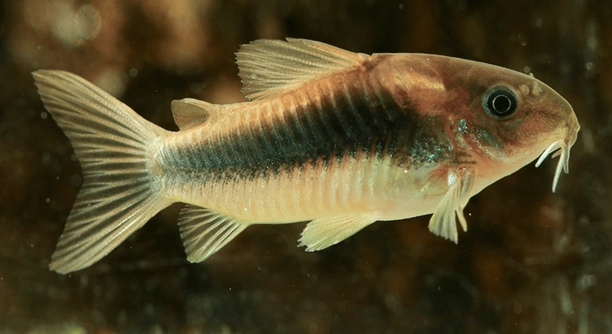
Corydoras catfish are ideal for beginners with small tanks because of their peaceful nature, low maintenance needs, and ability to thrive in groups. Their gentle behavior and adaptability make them a perfect choice for new aquarists.
Whether you’re setting up your first aquarium or looking to add a reliable species, these catfish can make the experience enjoyable and stress-free.
They Are Peaceful and Easy to Handle
Corydoras catfish are calm fish that get along well with others. They do not chase or nip at tank mates and prefer to stay at the bottom, minding their own space. This makes them perfect for community tanks, especially when other peaceful fish are present. Since they are social within their group, keeping at least three to six Corydoras can help reduce stress. They do not need much attention, and their behavior is simple to understand. Watching them sift through the substrate with their little whiskers can be relaxing and fun to observe after a long day.
Their calm behavior also means fewer problems when introducing them to a new tank.
If you’re new to fishkeeping and don’t want to deal with aggression or complex tank setups, Corydoras offer a smooth experience. You won’t have to worry about constant chasing or fish injuries, and that’s one less thing to stress over.
They Do Well in Small Tanks
Corydoras don’t need a large tank, making them great for people with limited space.
A 10 to 20-gallon tank is often enough for a small group, as long as the space isn’t overcrowded with other fish. They prefer open areas for swimming along the bottom, with soft substrate and some hiding spots like plants or small caves. Their small size, usually around two to three inches, helps them move comfortably even in modest aquariums. Just keep in mind that good water quality is still important. Regular cleaning and a working filter will help them stay healthy. Their minimal waste production makes maintenance easier too. Compared to other fish that need constant attention or a bigger tank, Corydoras are low-pressure. You can enjoy the aquarium without needing to upgrade your equipment or worry about complex care routines. With the right setup and a little attention to tank conditions, they thrive without problems.
They Help Keep the Tank Clean
Corydoras catfish naturally search the tank floor for leftover food. This behavior helps reduce waste buildup and keeps the substrate tidier without extra effort on your part.
They don’t replace regular cleaning, but they do a good job of picking up bits of food that other fish ignore. You’ll often see them nosing around the bottom after feeding time, scooping up small crumbs. This helps prevent uneaten food from rotting, which can mess with water quality. They’re not algae eaters, so you’ll still need help with that, but for clearing debris, they’re great. Their small size allows them to get into tight spots where food can settle. Even with a small group of them, you’ll notice a difference. Just be sure not to overfeed, or the extra food will become too much even for them to handle.
Their scavenging habits help keep things under control between cleanings. It’s a little boost to your routine.
They Have Low Care Requirements
Corydoras are hardy fish that can handle slight changes in water conditions, making them more forgiving for beginners still learning the basics.
They prefer clean, well-filtered water and soft substrate to protect their bellies and barbels. Sand or smooth gravel works best. A gentle current is fine, and they enjoy having hiding spots. Temperatures between 72–78°F are ideal, and they don’t need special lighting or complex diets. Standard tropical fish food like sinking pellets, occasional frozen treats, and flakes will keep them healthy. Since they’re social, it’s better to keep them in small groups, which also makes them more active and confident. They don’t require much space, don’t dig up plants, and won’t rearrange the tank like some larger bottom-dwellers. Their simple needs make them a good match for anyone looking to ease into fishkeeping without too many surprises or complicated setups.
They Are Fun to Watch
Corydoras move in short bursts and often explore together. Their little group behaviors can be entertaining, especially when they feed or dart to the surface for air.
They also rest in groups, sometimes staying still at the bottom or under plants. Their patterns and calm activity can be relaxing to watch.
They Get Along With Most Peaceful Fish
Corydoras do not cause trouble and rarely show any signs of aggression. Because of this, they mix well with small, peaceful fish like tetras, guppies, rasboras, and mollies. They stick to the bottom, while other fish swim mid to top levels, helping avoid crowding. Since they keep to themselves, they’re rarely seen as a threat by other species. Their ability to blend into various setups without disturbing the balance makes them ideal for community tanks. You still need to avoid pairing them with aggressive or large fish that could mistake them for food. But in general, they fit in without problems.
They Are Easy to Feed
Corydoras are not picky eaters. They will eat sinking pellets, flakes that reach the bottom, and frozen foods like bloodworms.
FAQ
How many Corydoras should I keep together?
Corydoras are social and prefer living in groups. It’s best to keep at least six of the same species together. In small tanks, you might manage with four, but fewer than that can lead to stress or inactive behavior. When kept in a group, they feel safer, move around more, and show natural behaviors like schooling or resting together. If your tank space allows, go for a slightly larger group. Just make sure the tank isn’t overstocked with too many other fish. Balanced numbers will help keep your Corydoras healthy and happy.
What size tank do Corydoras need?
A small group of Corydoras can live comfortably in a 10 to 20-gallon tank. Smaller tanks should only house smaller species, like pygmy Corydoras, and minimal other fish. In a 20-gallon tank, you’ll have more room for swimming, hiding spots, and tankmates. Always consider the footprint of the tank, not just volume. Corydoras like floor space more than height, so a longer tank works better than a tall one. Adding plants and decor is great, but don’t overfill the space—they need room to move. Good filtration and regular maintenance are also key, even in smaller setups.
Can Corydoras live with bettas?
Yes, Corydoras can often live with bettas. They stay at the bottom, while bettas stay near the top or middle, so they don’t compete for space. However, this depends on the betta’s temperament. Some bettas are aggressive toward anything that moves. If your betta is calm and the tank is big enough, the combination usually works. Make sure there are hiding spots in case tension arises. Start with a small number of Corydoras and monitor the tank. If the betta flares or chases constantly, it might not be a good fit. Keep an eye on interactions, especially during the first week.
What do Corydoras eat?
Corydoras eat sinking pellets, algae wafers, and frozen or live foods like bloodworms and brine shrimp. They’ll also eat leftovers that fall to the bottom, but they shouldn’t rely on scraps alone. Make sure they get food that actually reaches them, since top feeders often eat most of it first. Feeding once or twice a day is usually enough. Vary their diet to keep them healthy and active. You can skip a day each week to prevent overfeeding. Uneaten food can rot and harm water quality, so don’t let too much build up on the tank floor.
Do Corydoras need a heater?
Yes, most Corydoras species need a heater. They are tropical fish and do best in water temperatures between 72–78°F (22–26°C). If your home stays consistently warm and within that range, you might not need one, but it’s safer to use a heater for stability. Fluctuating temperatures can cause stress and sickness. A small adjustable heater will keep the tank steady. Use a thermometer to check regularly. If you keep your tank near a window or vent, the temperature might shift more than expected. Consistency is key when it comes to keeping your Corydoras healthy.
Can Corydoras be kept with shrimp?
Corydoras and shrimp can live together, but baby shrimp may get eaten. Adult shrimp, like Amano or larger cherry shrimp, are usually safe. Corydoras aren’t hunters, but they may accidentally snack on very small shrimp while foraging. If you want to keep both, add plenty of hiding places like moss, rocks, and plants. This gives shrimp a place to escape and breed. The more cover they have, the safer the babies will be. Many people successfully keep shrimp and Corydoras together by balancing tank conditions and providing lots of safe spaces for the shrimp population to grow.
Final Thoughts
Corydoras catfish are a solid choice for anyone starting out with a small aquarium. They are peaceful, easy to care for, and they don’t need a large space to be happy. Their small size, calm nature, and ability to live in groups make them a great fit for beginners. As long as their basic needs are met—like clean water, soft substrate, and a balanced diet—they will do well in most home setups. Watching them interact and explore the tank adds a nice touch without requiring constant attention or complex care. Their behavior is easy to follow and not stressful to manage.
One of the best things about keeping Corydoras is how flexible they are. They can live with a variety of other peaceful fish, making it easy to build a simple and calm community tank. They also help clean up leftover food at the bottom of the tank, which can support better water quality between regular cleanings. While they’re not a substitute for proper maintenance, their habits add a helpful layer to your tank’s routine. Plus, since they stay low in the tank, they don’t get in the way of other fish that prefer to swim in the upper areas. This makes them a balanced and thoughtful addition to any beginner setup.
If you’re looking for a fish that’s easy to care for, doesn’t demand much space, and gets along well with others, Corydoras are worth considering. They don’t have flashy colors or dramatic behaviors, but their quiet and steady presence can bring a lot of joy. With proper care, they can live for several years, making them a long-lasting part of your aquarium. It’s always important to research and plan before adding any fish to your tank, but Corydoras make the process easier and less stressful for beginners. Whether you’re building your first setup or adding to an existing one, they offer a low-risk, high-reward option that fits nicely into many small tank environments.

Hello,
If you enjoy the content that we create, please consider saying a "Thank You!" by leaving a tip.
Every little bit helps us continue crafting quality advice that supports the health, happiness, and well-being of pets around the world, for pets of all shapes, sizes, and species.
We really appreciate the kindness and support that you show us!