
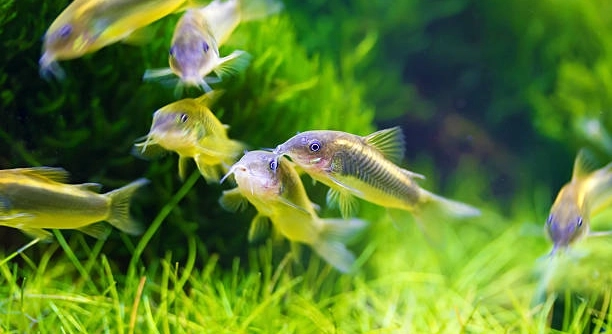
Maintaining a healthy environment for your Corydoras catfish is essential, especially when performing water changes. The wrong practices during these changes can lead to stress and illness, which can impact your fish’s well-being.
The key to preventing illness in Corydoras during water changes lies in maintaining stable water parameters, avoiding drastic temperature shifts, and keeping the water quality high. Regularly monitoring water conditions and acclimating fish slowly will reduce stress.
Proper techniques can make a huge difference in keeping your Corydoras catfish healthy. This article will walk you through easy ways to prevent stress and sickness during water changes, ensuring a thriving aquarium environment.
Maintain Stable Water Temperature
When you change the water in your aquarium, it’s crucial to maintain a consistent temperature. Sudden fluctuations in temperature can stress your Corydoras catfish, making them more prone to illness. This species is sensitive to rapid changes, and even a few degrees can be too much for them. To prevent this, use a thermometer to check both the new water and the tank water before you start the change. Gradually acclimate your fish to any temperature changes, either by slowly adding the new water or using a heater to bring it closer to the existing tank temperature.
Even minor temperature changes can have a major effect on your fish. To avoid this, try to match the temperature of the water you’re adding with that of the tank as closely as possible.
By making sure that the temperature difference is minimal, you reduce stress and prevent your catfish from becoming ill. Remember, Corydoras are delicate creatures and cannot tolerate significant swings in temperature. Maintaining a stable temperature will keep them comfortable and healthy.
Keep Water Parameters Consistent
Keeping the water parameters stable is another important aspect of water changes. Sudden shifts in pH, hardness, or salinity can shock your fish, making them vulnerable to diseases. Test the water regularly before and after a change to ensure that all levels are within the acceptable range for Corydoras. If necessary, make small adjustments over time rather than trying to change everything at once.
The health of your fish directly depends on the stability of the water conditions.
Corydoras catfish are sensitive to water quality, and they thrive in stable, clean conditions. If you’re using tap water for water changes, consider treating it to remove chlorine or chloramine, which can harm the fish. Using a good-quality water conditioner can help ensure that the water remains safe for your fish. Small but consistent changes to the water can go a long way in ensuring their health.
Avoid Sudden Water Changes
Drastic water changes can put unnecessary stress on your Corydoras catfish. It’s best to change only a small percentage of the water at a time, ideally around 25-30%. Larger changes can result in sudden shifts in water chemistry, which can confuse your fish and make them more vulnerable to disease. Try to keep water changes consistent and gradual.
By sticking to smaller water changes, your Corydoras will adapt better and remain healthy. You can schedule weekly or bi-weekly water changes, but keep in mind that consistency is more important than the size of the change.
In addition to reducing stress, smaller changes also allow you to better monitor the water conditions over time. If you’re dealing with high nitrate levels or other pollutants, smaller changes can be more effective and less overwhelming for your fish. This approach will keep your tank stable, and your catfish happy and safe.
Use a Good Filter System
A reliable filtration system is one of the best ways to maintain clean and healthy water in your tank. Good filtration removes waste, excess food, and harmful toxins that can build up, keeping the water safe for your Corydoras. Without a good filter, water quality can deteriorate quickly, which can lead to sickness.
An effective filter helps to ensure that the water remains clean in between changes, and reduces the need for frequent, larger water changes. Make sure your filter is appropriately sized for the tank, as undersized filters will struggle to keep up with the waste load.
Regular maintenance of the filter is also important. Clean it regularly and replace any worn parts, like filter media, to ensure the system works efficiently. This will help remove harmful substances from the water before they can impact the health of your Corydoras. A good filter system supports overall tank health and ensures your fish stay disease-free.
Avoid Overfeeding
Overfeeding your Corydoras can lead to excess waste in the water, which can quickly degrade water quality. It’s easy to be generous, but too much food can cause problems like increased ammonia levels, which are harmful to your fish. Stick to feeding them small portions that they can consume in a few minutes.
Uneaten food decomposes and adds toxins to the water, creating a poor environment for your fish. If you’re unsure about how much to feed, try giving less and monitoring the tank. You’ll know when the fish are getting enough, as they will eat it all quickly.
Proper feeding helps maintain clean water, which is vital for keeping your Corydoras healthy and free from disease. It’s always better to underfeed slightly than to overfeed. Adjust your feeding habits based on the tank’s needs and the size of your fish.
Use Water Conditioners
Water conditioners are an important tool when doing water changes, especially if you’re using tap water. These products neutralize chlorine, chloramine, and other harmful chemicals that can be toxic to fish. Even if your tap water looks clean, conditioners can make it safer for your Corydoras.
Adding a water conditioner before introducing new water to the tank will help protect your fish from potential harm. Follow the instructions on the product label to make sure you’re using the correct dosage for your tank’s size. It’s a small step that can make a big difference in the health of your Corydoras.
Perform Regular Water Testing
Testing the water regularly is essential to keeping your Corydoras safe. Check for ammonia, nitrites, nitrates, and pH levels to ensure the water remains within the safe range for your fish. Frequent testing helps you catch problems before they escalate.
Regular water testing is the key to preventing issues with water quality. Make it a habit to test at least once a week, and take action when any levels are off. By doing so, you can prevent common aquarium problems and maintain a healthy tank for your fish.
FAQ
What are the signs that my Corydoras catfish are stressed during water changes?
Stressed Corydoras catfish may show several behaviors, such as rapid swimming, hiding more than usual, or gasping at the surface. They might also have clamped fins, where their fins are held tightly against their bodies. If you notice any of these signs, it could indicate that your fish are experiencing stress due to water changes or other tank conditions. It’s important to address the source of stress, whether it’s fluctuating water temperature, poor water quality, or abrupt changes in water chemistry.
How often should I perform water changes for my Corydoras catfish?
For Corydoras catfish, performing a 25-30% water change once a week is usually recommended. This helps maintain good water quality while avoiding drastic shifts in water conditions. In some cases, such as with larger tanks or heavier bioloads, more frequent water changes may be necessary. The key is consistency—making regular, smaller changes helps keep the water fresh and the fish healthy.
Can I use tap water for water changes in my aquarium?
Yes, you can use tap water, but it’s important to treat it with a water conditioner to remove harmful chemicals like chlorine and chloramine. These substances can be toxic to your Corydoras. Also, check the water parameters such as pH, hardness, and temperature to make sure they are suitable for your fish. If your tap water has high levels of heavy metals or other contaminants, it might be best to use filtered water or source water from a different supply.
Is it okay to change all the water in my aquarium at once?
It is not recommended to change all the water at once, as this can cause dramatic shifts in water parameters, such as temperature, pH, and chemical balance. Corydoras catfish are sensitive to these changes, which can stress them out or even make them sick. Instead, perform smaller, more frequent water changes (around 25-30%) to maintain a stable environment.
Should I remove my Corydoras catfish during water changes?
Generally, it’s not necessary to remove your Corydoras catfish during water changes, as long as you follow proper procedures. If you’re using a siphon to clean the substrate, be gentle to avoid startling or injuring the fish. However, if the water temperature or quality is drastically different, it’s a good idea to temporarily remove them and place them in a safe, separate tank until conditions stabilize.
What water temperature should I maintain for Corydoras catfish?
Corydoras catfish prefer temperatures between 72°F and 78°F (22°C to 26°C). Keeping the water within this range helps them stay healthy and reduces the risk of illness. If your water is too cold, Corydoras can become sluggish, while excessively warm water can lead to oxygen depletion. Use a reliable aquarium heater to maintain a steady temperature.
How do I prevent ammonia buildup in my aquarium?
Ammonia buildup can be a serious problem in any aquarium, as it is toxic to fish. To prevent ammonia buildup, avoid overfeeding, and remove any uneaten food from the tank. Ensure your filtration system is working properly and clean the filter regularly. Additionally, perform regular water changes to keep ammonia levels in check. A healthy, well-maintained aquarium will have a properly cycled biological filtration system that helps break down waste into less harmful compounds.
What water parameters are best for Corydoras catfish?
Corydoras catfish prefer slightly acidic to neutral water with a pH between 6.5 and 7.5. Their ideal water hardness is between 2 and 18 dGH (degrees of general hardness). Additionally, the nitrate level should stay below 20 ppm (parts per million). Regular testing of these parameters will help ensure your fish stay comfortable and healthy.
Can Corydoras tolerate high nitrate levels?
No, Corydoras catfish cannot tolerate high nitrate levels for long. Elevated nitrate levels can lead to poor health, reduced immune function, and stress. Regular water changes are essential to keeping nitrates at safe levels. If nitrate levels are consistently high, it could indicate an underlying issue, such as overfeeding or insufficient filtration, that needs to be addressed.
Should I add any special products to my aquarium water during water changes?
While it’s not always necessary, adding water conditioners can be helpful during water changes. These products neutralize chlorine, chloramine, and other harmful substances in tap water. In addition, beneficial bacteria supplements can be added to help support your tank’s biological filtration system. However, always check the water parameters before adding anything, as certain products may alter pH or hardness.
How can I ensure my Corydoras catfish stay healthy during water changes?
To keep your Corydoras catfish healthy during water changes, make sure the new water is the same temperature as the tank water. Use a water conditioner to remove chlorine and chloramine. Perform regular water tests to monitor the water’s pH, hardness, and ammonia/nitrite/nitrate levels. Avoid making drastic changes in the water parameters, and always acclimate your fish slowly to any changes.
Why are my Corydoras catfish acting lethargic after a water change?
Lethargy in Corydoras catfish after a water change could be a sign of stress. This may be caused by a sudden change in water temperature, pH, or chemical composition. It’s important to ensure that the new water matches the conditions of the tank as closely as possible. If your catfish continue to act lethargic, test the water to check for abnormalities.
What is the best way to acclimate Corydoras catfish to new water?
To acclimate Corydoras catfish to new water, add small amounts of the new water into the tank slowly. You can do this by using a drip acclimation method or slowly pouring the new water into the tank over a period of 30 minutes to an hour. This will help avoid a sudden change in water conditions, which could cause stress or harm to your fish.
Final Thoughts
Maintaining the health of your Corydoras catfish during water changes is an essential part of aquarium care. By making sure that water temperature, quality, and parameters stay consistent, you can reduce stress and prevent illness in your fish. Small changes in water conditions, such as using a good filter, adding water conditioners, and testing water regularly, help to create a safe and stable environment for your catfish. These simple steps can go a long way in keeping your Corydoras healthy and thriving.
It’s important to remember that Corydoras catfish are sensitive creatures that can easily be stressed by rapid changes in their environment. Keeping things stable and gradual during water changes will give your fish the best chance at staying healthy. Avoid overfeeding, keep the tank clean, and make sure the filter is working efficiently. By doing so, you reduce the risk of harmful toxins building up in the water. In turn, your Corydoras will be able to focus on swimming, playing, and living their best life.
Ultimately, maintaining good water quality and a calm environment is the key to having happy and healthy Corydoras catfish. While water changes might seem like a simple task, they play a vital role in keeping the balance in your tank. If you follow the guidelines for water changes, such as making gradual adjustments and using the proper tools, your Corydoras will stay in the best possible health. Taking these steps regularly will not only help prevent sickness but also ensure your fish live long, healthy lives.

Hello,
If you enjoy the content that we create, please consider saying a "Thank You!" by leaving a tip.
Every little bit helps us continue crafting quality advice that supports the health, happiness, and well-being of pets around the world, for pets of all shapes, sizes, and species.
We really appreciate the kindness and support that you show us!