
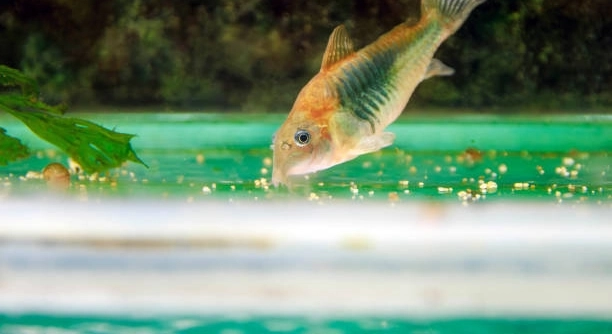
Corydoras catfish are popular aquarium fish, known for their playful and active nature. However, keeping them healthy and engaged in a small tank can be a challenge. Here are a few ways to help them stay active.
To keep Corydoras catfish active in a small tank, providing enrichment such as hiding spots, varied substrates, and a proper diet is essential. Regular water changes and maintaining appropriate water conditions can also promote their well-being and activity levels.
These simple steps will improve your Corydoras catfish’s overall activity and help ensure they thrive in a small environment.
Provide Plenty of Hiding Spots
Corydoras catfish love exploring their surroundings and feel more secure when they have places to hide. In a small tank, adding decorations like rocks, driftwood, or plants can create natural hiding spots for them. These hiding areas make the catfish feel safe, which encourages them to swim and explore more often. Without hiding spots, they may become stressed and inactive. By mimicking their natural environment with objects they can swim around and hide in, you can reduce stress and make them feel more comfortable. This also helps them stay physically active, as they will swim around looking for food and new places to explore.
While adding these hiding spots is essential, it’s important not to overcrowd the tank with too many objects. Keep enough space for your Corydoras to swim freely, as too much clutter can limit their movement and overall activity.
Providing a balance between hiding places and open swimming areas is crucial. It allows your catfish to engage in both foraging and swimming activities. This makes your tank not only look more natural but also keeps your Corydoras more active and happy.
Offer Varied Substrates
Corydoras catfish are bottom dwellers that enjoy rummaging through the substrate. A fine, soft substrate like sand will make them feel more at home. It’s also essential for their health, as rough gravel can damage their delicate barbels. Having a soft substrate allows them to search for food naturally without irritation. This type of substrate mimics the environment they would encounter in the wild.
They use their barbels to dig through the substrate, searching for small particles of food. This behavior keeps them moving and engaged, improving their activity level. Offering a varied substrate with areas of soft sand and light gravel can also stimulate different behaviors. The catfish will dig in some spots while swimming in others, ensuring they remain active in their small tank.
Maintain Good Water Quality
Clean water is essential for Corydoras catfish to stay active. Regular water changes help keep the tank’s environment stable and free from toxins. Poor water quality can lead to stress and inactivity. Make sure to test the water for ammonia, nitrites, and nitrates regularly. A stable environment encourages your catfish to move around and explore more often.
Good water filtration is key for maintaining the right conditions. A reliable filter ensures that waste and debris are removed, keeping the water clean. However, ensure that the filter’s current is not too strong, as Corydoras prefer slower-moving water. Proper filtration supports their health and keeps them active.
Keeping the water temperature consistent is also important. Corydoras thrive in warmer temperatures between 72°F and 78°F. Too much fluctuation can cause stress, which in turn reduces activity levels. By focusing on water quality, you’re providing a healthier, more active environment for your Corydoras.
Feed a Balanced Diet
A balanced diet plays a major role in keeping Corydoras active. These fish are omnivores, so they benefit from a variety of food, including pellets, frozen food, and live food like worms. Offering a mix of high-quality food ensures they get the nutrients they need to stay healthy.
Feeding them regularly encourages them to stay active, as they will search for food during the day. This foraging behavior keeps them engaged and moving around the tank. Avoid overfeeding, as this can lead to inactivity and poor water quality. It’s best to feed them small amounts multiple times a day.
Variety in their diet can also prevent boredom and encourage more natural behaviors. Corydoras enjoy hunting for live food and nibbling on different types of treats. By providing them with a diverse range of food, you’re helping keep them both healthy and active.
Add Tank Mates
Corydoras catfish are social creatures and enjoy the company of their own kind or peaceful tank mates. Adding a few more Corydoras to your tank will help keep them active as they interact and swim together. Avoid aggressive species, as this can stress them and reduce their activity levels.
When selecting tank mates, opt for non-aggressive species that won’t compete for food or territory. Small fish like tetras or guppies work well alongside Corydoras. This will allow your catfish to swim around with others and keep them more engaged.
Social interaction is essential for Corydoras to feel secure and active. A calm, peaceful community of fish makes them more comfortable, encouraging them to explore more and stay active throughout the day.
Encourage Swimming with Proper Tank Size
While a small tank can still house Corydoras, they need enough room to swim comfortably. A cramped space will limit their movement and reduce their activity. It’s best to provide at least 10 gallons of water for a small group of Corydoras to ensure they can swim freely.
When setting up the tank, consider the size of your catfish and the number of them you plan to keep. Overcrowding will restrict their movement and lead to stress. A properly sized tank allows Corydoras to engage in more natural behaviors like foraging, exploring, and interacting with each other. This improves their overall health and activity.
Keep the Lights on a Schedule
Corydoras thrive on a consistent day-night cycle. Keeping your tank lights on for about 10-12 hours a day simulates a natural environment, helping them maintain a routine. Avoid leaving the lights on for too long, as this can stress them out.
FAQ
How often should I feed my Corydoras catfish?
Corydoras catfish should be fed once or twice a day. Offer them small amounts of food they can eat in a few minutes. Overfeeding can lead to poor water quality and inactivity, so it’s important to stick to this routine. You can feed them a variety of foods, such as sinking pellets, frozen or live food, and occasional treats. It’s also important to remove any uneaten food after a few hours to prevent it from decomposing and polluting the water. By sticking to a consistent feeding schedule, you will encourage your Corydoras to stay active and healthy.
Can Corydoras live with other fish?
Yes, Corydoras catfish are peaceful and can live with many types of fish. They are best kept with other calm, non-aggressive species. Tetras, guppies, and rasboras make good tank mates. It’s important to avoid aggressive fish, as they may bully your Corydoras, causing stress and reducing their activity levels. Also, make sure to have enough food and space for everyone to avoid competition. As long as their tank mates are compatible, Corydoras will thrive in a community setup.
Do Corydoras catfish need a filter?
Yes, Corydoras catfish do need a filter to maintain clean water. They are sensitive to poor water quality, and having a filter ensures that waste and debris are removed, preventing toxins from building up. However, it’s essential to choose a filter with a gentle flow. Corydoras prefer calm waters, and a strong current can cause them stress. A sponge filter is often a good choice for tanks with Corydoras, as it provides filtration without creating a strong current. Regular water changes are also necessary, even with a filter, to keep the tank environment healthy.
What type of substrate is best for Corydoras catfish?
The best substrate for Corydoras is soft sand or fine gravel. Corydoras have delicate barbels that can be damaged by sharp or rough gravel. A smooth substrate allows them to dig and forage naturally, which keeps them active. Sand mimics the substrate found in their natural habitat, where they often sift through the sand in search of food. Avoid using large, rough rocks or pebbles, as these can hurt their barbels. A soft, fine substrate also helps maintain water quality by allowing debris to settle easily, making it easier to clean the tank.
How do I keep Corydoras active in a small tank?
In a small tank, it’s essential to provide enough space for Corydoras to swim and explore. Adding hiding spots like plants, rocks, or driftwood helps them feel secure and encourages them to be more active. Additionally, maintaining good water quality, offering a balanced diet, and keeping a regular light cycle all contribute to their overall activity. Small tanks can sometimes feel limiting, but by creating an environment that mimics their natural habitat, you can keep your Corydoras engaged. It’s also important to regularly change the water and monitor for any signs of stress.
Can Corydoras live in a tank with other bottom dwellers?
Corydoras can live with other bottom-dwelling fish, but it’s important to ensure they aren’t competing for the same space or food. Species like loaches or catfish might not cause problems if there is enough space for everyone. However, it’s crucial to keep the tank clean and monitor for aggression or overcrowding. Corydoras are peaceful, and sharing the bottom of the tank with other calm fish may work, as long as each fish has enough room and access to food. Avoid aggressive species that might push the Corydoras away from food sources.
What should I do if my Corydoras catfish are inactive?
If your Corydoras are inactive, there are a few things to check. First, ensure that the water quality is good, as poor water conditions can cause stress and lethargy. Test the water for ammonia, nitrites, and nitrates. If the levels are off, perform a water change and adjust the filtration. Also, check the temperature of the tank, as Corydoras prefer water between 72°F and 78°F. If everything seems in order but your Corydoras remain inactive, consider providing more hiding spots or adding more tank mates to encourage social behavior. Stress or boredom can also lead to inactivity, so offering variety in their food and environment may help.
How many Corydoras catfish should I keep together?
Corydoras are social fish and should be kept in groups of at least three to five individuals. In the wild, they live in schools, so keeping them in groups helps them feel secure. A group allows them to interact, play, and swim together, which keeps them active. Keeping just one or two Corydoras may cause them to become stressed and lethargic. In larger tanks, a group of six or more is even better, as this mimics their natural behavior. A small, peaceful school of Corydoras will create a lively and engaging environment in your tank.
Do Corydoras need a heater?
Corydoras catfish do best in warm water, so a heater is often necessary, especially in cooler climates. The ideal temperature for Corydoras is between 72°F and 78°F. Fluctuating temperatures can cause stress and make them less active. A heater will help maintain a consistent temperature, ensuring that your Corydoras are comfortable and healthy. Be sure to monitor the water temperature regularly to avoid overheating, as Corydoras are sensitive to extreme temperature changes. A reliable thermometer will help you keep the temperature within the ideal range.
Can I add live plants to my Corydoras tank?
Yes, live plants can enhance your Corydoras tank, both aesthetically and practically. Plants provide hiding spots, reduce stress, and help keep the water clean by absorbing excess nutrients. Corydoras catfish also enjoy foraging in the plants, as they might find small particles of food or organic matter to nibble on. When choosing plants, opt for species that are easy to care for and can thrive in your tank’s lighting and water conditions. Plants like Java moss, Anubias, or Amazon swords are excellent choices for Corydoras tanks. Just be sure to leave enough open space for swimming.
Final Thoughts
Keeping Corydoras catfish active in a small tank is entirely possible with the right care. By focusing on their environment, diet, and social needs, you can create a space that encourages your catfish to stay active and healthy. It’s important to remember that these fish are naturally curious and social, so providing enrichment and opportunities for interaction can make a big difference. Small tanks can sometimes seem limiting, but with a little planning, they can be a great home for Corydoras.
A proper tank setup is essential. Providing hiding spots, using a gentle filter, and choosing the right substrate will help your Corydoras feel safe and engaged. The water quality is also key to keeping them active, as poor conditions can lead to stress and inactivity. Regular water changes, a consistent temperature, and the right filtration will help create an ideal environment for your catfish. A healthy tank environment promotes not only their activity levels but also their long-term well-being.
Diet and social interaction play a big role as well. Offering a balanced diet with a variety of food will keep them physically and mentally stimulated. Feeding them regularly encourages natural behaviors, like foraging and swimming. Additionally, keeping Corydoras in groups and ensuring they have compatible tank mates can help them stay active and engaged. Overall, by paying attention to these simple but important factors, your Corydoras will thrive in a small tank, staying active and happy.

Hello,
If you enjoy the content that we create, please consider saying a "Thank You!" by leaving a tip.
Every little bit helps us continue crafting quality advice that supports the health, happiness, and well-being of pets around the world, for pets of all shapes, sizes, and species.
We really appreciate the kindness and support that you show us!