
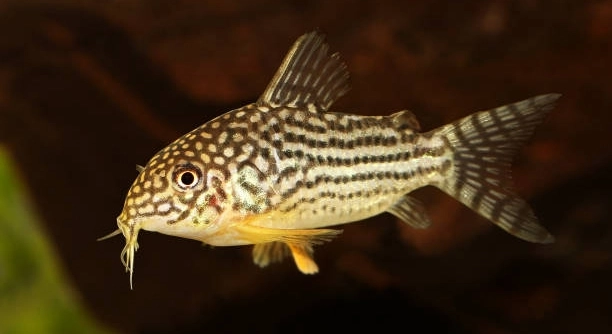
Corydoras catfish are popular aquarium pets, known for their playful behavior and unique habits. One behavior that often catches the eye of owners is their tendency to push gravel around in their tanks.
Corydoras catfish push gravel for several reasons, such as searching for food, creating nesting areas, or even expressing natural instincts. Their behavior may also be linked to stress, tank environment, or simply the need to stay active.
Understanding why your Corydoras is moving the gravel can help you create a better environment for them. There are various factors that could be influencing their actions, and learning more can help improve your catfish’s well-being.
Searching for Food
Corydoras catfish are known to be bottom feeders, which means they spend a lot of time foraging for food along the substrate of the aquarium. Their whisker-like barbels help them detect small food particles in the gravel. When they push the gravel around, they are often trying to uncover hidden morsels, whether it’s leftover food, algae, or even bits of plant matter. These catfish are constantly looking for something to nibble on, and they may shift the gravel to access food that is not immediately visible. This behavior is instinctive, as it mimics their natural behavior in the wild, where they search the riverbed for food.
In an aquarium, it’s important to ensure that your Corydoras have a varied diet and are fed regularly. If they are consistently moving the gravel in search of food, it could mean they are hungry or not getting enough nourishment.
To minimize gravel-moving behavior, you can feed them small amounts throughout the day or scatter food in different parts of the tank. This keeps them occupied and reduces the need to search the substrate for food, helping them stay healthier in the long run.
Creating Nesting Areas
Another reason your Corydoras might be moving gravel is to create a nesting space. These fish tend to spawn on flat surfaces like rocks or plants, but they will also shift the gravel around to prepare a secure spot for laying eggs. By pushing gravel, they may be trying to make a flat area where the eggs can stick and remain safe. This is a natural instinct, as in the wild, they would look for an area in the riverbed that would protect their eggs from current and predators.
In a tank, if you notice this behavior, it’s usually a sign that your Corydoras are ready to reproduce. If they don’t have enough space to create their nests, they might try to do so by rearranging the gravel.
It’s important to note that while creating a suitable nesting area, these fish don’t usually require any special treatment from owners. As long as they have a safe environment and are well-fed, they will often find suitable places to spawn naturally. You can add more rocks or plants to provide them with more options for nesting. This behavior is perfectly natural and should be encouraged as part of their overall well-being.
Stress or Discomfort
Corydoras catfish may move gravel around if they are stressed or uncomfortable in their environment. Changes in water parameters, tankmates, or sudden disturbances can cause them to act out.
Stress can lead to abnormal behavior, including digging or pushing gravel. Poor water quality, such as high ammonia levels or incorrect pH, may also trigger this. Corydoras are sensitive to their surroundings and need a stable, calm environment.
If you notice your catfish frequently moving gravel, it may be a sign they are stressed. Ensuring the water quality is within the proper range and keeping the tank peaceful can help reduce this behavior. It’s also helpful to check the compatibility of your tankmates, as aggression can contribute to their anxiety.
Tank Size and Space
Limited tank space might cause your Corydoras to push gravel. These fish enjoy exploring and need room to move freely. When the space is too small, they may try to find ways to make the most of their environment.
If the aquarium is overcrowded or too small for the number of fish, Corydoras may not feel comfortable. They naturally want to explore their surroundings, but restricted space can cause frustration. As a result, they may start moving the gravel as a way to cope with their confinement.
Providing them with a larger, well-planted tank can alleviate the issue. Corydoras thrive in tanks with a lot of hiding spots and areas to explore. A larger tank not only prevents stress but also helps maintain water quality, which can improve their overall health. It’s essential to create a space where they can act naturally, avoiding behavior like excessive gravel-moving.
Water Temperature
Corydoras catfish are sensitive to temperature changes. If the water is too cold or too warm, it can lead to unusual behavior like moving gravel around. Maintaining a stable water temperature is crucial for their well-being.
Fluctuations in water temperature can cause stress, and Corydoras may push gravel as a reaction to discomfort. Ideally, the water should stay between 72-78°F (22-26°C) to keep them comfortable.
You can prevent temperature stress by using a reliable heater and thermometer to monitor the tank’s temperature regularly. Consistency is key in maintaining a healthy environment for your catfish.
Poor Substrate Choice
If your substrate isn’t suitable for Corydoras, they might push the gravel around more often. Sharp or rough gravel can irritate their barbels and cause them to behave differently.
Opt for smooth, fine gravel or sand that won’t harm their sensitive barbels. Soft substrates allow Corydoras to forage without discomfort.
A softer substrate also helps with water filtration and gives them a more natural environment to interact with. The right substrate ensures they stay healthy and reduces unnecessary stress.
Lack of Hiding Spots
Corydoras catfish are shy and often seek places to hide, especially when they feel vulnerable. If the tank lacks hiding spots, they may push gravel to create a safe area for themselves.
Adding plants, rocks, or caves gives them places to retreat and feel secure. This reduces stress and discourages gravel-moving behavior.
FAQ
Why do Corydoras push gravel around at night?
Corydoras are nocturnal creatures, so they tend to be more active at night. If they are moving gravel, it could be part of their natural foraging behavior. They might be searching for food that was missed during the day. In the wild, Corydoras search the riverbed for food, and they often do so in the dark. This activity can also be influenced by water temperature and tank conditions. If your Corydoras are pushing gravel more at night, it’s likely just their way of staying busy and searching for snacks when they feel more comfortable.
Can Corydoras push gravel because they are bored?
Yes, boredom can cause Corydoras to act out, including moving gravel around. In an aquarium, these fish need mental and physical stimulation. If the tank is too plain or there isn’t enough to do, they may engage in this behavior as a way to keep themselves occupied. Providing more decorations, hiding spots, and a variety of food can help reduce boredom. Corydoras need to feel stimulated and secure to avoid developing unhealthy habits like excessive gravel-moving.
Should I be concerned if my Corydoras keeps pushing gravel?
It’s not always a cause for concern, but if the behavior becomes excessive or seems linked to other signs of distress, it may be time to evaluate the tank environment. It’s important to check water quality, tankmates, and the overall setup. As long as the fish are eating well and acting normally otherwise, occasional gravel-moving is perfectly natural. However, if your Corydoras are showing other signs of stress or illness, such as rapid breathing, discoloration, or erratic behavior, it might be time to investigate the root cause.
Is gravel-moving behavior common for all Corydoras species?
Yes, most Corydoras species exhibit gravel-moving behavior, as it’s a natural instinct. Whether it’s foraging for food, creating nests, or simply exploring their environment, Corydoras tend to dig or push gravel around. This behavior is seen in various species, including Corydoras aeneus, Corydoras sterbai, and Corydoras panda. The degree to which they move gravel can vary based on species, tank setup, and individual fish behavior.
Can I stop my Corydoras from moving gravel?
You can’t entirely stop Corydoras from moving gravel, but you can minimize it. By providing a well-maintained environment with enough space, hiding spots, and a soft, smooth substrate, you reduce their need to dig. Ensuring that the water quality is stable and feeding them regularly will also lessen their urge to search for food in the gravel. Corydoras need a healthy environment to feel secure and comfortable, which can help reduce excessive gravel-moving.
Do Corydoras need a specific type of substrate to stop moving gravel?
Corydoras prefer a fine, soft substrate like sand or small, smooth gravel. A rough or sharp substrate can irritate their barbels and encourage them to push gravel around more. Sand mimics the natural riverbeds where they would typically forage and prevents them from feeling discomfort while they search for food. Avoid using large, jagged rocks or sharp-edged gravel that could harm their sensitive barbels.
How can I tell if my Corydoras are stressed when moving gravel?
Stress in Corydoras can sometimes be difficult to identify, but excessive gravel-moving can be one sign. If your Corydoras are continuously digging, swimming erratically, or showing signs of aggression, it may be stress-related. Look for other signs like pale coloration, rapid gill movement, or hiding. Stress can also be caused by poor water quality, incorrect water parameters, or incompatible tankmates. If the behavior is paired with other signs of distress, it’s a good idea to check the tank environment and make adjustments.
Can I add more Corydoras to stop the gravel-moving behavior?
Adding more Corydoras can sometimes help, as they are social fish that thrive in groups. Having a school of Corydoras may provide them with companionship and reduce boredom, which can help prevent excessive gravel-moving. However, be sure that your tank has enough space and that the water conditions are suitable for more fish. Overcrowding can cause more stress, leading to more behavior problems. A group of at least 4-6 Corydoras is recommended for optimal socialization and well-being.
What should I do if my Corydoras keeps moving gravel during spawning?
If your Corydoras are pushing gravel around during spawning, this is natural behavior. They may be preparing a safe area to lay their eggs. You don’t need to intervene unless the eggs are being harmed or not being protected. Provide more hiding spots and a quiet environment to ensure they feel safe. If you want to encourage successful spawning, ensure the water conditions are optimal, and the tank is free of predators that could eat the eggs.
Are there any other fish that push gravel around?
Yes, many bottom-dwelling fish species, like loaches, plecos, and catfish, engage in similar gravel-moving behavior. They may be foraging for food, creating nesting areas, or simply exploring. Like Corydoras, these fish tend to be more active at night or in darker areas of the tank. The behavior is natural for fish that live on the substrate and help keep the aquarium’s bottom clean.
Final Thoughts
Corydoras catfish are fascinating creatures, and their behavior can be quite interesting to observe. If your Corydoras are constantly moving gravel around, it’s usually a sign that they’re either foraging, creating nesting areas, or simply expressing their natural instincts. While it might seem like odd behavior at first, it’s generally harmless and a normal part of their activity. Their tendency to shift the substrate in the tank is rooted in their behavior in the wild, where they would sift through the riverbed for food and shelter.
However, if you notice that the gravel-moving behavior is accompanied by signs of stress or illness, it could be worth investigating the tank’s water quality, temperature, or tankmates. Corydoras are sensitive to changes in their environment, and poor water quality or sudden fluctuations can make them uneasy, leading to abnormal behavior. Providing a stable, peaceful environment is essential for keeping these catfish happy and healthy. Additionally, ensuring that they have enough space, hiding spots, and proper food can help reduce unnecessary stress and keep their natural behavior in check.
In most cases, gravel-moving is not something to worry about. It’s simply part of their nature. That said, monitoring their behavior and providing a well-maintained environment is key to their overall well-being. By making sure that your Corydoras have everything they need—such as a suitable substrate, good water quality, and adequate space—you can help them feel secure and comfortable in their home. This, in turn, will allow you to enjoy their playful nature without concern. So, keep an eye on them, but remember that they are just doing what comes naturally to them.

Hello,
If you enjoy the content that we create, please consider saying a "Thank You!" by leaving a tip.
Every little bit helps us continue crafting quality advice that supports the health, happiness, and well-being of pets around the world, for pets of all shapes, sizes, and species.
We really appreciate the kindness and support that you show us!