
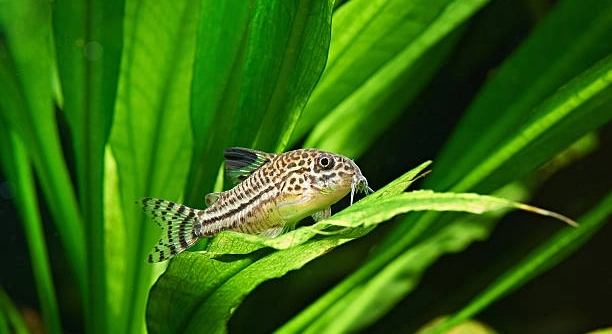
Corydoras catfish are a popular choice for aquarium enthusiasts, known for their peaceful nature and helpful cleaning habits. However, like any pet, overfeeding can lead to health problems. It’s important to keep an eye on their diet.
Overfeeding your Corydoras catfish can result in various health issues, including bloating, digestive problems, and poor water quality. Excess food often decomposes, leading to ammonia spikes, which can harm the fish and the tank’s ecosystem.
Recognizing the signs of overfeeding early will help maintain your fish’s health. Understanding these symptoms can guide you toward healthier feeding habits for your Corydoras catfish. Proper care ensures they thrive in your aquarium.
What Happens When Corydoras Catfish Are Overfed?
Overfeeding can cause your Corydoras catfish to become unhealthy. These fish are small, so they don’t require much food. If you feed them too much, excess food will decompose in the tank, creating ammonia that harms both the fish and the environment. Over time, this can lead to poor water quality, which can stress the catfish and make them more susceptible to diseases. It’s important to offer the right portion of food so that they can finish it all within a few minutes. Leftover food can cause waste buildup and harm the overall tank health.
A balanced diet is essential for the health of your Corydoras catfish. Offering them the right amount of food helps prevent issues like bloating and digestive problems.
Keeping track of feeding times is crucial. Make sure to feed them a small amount that they can consume in 2 to 3 minutes. This ensures they get enough nutrients while preventing leftover food from polluting the water. Monitoring how much food they eat is a simple way to keep their diet in check.
How Overfeeding Affects Tank Water Quality
Excess food can significantly impact the water quality of your aquarium. As uneaten food breaks down, it releases ammonia and other waste products into the tank, which can lead to higher nitrate and nitrite levels. These toxins are harmful not only to your catfish but also to any other fish or plants in the tank. Without proper filtration or regular water changes, the buildup of these harmful substances can cause serious health problems for your aquarium’s inhabitants.
If your tank’s water quality drops, your catfish may experience symptoms like rapid gill movement or lethargy, which are signs of stress. Over time, the water will become murky, and it will become harder to maintain a clean environment. Regular water changes and proper filtration will help counteract the negative effects of overfeeding, but preventing overfeeding in the first place is much easier.
To keep your tank clean, reduce the food portion size. Remove any leftover food after feeding, and clean the tank regularly. These steps will help maintain good water quality and keep your Corydoras catfish healthy and active.
Signs of Overfed Corydoras Catfish
Overfed Corydoras catfish often show signs of bloating, sluggishness, or an unwillingness to swim. These symptoms suggest that the fish’s digestive system is overwhelmed by excess food. The belly may appear swollen, and the fish could seem less active than usual.
A Corydoras that has been overfed might also spend more time near the tank’s bottom, swimming slowly or staying still. This is often due to discomfort from an overloaded digestive system. If your fish seems lethargic or frequently hides, it could be a sign that you’ve been offering too much food. Always monitor their behavior after feeding.
In severe cases, overfeeding may lead to more noticeable health issues, such as constipation or bloating. If left untreated, these problems can weaken the catfish’s immune system, leaving them vulnerable to disease. So, it’s crucial to adjust feeding habits and ensure you’re not giving them more than they can handle.
Impact on Water Filtration
Overfeeding increases the amount of organic waste in your tank. Excess food not consumed by the catfish breaks down, releasing toxins like ammonia. These compounds put extra stress on your filter system and can quickly degrade water quality, making it harder to keep the tank clean.
An overwhelmed filtration system can lead to cloudy water, and it will struggle to remove harmful substances from the tank. Over time, this can cause a cycle of poor water quality, which stresses your catfish and can even lead to the growth of harmful bacteria.
To avoid these issues, you need to keep your filter in good condition and ensure that it’s strong enough to handle the waste load. Also, avoid feeding your fish too much, as this will help reduce the amount of waste produced and make it easier for your filter to maintain water clarity and quality.
How to Avoid Overfeeding
To avoid overfeeding your Corydoras catfish, stick to a feeding schedule. Offer small portions that they can consume in 2-3 minutes, then remove any leftovers. This ensures that the fish get enough food without excess waste accumulating in the tank.
A good rule of thumb is to feed them once or twice a day. Measure out food rather than eyeing it, and observe if they finish it within a few minutes. Overfeeding can quickly lead to tank issues, so it’s important to stay consistent with portion sizes.
Effects on Fish Health
Overfeeding can lead to several health problems in Corydoras catfish, including bloating, constipation, and poor digestion. These conditions occur because their digestive systems can’t process excess food, leading to internal discomfort. It’s important to address this issue quickly to prevent long-term health effects.
Additionally, poor digestion from overfeeding can weaken the catfish’s immune system. A weakened immune system makes them more susceptible to infections and diseases. Regular monitoring of their eating habits will help prevent these problems and ensure their long-term health.
The Importance of Tank Cleanliness
Keeping your tank clean is crucial when managing Corydoras feeding. Regular water changes and substrate cleaning help remove any leftover food and waste, which could otherwise decompose and negatively affect water quality. If you notice cloudy water or foul odors, it’s a sign that excess food is impacting your tank’s cleanliness.
FAQ
What should I feed my Corydoras catfish?
Corydoras catfish are omnivores, so they thrive on a varied diet. You can feed them sinking pellets or wafers designed for bottom feeders, along with occasional treats like frozen or live foods such as brine shrimp, bloodworms, and daphnia. It’s also helpful to give them some vegetable matter like blanched zucchini or spinach. Ensure the food is small enough for them to easily consume.
How often should I feed Corydoras catfish?
Corydoras catfish should be fed once or twice a day. It’s essential not to overfeed them. A small amount that they can consume in 2-3 minutes is sufficient. Overfeeding can lead to water quality problems, so if they finish their food quickly, you may feed them twice a day. If there’s leftover food, reduce the portion size next time.
Can Corydoras catfish eat too much?
Yes, Corydoras catfish can eat too much. If they are overfed, they may experience digestive issues such as bloating, constipation, or even obesity. Excess food that remains in the tank decomposes, increasing ammonia levels in the water, which could harm both the fish and the tank’s ecosystem. Always monitor their feeding times to ensure they’re not consuming more than they can handle.
How do I know if my Corydoras catfish is overfed?
Signs of overfeeding include bloating, lethargy, and a noticeable decrease in activity. Your Corydoras might spend more time lying at the bottom of the tank, avoiding swimming, or appear unusually sluggish. Their belly may become swollen or distended, which is a clear sign of overfeeding.
What are the risks of overfeeding Corydoras catfish?
Overfeeding your Corydoras catfish can cause several issues, primarily related to their health and tank water quality. Excess food breaks down into harmful substances like ammonia, which can increase the toxicity in the tank. Overfed catfish may develop bloating, digestive problems, or even internal organ damage. Poor water quality from excess food can stress your fish, leading to a weakened immune system and a greater likelihood of illness.
How can I prevent overfeeding my Corydoras catfish?
Preventing overfeeding involves careful portion control. Feed your Corydoras small amounts that they can finish in 2-3 minutes. If you notice leftover food after feeding, reduce the portion next time. Establishing a feeding schedule and being consistent with portion sizes can help prevent overfeeding.
Should I remove leftover food from the tank?
Yes, it’s important to remove any leftover food from the tank. Leftover food will begin to decompose, which can lead to poor water quality and the growth of harmful bacteria. Use a small net or siphon to remove uneaten food after feeding. This helps maintain the water quality and prevents the build-up of organic waste.
How does overfeeding affect the tank environment?
Overfeeding negatively impacts the tank environment by contributing to poor water quality. As food decomposes, it releases harmful chemicals like ammonia, nitrates, and nitrites into the water. These substances can harm not only the catfish but also any other aquatic life in the tank. Overfeeding leads to cloudy water, higher filtration needs, and more frequent water changes.
Can overfeeding lead to illness in Corydoras catfish?
Yes, overfeeding can lead to illness in Corydoras catfish. Overfed fish are more prone to digestive problems like constipation, bloating, or even internal damage. The stress caused by poor water quality and unprocessed food can weaken their immune system, making them more susceptible to diseases like fin rot, fungal infections, or parasitic diseases.
What are some signs that my Corydoras catfish has a digestive issue?
Signs of digestive issues in Corydoras catfish include bloating, swelling in the belly, difficulty swimming, and a loss of appetite. If your fish becomes constipated, you may notice them swimming abnormally or spending more time lying still at the bottom of the tank. If these symptoms occur, reduce the food amount and ensure you’re not overfeeding.
Can Corydoras catfish eat vegetables?
Yes, Corydoras catfish can eat vegetables. Blanched zucchini, spinach, and peas are great additions to their diet. These vegetables provide fiber that helps with digestion and can prevent constipation. Be sure to remove any uneaten vegetable matter after a few hours to avoid water pollution.
How can I tell if my tank’s water quality is affected by overfeeding?
Signs that your tank’s water quality is affected by overfeeding include cloudy water, foul odors, and high levels of ammonia or nitrites. If you notice these changes, it’s important to test the water and perform a partial water change to improve the environment. Keep an eye on your fish’s behavior as well; stressed or lethargic fish may also be a sign of poor water quality.
How do I maintain a healthy tank environment for my Corydoras catfish?
To maintain a healthy tank environment, keep up with regular water changes and monitor the tank’s ammonia, nitrate, and nitrite levels. Use a good filtration system and clean the substrate to remove any waste or leftover food. Limit overfeeding and provide the correct amount of food for your Corydoras to prevent excess waste buildup.
Final Thoughts
Maintaining a healthy environment for your Corydoras catfish is simple but requires attention to detail. Overfeeding may seem harmless at first, but it can quickly lead to a range of problems, from bloating and digestive issues in the fish to poor water quality in the tank. By monitoring their food intake and keeping a consistent feeding schedule, you can prevent overfeeding and ensure your fish stay happy and healthy. Remember, Corydoras are small and don’t need large portions of food. A little goes a long way, and this will also help you keep the tank cleaner.
Water quality plays a huge role in the overall well-being of your Corydoras catfish. Excess food breaks down into harmful substances like ammonia, which not only affects the fish but also creates more work for your filter system. When you feed your fish in moderation and remove leftover food promptly, you’re helping maintain a healthy balance in the tank. Regular water changes and good filtration will also make a significant difference in keeping the water clean and safe for your catfish. The health of your fish and the quality of the water are closely linked, so it’s important to pay attention to both.
Ultimately, keeping your Corydoras catfish healthy is all about creating a balanced and consistent feeding routine. By avoiding overfeeding, you can prevent health issues and water quality problems. If you notice signs of overfeeding, such as bloating or sluggishness, make adjustments to their diet and feeding habits immediately. With careful monitoring and the right amount of food, you can ensure your catfish remain active and healthy for years to come.

Hello,
If you enjoy the content that we create, please consider saying a "Thank You!" by leaving a tip.
Every little bit helps us continue crafting quality advice that supports the health, happiness, and well-being of pets around the world, for pets of all shapes, sizes, and species.
We really appreciate the kindness and support that you show us!