
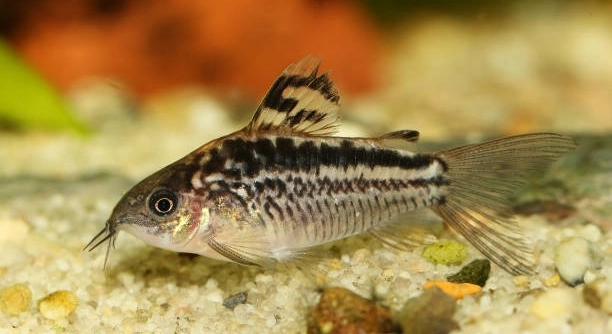
Do your Corydoras seem less active lately or show signs of stress despite your best efforts to keep their tank clean and safe?
The best way to prevent Corydoras catfish from developing health problems is by maintaining clean water, providing a balanced diet, and minimizing stress. These actions support their immune system and overall well-being, reducing the risk of disease.
Simple habits, smart choices, and regular checks can keep your Corydoras happy, healthy, and thriving in their underwater home.
Keep the Water Clean and Stable
Corydoras are sensitive to dirty water. Even a small amount of waste can make them sick. It’s important to test the water often and change it regularly. Try to do a 25–30% water change each week. Make sure the filter is working properly and that you’re not overfeeding, since uneaten food breaks down and affects water quality. Use a water conditioner to remove chlorine and chloramine, and keep an eye on ammonia, nitrite, and nitrate levels. Corydoras also like stable conditions, so avoid sudden changes in temperature or pH. A stable tank helps their immune systems stay strong and lowers stress.
A dirty or unstable tank can lead to fin rot, infections, or breathing issues. Clean water is their first line of defense against many common problems.
If you’re consistent with water changes and monitor the tank, your Corydoras will stay more active, feed better, and show fewer signs of stress. It’s a simple habit that goes a long way.
Choose the Right Substrate
Corydoras spend a lot of time at the bottom of the tank, so the substrate you use matters more than you might think.
Rough gravel can hurt their delicate barbels, which they use to search for food. Damaged barbels can lead to infection and make it harder for them to eat. Instead, use soft sand or smooth gravel that won’t cause injury. Rinse the substrate well before adding it to the tank to avoid cloudiness and reduce harmful particles. It’s also important to vacuum the substrate during water changes to remove waste buildup. Keeping the bottom clean helps prevent bacterial growth and keeps your fish healthy. A soft, clean substrate encourages natural behavior like foraging and digging, which is not only good for their health but also enjoyable to watch. Making this one simple change can have a big impact on your Corydoras’ long-term health.
Feed a Balanced and Varied Diet
Corydoras need more than just sinking pellets. Giving them a mix of high-quality foods helps them stay strong and active. Rotate their meals to include live, frozen, and vegetable-based options.
Sinking wafers or pellets should be the base of their diet, but they also benefit from treats like bloodworms, daphnia, or brine shrimp. These protein-rich foods help with growth and energy. Blanched vegetables like zucchini or spinach can provide fiber and support digestion. Feed in small amounts once or twice a day, and remove leftovers within 15–20 minutes to avoid dirtying the water. Make sure food reaches the bottom of the tank where they feed. If other fish eat everything first, try feeding after lights out when Corydoras are more active. Giving them variety improves nutrition and encourages natural foraging.
Avoid overfeeding. It can lead to bloating, poor water quality, and health problems. Watch your fish eat and adjust portions as needed.
Avoid Overcrowding the Tank
Too many fish in a tank causes stress and raises the chance of disease. Corydoras do best in small groups, but the tank must be large enough to support them comfortably without overloading the system.
A good rule is to have at least five to six Corydoras, as they are social fish that enjoy each other’s company. But each fish adds to the bioload, so aim for at least a 20-gallon tank for a small group. Keep an eye on how they behave—if they seem restless, gasp at the surface, or show signs of stress, the tank may be too crowded. Make sure there are enough hiding spots like plants, driftwood, or caves to give them space and reduce tension. Good filtration and regular maintenance help balance the tank. By keeping the population at a healthy level, you lower the risk of aggression, ammonia spikes, and disease.
Quarantine New Fish and Plants
New fish can carry bacteria or parasites that harm Corydoras. Keep new arrivals in a separate tank for at least two weeks. This helps you watch for any signs of illness before adding them to the main tank.
Live plants can also bring in unwanted pests or algae. Rinse them well and consider a mild bleach dip to kill anything harmful. Always research safe plant-cleaning methods before use.
Provide Enough Hiding Spots
Corydoras feel safer when they have places to hide. Use plants, driftwood, or decorations to give them shelter and reduce stress. A calm fish is less likely to get sick, so a well-decorated tank helps keep them healthy.
Monitor for Early Signs of Illness
Look for changes in behavior like sluggish movement, loss of appetite, or faded color. Catching problems early gives you a better chance of treating them successfully.
FAQ
How often should I feed my Corydoras catfish?
Feed adult Corydoras once or twice a day. Give them only what they can finish in about 15 to 20 minutes. If there’s food left on the bottom after that time, it’s probably too much. Overfeeding can lead to water problems and health issues like bloating. For young or growing Corydoras, smaller feedings up to three times a day are fine, as long as you’re keeping the tank clean. It’s better to feed a little less than too much.
Can Corydoras catfish live with other fish?
Yes, Corydoras are peaceful and do well in community tanks. They get along with other small, non-aggressive species like tetras, rasboras, and guppies. Avoid keeping them with large or aggressive fish that may nip at them or outcompete them for food. Since they’re bottom dwellers, choose tankmates that swim at different levels to avoid crowding. Keep them in groups of five or more so they feel secure and display their natural behavior.
What temperature is best for Corydoras catfish?
Most Corydoras prefer temperatures between 72°F and 78°F (22°C to 26°C). Try to keep the temperature steady, without big daily changes. Rapid shifts in temperature can stress them out and make them sick. Use a reliable heater and thermometer to help maintain consistency. If you’re keeping a species that likes cooler water, such as Corydoras paleatus, they may prefer slightly lower temperatures. Always check what your specific species needs before setting up the tank.
Why are my Corydoras staying at the surface?
Corydoras may swim to the surface occasionally to gulp air, which is normal because they have a special ability to breathe air. But if they’re doing it too often or staying at the surface for long periods, it could mean the water has low oxygen. Check the filter, add an air stone, and make sure the tank is not overcrowded. Poor water quality can also be the cause, so test for ammonia, nitrites, and nitrates if you notice this behavior.
Do Corydoras need a bubbler or air stone?
They don’t require a bubbler, but extra aeration can be helpful, especially in warmer tanks where oxygen levels drop more quickly. An air stone can increase surface agitation, helping to oxygenate the water and reduce stress. If your filter already creates good surface movement, a bubbler isn’t necessary. But it won’t hurt to add one, especially if your fish seem a little sluggish or are spending too much time near the top of the tank.
How can I tell if a Corydoras catfish is sick?
Watch for changes like staying still for long periods, labored breathing, white spots, frayed fins, or weight loss. Loss of appetite and unusual swimming patterns are also signs of illness. Healthy Corydoras are usually active, curious, and move around in groups. If one fish starts isolating itself or looks dull in color, it’s worth testing the water and possibly separating it from the rest. Early treatment usually works better, so don’t wait too long to act.
What size tank do Corydoras need?
For a small group of five or six, a 20-gallon tank is a good starting point. If you want to keep more or mix them with other fish, go bigger. They enjoy space to explore the bottom and do better in longer tanks with more floor area. A cramped tank can lead to stress, fighting over space, and water quality issues. Always consider both the number of fish and how much room they’ll need to move around comfortably.
Can I keep Corydoras on bare-bottom tanks?
You can, but it’s not ideal. Corydoras love to dig and forage along the bottom. Without substrate, they can’t show their natural behavior. Also, a bare bottom can be a little too reflective or slippery for them. If you do choose a bare-bottom tank—for easier cleaning or quarantine—make sure they still have hiding places and soft spots to rest. Long term, a soft sand substrate is better for their health and behavior.
Final Thoughts
Corydoras catfish are peaceful, active, and fun to watch. They bring life to the bottom of any freshwater tank and are easy to care for when their basic needs are met. Like all fish, they depend on their environment to stay healthy. Clean water, the right food, proper tank size, and calm tankmates all play a part in keeping them safe and stress-free. While Corydoras are hardy and can handle a few changes, they do best when things stay steady. Sudden shifts in water quality, temperature, or diet can lead to health problems. That’s why simple, consistent care is so important.
These catfish do not require anything too fancy or expensive, but they do need attention. Regular water changes, checking water parameters, and giving them space to explore will go a long way. A soft substrate like sand protects their sensitive barbels, while a varied diet helps them stay active and strong. Watching how they move and behave can also give you early signs of problems. If you notice one fish acting differently from the group, take the time to investigate. It’s often easier to fix an issue early on than to wait until it becomes a serious health risk.
Caring for Corydoras is not difficult, but it does take some effort. With a little planning and regular maintenance, they can live for several years and thrive in your tank. They are social fish that do better in groups and enjoy a peaceful setting with hiding spots and clean water. Even small changes, like adding plants or improving food variety, can improve their well-being. Whether you’re new to fishkeeping or have been doing it for years, keeping Corydoras healthy is mostly about staying consistent and watching closely. Over time, you’ll learn what keeps your fish happiest, and that can make the hobby even more enjoyable.

Hello,
If you enjoy the content that we create, please consider saying a "Thank You!" by leaving a tip.
Every little bit helps us continue crafting quality advice that supports the health, happiness, and well-being of pets around the world, for pets of all shapes, sizes, and species.
We really appreciate the kindness and support that you show us!