
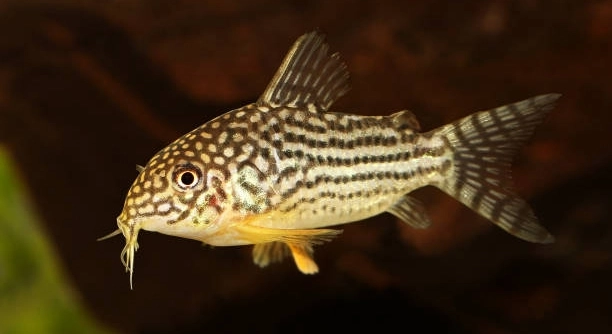
Overfeeding your Corydoras catfish can lead to a variety of health issues. It is important to monitor their food intake and recognize the signs of overfeeding to maintain a healthy environment for them.
Overfeeding your Corydoras catfish can result in bloating, excess waste, and poor water quality. Key signs to look for include slow swimming, difficulty swimming, food uneaten at the bottom, or sudden changes in behavior.
Understanding the signs of overfeeding is crucial for maintaining a healthy and thriving aquarium. By addressing these issues, you can ensure your Corydoras catfish remains in good health.
Signs of Overfeeding Your Corydoras Catfish
Overfeeding is a common issue for many fish owners, especially when it comes to Corydoras catfish. These little fish have small stomachs and can easily become overloaded with food. If you find leftover food sinking to the bottom or see a cloud of waste in your tank, it’s a clear sign that you may be giving your fish more than they can handle. This excess food can deteriorate water quality, making it harder for your fish to thrive. Over time, this can lead to stress and even illness. It’s essential to understand how much food your Corydoras needs to keep them healthy and your tank clean.
Your Corydoras catfish needs only a small amount of food at a time. Overfeeding can result in uneaten food, which can affect water parameters and the health of your fish. Consistent overfeeding can also cause them to become sluggish, as they won’t be as active while their stomachs struggle to process excess food.
The key to healthy feeding is moderation. Start with small portions and observe how much your Corydoras eat in a few minutes. This approach will ensure that they are getting the right amount of food without overwhelming their system. You’ll also notice that your tank stays cleaner and your fish remain more active.
Impact on Water Quality and Tank Health
Excess food and waste can have a significant effect on the water in your tank. As the uneaten food breaks down, it releases nutrients that can lead to higher levels of ammonia and nitrates. This can cause your fish to become stressed, making them more susceptible to diseases. Poor water quality also affects plants and other tank inhabitants, potentially leading to an imbalanced ecosystem. Maintaining water quality is one of the most important aspects of aquarium care, and monitoring your fish’s feeding habits can make a big difference.
Keeping the water clean is essential for your Corydoras catfish. When food decomposes in the tank, it introduces unwanted chemicals that affect water quality. Regular water changes can help, but avoiding overfeeding in the first place will make this process much easier. When water quality is poor, your fish may also exhibit unusual behaviors such as staying at the surface or hiding. It’s important to monitor all elements of your aquarium to create a healthy environment for your fish to thrive.
Maintaining good water quality starts with responsible feeding. Use a feeding schedule and avoid tossing food into the tank freely. This will help your catfish eat only what they need and reduce the chances of leftover food. It also makes water changes easier to manage, keeping your Corydoras in the best possible environment.
Slow Swimming and Lethargy
When Corydoras catfish are overfed, they may show signs of slow swimming or lethargy. This can occur because their digestive systems are working harder than usual to process the excess food. As a result, your fish may spend more time resting at the bottom of the tank or near decorations.
A lethargic Corydoras may appear less interested in exploring the tank, often remaining in one spot for longer periods. This behavior is a clear sign that they may be struggling with the effects of overfeeding. Over time, their sluggish movements could also make them more susceptible to health issues. Keeping an eye on their activity levels can help you spot the problem early and adjust their feeding routine.
Regularly monitoring their swimming patterns and behavior is key. If your Corydoras suddenly starts moving less than usual, it may be time to reassess their food intake. Reducing the amount of food offered and spacing out feeding sessions can help keep them more active and healthy.
Uneaten Food Left at the Bottom
Uneaten food left in the tank after feeding is another clear sign of overfeeding. Corydoras catfish are scavengers and usually eat quickly, but if they don’t consume all the food within a few minutes, it’s a sign that they’ve been overfed. This uneaten food can sink to the bottom and remain there, decomposing over time.
If you notice leftover food sitting in the substrate, it’s important to remove it quickly. Decomposing food can cause water quality issues, leading to the build-up of ammonia and other harmful substances. A build-up of uneaten food is also an indicator that you may be offering too much, which can lead to long-term health problems for your fish.
Feeding your Corydoras smaller portions will help avoid food waste. Aim to provide only what your fish can consume within a few minutes. This practice will keep your tank cleaner, reduce waste, and ensure that your fish are eating the right amount of food.
Changes in Behavior
Overfed Corydoras catfish may display changes in behavior, such as hiding more than usual or becoming less social. Their increased stomach load can make them feel uncomfortable or sluggish, leading to a drop in activity levels. These changes can often be traced back to excessive feeding.
The discomfort caused by overfeeding may also result in less interaction with tankmates. Corydoras are typically social and curious, but when overfed, they may withdraw. It’s important to monitor their behavior closely and adjust their feeding habits to help them return to their normal activity levels.
Bloating or Swollen Abdomen
Bloating is a common sign of overfeeding in Corydoras catfish. When they consume too much food, their stomachs may become visibly swollen, making them appear puffed up. This occurs because their bodies are struggling to process the excess intake.
A bloated abdomen is not only uncomfortable but can lead to more serious health issues if left unaddressed. It’s a clear indication that your catfish is eating more than needed. To prevent this, reduce the amount of food given and ensure they can finish it within a few minutes. Regular feeding control will help maintain their health.
Impact on Water Parameters
Excess food in the tank can quickly degrade water parameters, especially the levels of ammonia, nitrites, and nitrates. As uneaten food decays, it releases harmful substances into the water. These changes can lead to poor water quality, which stresses your Corydoras and other tank inhabitants.
When overfeeding occurs, it’s crucial to check water parameters frequently. Keeping the water clean and healthy not only prevents illness but also ensures the overall wellbeing of your fish. Regular water changes, combined with controlled feeding, will help keep these harmful substances in check and your tank in balance.
FAQ
What happens if I overfeed my Corydoras catfish?
Overfeeding can lead to a variety of problems for your Corydoras catfish. Excess food that isn’t eaten quickly will decay, affecting water quality. This can lead to harmful levels of ammonia, nitrites, and nitrates, which stress your fish and make them more vulnerable to diseases. Additionally, your fish may experience bloating, lethargy, and changes in behavior, such as hiding more often. Overfeeding also leads to uneaten food collecting at the bottom of the tank, which can further degrade water conditions.
How much should I feed my Corydoras catfish?
Corydoras catfish have small stomachs, so they don’t need large amounts of food. A good rule of thumb is to feed them a small amount that they can finish within a few minutes. You can feed them twice a day, providing only what they can consume in about 3-5 minutes. If there’s leftover food after this time, it means you’re overfeeding. Regularly adjusting the amount based on their appetite will help you avoid overfeeding.
Can overfeeding affect the tank’s water quality?
Yes, overfeeding directly impacts the water quality in your tank. As uneaten food breaks down, it releases waste products that raise ammonia, nitrite, and nitrate levels. These chemicals can poison the water and cause harm to your fish and other aquatic life. Poor water quality is often the root cause of many health problems in fish, including Corydoras catfish. By limiting the amount of food you provide, you can reduce waste buildup and maintain a cleaner, healthier tank.
How do I know if I’m overfeeding my Corydoras catfish?
If your Corydoras catfish are showing signs of slow swimming, bloating, or excessive hiding, it could be a sign of overfeeding. Another indicator is uneaten food left in the tank after feeding, especially if it’s collecting at the bottom. If you notice these signs, it’s time to cut back on the amount of food you’re providing. Monitoring your catfish’s behavior and the cleanliness of the tank will help you determine if you’re feeding them too much.
How often should I feed my Corydoras catfish?
Corydoras catfish generally need to be fed once or twice a day. They have small appetites and can’t eat large amounts at once. Overfeeding can lead to bloating, poor water quality, and stress. You should feed them a small portion that they can finish in a few minutes. If there’s leftover food after a few minutes, you should reduce the portion size. Consistent, smaller feedings will keep your fish healthy and prevent waste buildup.
What should I feed my Corydoras catfish?
Corydoras are omnivores and thrive on a varied diet. You can feed them high-quality sinking pellets, which are designed for bottom-dwelling fish. Supplement their diet with frozen or live foods like bloodworms, brine shrimp, and daphnia. Offering them a mix of plant matter, such as algae wafers, will also help meet their nutritional needs. Always ensure the food you provide sinks to the bottom, as Corydoras prefer eating from the tank floor.
How do I prevent overfeeding my Corydoras catfish?
To prevent overfeeding, establish a feeding routine. Offer only what your fish can eat in 3-5 minutes, and avoid feeding them too much at once. Monitor their behavior closely to ensure they’re not showing signs of overfeeding, such as bloating or sluggishness. If there’s leftover food after feeding, reduce the portion size next time. Regular water changes will also help maintain water quality and remove any uneaten food that may sink to the bottom.
Can overfeeding lead to illness in Corydoras catfish?
Yes, overfeeding can cause illness in Corydoras catfish. When they consume too much food, their digestive systems can become overwhelmed, leading to bloating or constipation. Additionally, the excess food that isn’t eaten will decompose, raising ammonia levels and harming water quality. Poor water quality weakens your fish’s immune system, making them more susceptible to infections and diseases. Reducing the amount of food and keeping the water clean will help prevent these health issues.
What are the signs of a healthy Corydoras catfish?
A healthy Corydoras catfish should be active and social, swimming around the tank with ease. They will eagerly search for food and interact with their tankmates. Their bodies should not be swollen or bloated, and they should have a normal appetite. Healthy Corydoras are curious and explore their environment, often burrowing in the substrate. If you notice any signs of lethargy, bloating, or behavioral changes, it may indicate an issue with their diet or water quality.
Should I use a feeding schedule for my Corydoras catfish?
Yes, establishing a feeding schedule for your Corydoras catfish is important for maintaining a healthy routine. A consistent feeding schedule ensures your fish receive the right amount of food at regular intervals. You can feed them once or twice a day, providing only what they can eat in a few minutes. This helps avoid overfeeding and keeps water quality stable. Sticking to a schedule will also allow you to monitor your fish’s appetite and behavior more easily.
Final Thoughts
Overfeeding your Corydoras catfish is something many aquarium owners encounter. It often happens when food is offered in larger quantities than the fish can consume. This results in leftover food accumulating, which not only affects the fish but also compromises the tank’s water quality. When food sits uneaten, it decays and releases harmful substances like ammonia, nitrites, and nitrates into the water. These chemicals can quickly build up, leading to poor water quality, which can stress your fish and make them more susceptible to illness. Maintaining a consistent feeding routine is essential to avoid this issue.
To ensure your Corydoras remain healthy, it’s important to only feed them what they can finish in a few minutes. Observing their behavior and watching for signs of overfeeding, like bloating or lethargy, can help you adjust the feeding amounts. Smaller portions, given at regular intervals, will keep your catfish active and healthy. By providing them with high-quality food and maintaining a balanced diet, you support their well-being while reducing the risk of overfeeding. This approach helps keep both your fish and your tank environment in good condition.
Remember, Corydoras catfish thrive in clean water with minimal disruption to their habitat. Overfeeding doesn’t just affect the fish but also creates extra work in tank maintenance. By reducing the amount of food, cleaning the tank regularly, and keeping an eye on water parameters, you can maintain a healthy environment for your fish. Ultimately, striking the right balance between feeding and tank upkeep will ensure that your Corydoras catfish live long, happy lives.

Hello,
If you enjoy the content that we create, please consider saying a "Thank You!" by leaving a tip.
Every little bit helps us continue crafting quality advice that supports the health, happiness, and well-being of pets around the world, for pets of all shapes, sizes, and species.
We really appreciate the kindness and support that you show us!