
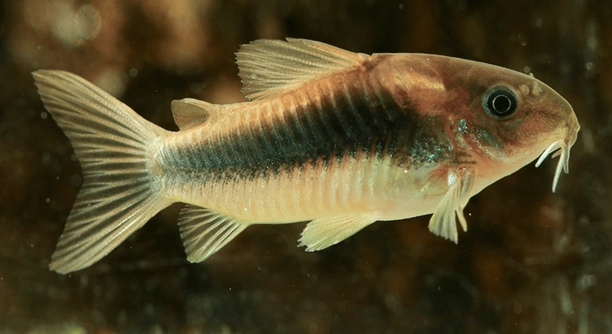
Corydoras catfish are social creatures that thrive in groups. If you notice unusual behavior in your fish, it may be a sign that they are feeling lonely. Understanding their needs can improve their well-being and happiness.
Corydoras catfish exhibit specific signs when they are lonely, including hiding more often, lack of interaction with tank mates, or unusual swimming patterns. Observing these behaviors can help identify loneliness and guide you in providing proper care and companionship.
Addressing their social needs is essential for their health and happiness. This article explores the signs of loneliness in Corydoras catfish and offers practical solutions to ensure their comfort.
Common Signs of Lonely Corydoras Catfish
When Corydoras catfish feel lonely, they often show distinct behaviors that can be easily noticed. One of the first signs is a sudden increase in hiding. Normally, these fish enjoy exploring and interacting with others, but when they are alone, they tend to hide more often, seeking safety in caves or plants. Their social nature means that isolation can make them anxious, leading to this behavior.
Another sign is a lack of interaction with other fish in the tank. Corydoras are peaceful creatures that usually swim and feed together in groups. If your fish isn’t participating in group activities or is swimming away from others, it may be a sign that it’s lonely and missing companionship.
A lonely Corydoras can also exhibit unusual swimming patterns. For instance, it may swim aimlessly or appear sluggish. This behavior is different from their usual energetic movements, where they are often seen darting around the tank or foraging for food. These changes suggest emotional distress due to isolation.
Why Companionship Matters for Corydoras
Corydoras thrive in social environments, where they interact and play with other fish. Being in the company of their own kind can reduce stress and increase overall well-being.
In the wild, Corydoras live in large schools. The presence of other Corydoras in their environment helps them feel safe and less stressed. A lack of companionship can cause significant emotional strain, leading to changes in behavior and overall health. Keeping a group of at least three or more Corydoras will help your fish feel more comfortable and secure. If a single fish is isolated, it may not only feel lonely but also more vulnerable to illness or stress.
If you’re unsure whether your Corydoras is lonely, observe its behavior closely. They often thrive when surrounded by others of the same species. Adding another Corydoras to the tank could significantly improve their quality of life.
What You Can Do to Help Your Corydoras
If you suspect your Corydoras is lonely, the best solution is simple: provide them with a companion. Adding a few more Corydoras to the tank will create a social environment that mimics their natural habitat. This can ease their anxiety and encourage more normal behaviors. Make sure the tank is large enough for them to move around freely.
It’s also important to monitor water conditions and tank setup. A stressed Corydoras is more susceptible to health issues. Clean water and a peaceful environment are essential. Be mindful of aggressive fish or overcrowding, as this can also contribute to their stress.
Lastly, don’t forget to feed them properly. While Corydoras are not particularly picky, a balanced diet that includes sinking pellets, live or frozen foods, and occasional treats will keep them healthy. Providing a comfortable and engaging environment will not only ease loneliness but also enhance the well-being of your fish.
Behavioral Changes in Lonely Corydoras
A lonely Corydoras can display several behavioral changes that set it apart from a well-socialized fish. They might seem less active and avoid foraging with tankmates, which are essential activities for these social creatures. Their usual lively nature can become sluggish, or they may stick to one corner of the tank more than usual.
The lack of interaction with other Corydoras may also lead them to swim in circles or appear confused. These actions are often signs of distress and loneliness. If a Corydoras starts spending most of its time at the bottom of the tank, it could be a sign that it feels isolated or vulnerable. Corydoras are used to being in groups where they can comfortably forage and move around.
In extreme cases, lonely Corydoras may even refuse to eat or show a reduced appetite. This behavior further indicates a lack of stimulation and the emotional toll of living without companions. It’s important to address these issues as soon as they appear.
Adding Companions for a Healthier Tank
Introducing additional Corydoras to a lonely tank is one of the best ways to address emotional distress. Adding just a few more of the same species can significantly reduce feelings of isolation. These fish are naturally social and feel safer when surrounded by their own kind.
When adding new Corydoras to your tank, ensure that there is enough space for all the fish to swim freely. Overcrowding can cause stress and worsen the situation. Make sure your tank has enough hiding spots and plants where the fish can retreat if needed. If there is an adequate number of Corydoras in the tank, they will create a natural social environment that fosters comfort and reduces loneliness.
The presence of other Corydoras also encourages normal behavior, such as group foraging and synchronized swimming. This positive environment helps them feel more secure, reducing the chances of stress-related health issues. It’s crucial to provide a balance of both companionship and space to ensure your fish are content.
The Importance of Proper Tank Setup
A well-maintained tank can play a crucial role in reducing loneliness and stress in Corydoras. The right environment allows them to feel secure and encourages natural behaviors. A tank with enough space and hiding spots helps make your Corydoras feel less isolated, providing both comfort and protection.
Ensure your tank includes plenty of hiding places, such as caves, plants, or decorations. This will offer your Corydoras a sense of security and a place to retreat when they need rest. Adequate space for swimming is equally important, allowing them to move freely without feeling confined. The right tank setup not only enhances their comfort but also improves overall health.
Water Quality and Temperature
Corydoras thrive in clean, well-maintained water. Poor water quality can increase stress levels, which may worsen the effects of loneliness. Regular water changes, filtration, and proper maintenance are necessary to keep your fish healthy and comfortable.
The temperature should also be carefully monitored. Corydoras prefer water temperatures between 72-78°F (22-26°C). Water that is too hot or too cold can make them feel stressed, which further impacts their behavior. Keeping these factors in check ensures that your Corydoras are living in an environment that supports their health and well-being.
Tankmates to Avoid
Certain fish species can make the loneliness of Corydoras even worse. Aggressive or overly territorial tankmates may stress out Corydoras, preventing them from interacting freely with others. Fish that chase or nip at their fins should be avoided.
When choosing tankmates, go for peaceful species that won’t compete for resources or space. Avoid larger or predatory fish that could threaten your Corydoras, as this can exacerbate feelings of fear or stress. Keeping Corydoras with compatible tankmates ensures they are able to form healthy social connections.
FAQ
How many Corydoras should I keep together?
Corydoras are social fish and should ideally be kept in groups of at least three or more. Keeping them in small groups can reduce their loneliness and make them feel more secure. A group will naturally interact with each other, swimming and foraging together, which is essential for their mental well-being.
In smaller tanks, you can still add a few Corydoras, but be mindful of space. The more Corydoras in the tank, the more natural their behavior will be. A larger school of Corydoras helps mimic their natural environment, promoting better social interactions. This will improve their overall health and happiness.
Can Corydoras live alone?
While Corydoras can technically survive alone, they are not solitary fish and often suffer from loneliness. Living alone can cause stress, lead to abnormal behavior, and negatively impact their health. These fish thrive in groups and will be much happier and healthier when kept with their own species.
If you notice your Corydoras hiding often or swimming aimlessly, it could be a sign that it is lonely. Adding another Corydoras or two will likely improve its behavior and well-being. Corydoras are known to be more active and energetic when they have company.
What tank size is best for Corydoras?
Corydoras need a tank that is at least 20 gallons, although a larger tank is preferable if you plan to keep a group of them. This gives them enough space to swim freely, explore, and interact with their tankmates. The more space they have, the less stressed they will be.
If you’re keeping multiple Corydoras, consider going for a tank size of 30 gallons or more. This ensures that each fish has enough space to establish its territory, which reduces the chances of territorial disputes or stress. Proper tank size helps maintain a healthy and comfortable environment.
Can Corydoras live with other fish?
Corydoras are peaceful fish that can live with many other species. They do best with tankmates that are not overly aggressive and share similar water and temperature preferences. Ideal companions include other peaceful species, such as tetras, guppies, or small livebearers.
Avoid keeping Corydoras with aggressive or larger fish, such as cichlids or predatory species, as they can stress your Corydoras and disrupt their social behavior. It’s important to choose tankmates that complement their peaceful nature and encourage a relaxed environment. This ensures that all fish in the tank coexist harmoniously.
What can I feed my Corydoras?
Corydoras are bottom-dwellers and prefer sinking pellets, which mimic the types of food they would find in their natural habitat. They also enjoy live or frozen foods, such as bloodworms, brine shrimp, and daphnia. These foods offer a balanced diet and provide the necessary nutrients for their growth and health.
Additionally, Corydoras can eat some vegetables, like blanched spinach or zucchini, which will help diversify their diet. Offering a variety of foods keeps them engaged and prevents boredom. Make sure to feed them in small amounts to avoid overfeeding, as leftover food can lead to water quality problems.
How often should I change the water in my Corydoras tank?
Regular water changes are essential to keeping your Corydoras healthy. Perform a 25-30% water change every two weeks, or more frequently if you have a heavily stocked tank. Clean water helps prevent harmful toxins from building up, which can stress your fish and lead to health problems.
Along with water changes, make sure to clean the tank substrate and any filter media. A well-maintained tank ensures that your Corydoras are living in a clean, comfortable environment that promotes their well-being. Regular water changes also help keep the oxygen levels in the tank at an ideal level for your fish.
What is the best temperature for Corydoras?
Corydoras thrive in water temperatures between 72°F and 78°F (22°C to 26°C). They are sensitive to drastic temperature changes, so it is important to keep the water within this range. A reliable aquarium heater can help maintain a stable temperature in your tank.
Make sure to avoid temperatures above 80°F (27°C) or below 68°F (20°C), as Corydoras may become stressed and more susceptible to illness in extreme temperatures. Keeping the water at the proper temperature ensures that your Corydoras stay comfortable and healthy.
How can I tell if my Corydoras is stressed?
Stress in Corydoras can be caused by a variety of factors, including poor water quality, inadequate tankmates, or loneliness. Signs of stress include hiding more than usual, reduced appetite, and unusual swimming behavior, such as erratic or sluggish movements.
If your Corydoras is exhibiting these signs, check the water parameters and tank conditions to make sure everything is optimal. Adding a few more Corydoras, improving the tank setup, and ensuring the water quality is high will help alleviate stress and make your fish feel more at ease.
Are Corydoras easy to care for?
Corydoras are relatively easy to care for, as long as their basic needs are met. They require clean water, appropriate tankmates, and a proper diet. Their peaceful nature and ability to thrive in a variety of tank conditions make them a good choice for beginner aquarists.
However, Corydoras are sensitive to poor water conditions and should be kept in tanks with stable, clean water. Regular maintenance and attention to tank setup will ensure your Corydoras stay healthy and happy. They are a great addition to any aquarium when properly cared for.
Final Thoughts
Corydoras catfish are social creatures that thrive in groups, making them wonderful additions to aquariums. Keeping them in pairs or small groups can significantly improve their well-being, as they are naturally inclined to interact with others. A lonely Corydoras can become stressed, which may lead to unhealthy behaviors and even physical health issues. By ensuring they are kept with compatible tankmates and in an appropriate environment, you are helping them live a more comfortable and fulfilling life.
The most important factors to keep in mind when caring for Corydoras are water quality, tank size, and a well-balanced diet. Regular water changes, maintaining a stable temperature, and offering a variety of food will contribute to their overall health. In addition, a tank that provides plenty of hiding spots and enough space to swim freely will help them feel secure. These small adjustments to their environment will not only make your Corydoras happier but also prevent potential health problems that can arise from poor tank conditions.
Caring for Corydoras is simple, but it requires consistency and attention to detail. The more you understand their needs, the easier it will be to provide the right environment for them to thrive. By making sure they are not lonely and are kept in a stable, clean tank with suitable tankmates, you can enjoy the beauty of these peaceful fish. With proper care, Corydoras will bring charm and energy to your aquarium for years to come.

Hello,
If you enjoy the content that we create, please consider saying a "Thank You!" by leaving a tip.
Every little bit helps us continue crafting quality advice that supports the health, happiness, and well-being of pets around the world, for pets of all shapes, sizes, and species.
We really appreciate the kindness and support that you show us!