
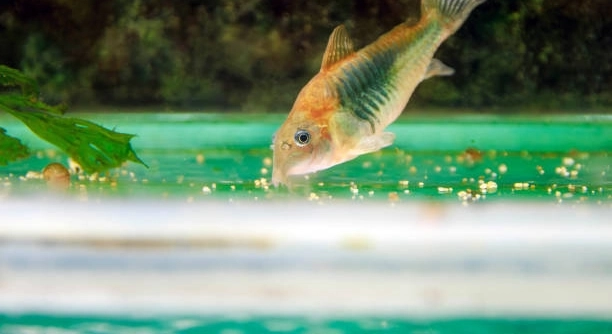
Are your Corydoras catfish looking sluggish or not as lively as they used to be in your community tank setup?
Keeping Corydoras catfish healthy and active in community tanks requires stable water parameters, regular feeding routines, appropriate tank mates, hiding spots, substrate choices, and a clean environment. These elements support both physical health and natural behavior.
From choosing the right substrate to setting up a stress-free space, each tip in this article will help support a thriving aquarium.
Provide Clean, Well-Oxygenated Water
Corydoras catfish need clean, oxygen-rich water to stay healthy and active. Regular water changes are essential to keep ammonia, nitrite, and nitrate levels in check. Aim for weekly water changes of 25–30%. Use a sponge filter or gentle air-driven system to maintain circulation without creating strong currents. Keep the tank temperature between 72–78°F (22–25°C), and make sure the pH stays stable between 6.5 and 7.5. Always condition tap water to remove chlorine and heavy metals. Test your water regularly to catch problems early and avoid sudden changes. Stable water conditions reduce stress and prevent disease, making your Corydoras more playful and interactive.
Clean water and proper filtration will help them thrive and encourage natural group behaviors in your community tank.
Choosing the right equipment, staying consistent with maintenance, and observing your catfish daily can help you quickly notice any unusual behavior. This way, you can act early if anything seems off.
Choose Gentle and Compatible Tank Mates
Corydoras do best with other peaceful fish that won’t stress or outcompete them. Avoid aggressive or territorial species that may nip at their fins or disturb them during feeding.
Ideal companions include small tetras, rasboras, guppies, mollies, and peaceful dwarf gouramis. These fish share similar water preferences and won’t interfere with your Corydoras’ habits. Since Corydoras like to stay in groups and scavenge the bottom, tank mates should mainly occupy the upper and middle layers. This helps avoid crowding and competition for space. It’s also helpful to avoid fast feeders, as Corydoras eat slower and may miss out during feeding times. Watching how your tank mates interact is important—some fish may seem peaceful at first but change behavior over time. Try introducing new fish gradually and monitor how everyone adjusts. A calm and balanced tank will support healthier, more relaxed Corydoras and prevent injuries or unnecessary stress in your aquarium.
Feed a Varied and Balanced Diet
Corydoras catfish need more than just leftover flakes to stay active. A mix of sinking pellets, frozen foods, and occasional live treats helps support their health and energy levels.
Sinking pellets designed for bottom feeders should be the base of their diet. These pellets are easy for them to find and eat. Supplementing with frozen bloodworms, brine shrimp, or daphnia a few times a week adds protein and keeps meals interesting. You can also occasionally offer blanched vegetables like zucchini or cucumber. Feeding should happen once or twice a day in small amounts. Remove uneaten food within a few hours to avoid water quality issues. Corydoras use their barbels to search for food along the bottom, so a fine substrate helps them forage safely without injury.
Corydoras are slow eaters and may be outcompeted by faster tank mates. Feeding them after lights out or using feeding dishes can help ensure they get enough. Keep an eye on their behavior and body shape to check if they’re eating well. If their bellies look sunken or they seem inactive, adjust the feeding method or schedule. Offering variety not only supports nutrition but also encourages more natural foraging activity and boosts their overall mood and appearance.
Use a Soft, Sandy Substrate
Rough gravel can damage Corydoras’ sensitive barbels, which they use to search for food. A soft, sandy substrate allows them to root around safely and supports their natural feeding habits without risk of injury.
Look for aquarium-safe sand options that don’t compact too tightly, such as pool filter sand or fine aquarium sand. Rinse thoroughly before adding it to your tank. This kind of substrate lets Corydoras sift through the grains easily, helping them stay engaged and active. Avoid sharp or coarse gravel, as it can lead to barbel erosion or infections. A sandy bottom also makes it easier to spot uneaten food and debris, which helps keep the tank clean. When paired with gentle filtration and routine maintenance, a sandy substrate creates a safer, more comfortable home for your Corydoras catfish and enhances their natural behavior during feeding and rest.
Add Hiding Spots and Plants
Corydoras catfish feel safer when they have places to hide. Use decorations like caves, driftwood, and smooth rocks to create shaded areas where they can rest without feeling exposed.
Live or artificial plants help break up the space and reduce stress. Heavily planted areas offer cover and promote natural behavior.
Maintain a Peaceful Environment
Avoid sudden loud noises or banging on the tank glass, as Corydoras are sensitive to vibrations. Keeping the tank in a low-traffic area helps reduce startle responses and allows them to relax.
Choose lighting that mimics a natural day-night cycle, and avoid overly bright conditions. Use floating plants to diffuse light and create a calmer setting. Consistent lighting helps your Corydoras maintain a regular activity rhythm. Reducing stress plays a big role in preventing disease and keeping your fish active. You’ll likely notice more group swimming and foraging when the tank environment stays peaceful and predictable.
Keep a Group of Corydoras Together
Corydoras are social fish and do best in groups of at least six. Keeping them in a group helps reduce stress and encourages active, natural behaviors like schooling and synchronized swimming.
FAQ
How many Corydoras should be kept together?
Corydoras catfish are social creatures and should always be kept in groups of at least six. A larger group helps mimic their natural environment and encourages them to swim and interact with each other. Keeping them in a group reduces stress and improves their overall well-being. A small group may leave them feeling anxious or isolated, which can lead to health problems. In addition, a group will encourage more active foraging and social behavior, which helps maintain their health.
Can Corydoras live with other fish?
Yes, Corydoras are peaceful and make great tank mates for many other species. They do best in community tanks with other non-aggressive fish. Some ideal tank mates include small tetras, peaceful rasboras, and mollies. It’s important to avoid keeping them with aggressive or territorial fish, as they may stress out the Corydoras or even cause harm. Be mindful of the size and temperament of potential tank mates. Avoid fish that are too large, fast, or aggressive, as they may outcompete Corydoras for food and space. Choose species that share similar water conditions to keep everyone healthy.
Do Corydoras need a filter?
Yes, a filter is important for maintaining water quality and oxygen levels in the tank. Corydoras thrive in clean, well-oxygenated water, and a filter helps remove harmful toxins such as ammonia and nitrate. However, it’s essential to use a filter that doesn’t create strong currents, as Corydoras prefer gentle water flow. A sponge filter or a gentle air-driven filter is ideal for keeping the water clean while not disturbing their natural behavior. Regular water changes (25-30% per week) should also be done to maintain optimal conditions.
What is the best substrate for Corydoras?
The best substrate for Corydoras is soft, fine sand. Sand allows Corydoras to sift through it while searching for food, which is a natural behavior for them. Avoid using sharp gravel, as it can damage their sensitive barbels. Sand also doesn’t trap debris as much as larger gravel, making it easier to keep the tank clean. If you choose to use gravel, ensure it has rounded edges and isn’t too sharp. Make sure the substrate is thick enough to allow for burrowing, which helps Corydoras feel secure and engaged.
How often should I feed my Corydoras?
Corydoras should be fed once or twice a day, depending on their activity level and your tank setup. Offer small amounts of sinking pellets or wafers designed for bottom feeders. It’s essential to avoid overfeeding, as uneaten food can pollute the water. You can also provide occasional treats, like frozen bloodworms, brine shrimp, or blanched vegetables. Corydoras are slow eaters, so if you have fast feeders in your tank, consider feeding them at different times or after the lights go out. Always remove uneaten food within a few hours to maintain water quality.
Do Corydoras need a heater?
Corydoras are tropical fish and prefer a stable water temperature between 72°F and 78°F (22°C to 25°C). If your tank’s temperature falls outside this range, you may need to use a heater to maintain consistent warmth. Sudden temperature changes can stress out Corydoras and make them more susceptible to illness. When choosing a heater, pick one that is appropriate for the size of your tank and make sure it has a reliable thermostat. Always check the temperature regularly to ensure it remains within the optimal range.
Can Corydoras breed in a community tank?
Yes, Corydoras can breed in a community tank, but it may require some attention to water conditions and their environment. To encourage breeding, you can lower the water temperature slightly (around 68°F or 20°C) and perform a water change with cooler water. Corydoras usually breed in groups, and the female will lay her eggs on surfaces like plants, glass, or decorations. The male fertilizes the eggs, which will hatch in about 3-5 days. If you want to raise the fry, consider separating the eggs into a breeding tank to protect them from other fish, as adult fish may eat them.
Why are my Corydoras staying at the surface?
If your Corydoras are staying at the surface, it could be a sign of oxygen deficiency or poor water quality. Corydoras typically prefer to stay at the bottom of the tank, where they feel secure. If they’re swimming at the surface, check your water parameters, particularly oxygen levels, pH, and ammonia. Ensure your filter is functioning well and providing adequate water movement without creating strong currents. If the water quality is good, your Corydoras may be stressed by other factors, like aggressive tank mates, sudden temperature changes, or insufficient hiding spots.
How long do Corydoras live?
Corydoras typically live between 5 and 10 years with proper care. The lifespan can vary depending on water conditions, diet, and overall tank environment. Ensuring that your Corydoras are kept in a well-maintained tank with the right temperature, clean water, and appropriate tank mates can help them live a long, healthy life. Regular water changes, feeding a balanced diet, and monitoring their health will contribute to their longevity.
Are Corydoras active at night?
Yes, Corydoras are often more active during dawn and dusk, but they can also be active at night. Since they are bottom dwellers, they tend to be more active during the evening or when the tank lights are dimmed. This behavior mimics their natural habitat, where they forage for food in the low-light conditions of the riverbed. To encourage natural activity, you can try feeding them after lights out or using a red or dim light during the night. Avoid disturbing them too much during these hours to keep them comfortable.
Do Corydoras need a lot of space?
While Corydoras don’t require a huge amount of space, they do need enough room to swim and explore. A tank that is at least 20 gallons is ideal for a small group of Corydoras. The more room they have to swim and interact with each other, the more active and healthy they will be. A larger tank will also help maintain better water quality, which is essential for their health. Avoid overcrowding the tank with too many fish, as this can lead to poor water conditions and stress. Providing enough swimming space will make for a more comfortable environment.
Final Thoughts
Corydoras catfish are peaceful, hardy, and fascinating creatures that can thrive in community tanks with proper care. Ensuring a stable, well-maintained environment is crucial for their health and activity levels. Their social nature requires them to be kept in groups, which not only reduces stress but also promotes natural behaviors like schooling and foraging. The right substrate, water conditions, and tank mates can go a long way in making sure your Corydoras feel comfortable and secure.
Regular water changes and the right filtration system are essential for keeping the tank clean and preventing harmful toxins from building up. Corydoras are sensitive to poor water quality, so ensuring the water is properly oxygenated and free from contaminants is necessary. Keep an eye on the tank’s temperature and lighting as well, making sure they mimic the peaceful, low-light environments Corydoras prefer. Consistent, calm conditions contribute to their well-being and can help reduce the risk of disease.
With proper care and attention, Corydoras catfish can live for many years and become active, engaging members of your aquarium. A balanced diet, appropriate tank mates, and enough space are all essential to their long-term health. By following these simple steps, you’ll ensure your Corydoras remain healthy, happy, and active, making your community tank a peaceful and thriving environment.

Hello,
If you enjoy the content that we create, please consider saying a "Thank You!" by leaving a tip.
Every little bit helps us continue crafting quality advice that supports the health, happiness, and well-being of pets around the world, for pets of all shapes, sizes, and species.
We really appreciate the kindness and support that you show us!