
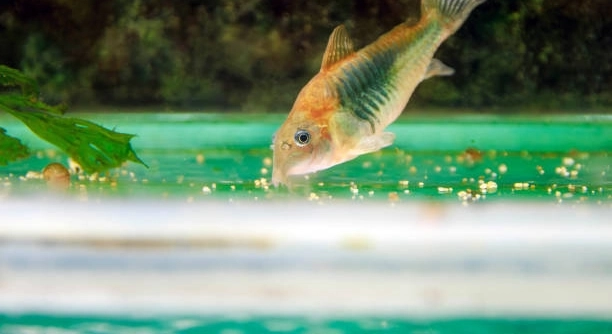
Corydoras catfish are popular aquarium fish, known for their friendly nature and playful behavior. Their diet plays a crucial role in their health and activity levels. Changing their diet can bring noticeable changes, which can be important to observe.
When introducing a new diet, changes in your Corydoras catfish’s behavior or health may indicate its reaction. These signs include changes in feeding habits, swimming patterns, and overall activity. Monitoring these signs ensures a healthy transition to new food.
Recognizing these signs early helps you make adjustments if necessary and ensures your fish’s well-being. Understanding their response to new food is essential for maintaining a thriving aquatic environment.
Signs Your Corydoras Catfish Might Be Struggling With a New Diet
When you introduce a new diet to your Corydoras catfish, the first signs to watch for are changes in their eating habits. If they suddenly stop eating or show disinterest in their food, it may be a response to the new diet. Keep in mind that Corydoras are bottom feeders, so they may take some time to adjust. However, a sudden refusal to eat can be a warning that the food does not suit them. Additionally, if you notice that the catfish are leaving large amounts of uneaten food behind, this could signal that the food is either too large or unappealing. The texture or smell of the food may not match their preferences, and they may avoid it altogether. It’s crucial to keep a close eye on how much food remains in the tank and adjust accordingly.
If you see a noticeable drop in their activity levels, this could also be linked to a new diet. A lack of interest in swimming or exploring could be caused by digestive discomfort.
The new food may be too rich for their system, or they might have trouble adjusting to unfamiliar ingredients. In addition to reduced activity, watch for changes in their usual behavior, like hiding more often than normal. Corydoras are social fish that usually enjoy interacting with tank mates. If they become more reclusive, it could be an indication that something isn’t right with their food. Another sign to consider is any visible signs of illness, such as bloating or discoloration of the body. This could be a result of poor digestion or an allergic reaction to certain ingredients. If you notice any of these symptoms, it’s best to return to their previous diet and consult with an expert before making further changes.
Checking for Digestive Issues
Digestive issues are common when introducing a new diet. A sudden change in food can upset their system, leading to bloating or constipation.
Corydoras catfish are sensitive to drastic dietary changes, so always make sure to transition gradually. A slow shift to new food allows their digestive system to adjust without causing discomfort. If bloating or irregular behavior persists, it might be necessary to choose a more suitable food option that matches their digestive needs.
Changes in Swimming Patterns
A sudden change in swimming patterns can be a sign that your Corydoras catfish is reacting poorly to its new diet. If your catfish becomes lethargic, spends more time resting at the bottom, or seems disoriented, it could be struggling with digestion or discomfort from the new food.
The catfish may also swim erratically or move slowly if their stomach is upset. While it’s normal for fish to occasionally adjust to new food, sudden behavior changes may indicate digestive issues or an unsuitable diet. In extreme cases, fish may swim in circles or near the surface, indicating distress. Watch their movements closely over the following days to identify whether the issue improves or worsens.
If these unusual swimming patterns continue, consider switching to a more compatible food type or returning to their original diet. Corydoras are typically active and playful, and persistent lethargy or odd movements may be a sign that they’re not tolerating the food properly. Adjusting their diet or feeding routine can help restore normal behavior.
Monitoring Skin and Fin Conditions
Changes in the appearance of your Corydoras catfish’s skin and fins could also indicate a reaction to the new diet. Look for any signs of discoloration or a duller appearance, which might be a sign of stress or an allergic reaction to certain ingredients in the food.
A shift in the color or texture of their skin can often be linked to nutritional imbalances or sensitivities to the new diet. If you notice fins becoming ragged or the skin showing signs of irritation, it’s important to address these issues promptly. These changes could signal more serious health problems if left untreated.
Maintaining consistent water quality is also crucial when changing diets. Poor water conditions combined with a new diet could stress your fish further, leading to more severe skin issues. A careful balance of food and tank environment is key to ensuring your Corydoras remain healthy.
Excessive Hiding Behavior
Excessive hiding can be a sign that your Corydoras catfish is not adjusting well to its new diet. If they’re spending much of their time in hiding spots, it could indicate stress or discomfort from the new food.
Corydoras are generally active and sociable. When they start hiding more than usual, it’s worth investigating if their new diet is causing them any distress. Consider reducing the change in their food or switching to a more familiar type to help them feel more at ease.
Excessive Waste Production
Excessive waste production can signal that your Corydoras catfish isn’t processing the new food properly. If you notice an increase in uneaten food or waste in the tank, this could indicate digestive issues.
An increase in waste could also be a sign that the food is too rich or not being fully absorbed by the fish’s system. This can lead to further health complications if not addressed. Monitor how much food your fish consumes and remove any excess to avoid water contamination.
Increased Aggression or Territorial Behavior
If your Corydoras catfish starts displaying increased aggression or territorial behavior, it could be a response to a new diet. A sudden dietary change can cause stress, making the fish more defensive or less tolerant toward others.
Corydoras are typically peaceful, bottom-dwelling fish, and any noticeable increase in aggression could be linked to discomfort or unease with the new food. Watch their interactions with other tank mates, as this change may also affect the overall dynamic of the aquarium. If aggression continues, reverting to their previous diet or offering smaller amounts of new food may help.
FAQ
How long does it take for Corydoras catfish to adjust to a new diet?
The time it takes for Corydoras catfish to adjust to a new diet can vary. Typically, it may take anywhere from a few days to a week for your catfish to adapt. However, if they show signs of stress, such as reduced appetite or unusual behavior, the transition could be taking longer than expected. Gradually introducing the new food over several days can help ease the process and minimize discomfort. If there’s no improvement after a week, it might be best to return to their previous diet or try a different food.
What should I do if my Corydoras catfish is not eating the new food?
If your Corydoras catfish isn’t eating the new food, first check if the food is properly sized and suitable for them. Sometimes, food that is too large or has a different texture can cause them to avoid it. Make sure the food is placed at the bottom of the tank, where Corydoras typically feed. You can also try soaking the food in water to soften it or add variety by offering a mix of foods. If they continue to refuse the new food, try transitioning back to their old diet gradually or try a different food that better suits their preferences.
Can a new diet cause my Corydoras catfish to become more aggressive?
Yes, a sudden diet change can cause stress in Corydoras catfish, leading to more aggressive or territorial behavior. When they are stressed from dietary changes, they may feel threatened, resulting in defensive actions toward other fish. If you notice this behavior, consider returning to their previous food or adjusting the amount and type of food you are offering. Ensuring that their environment is calm and that the food is easy to digest can help reduce aggression over time.
How can I tell if my Corydoras catfish is having digestive problems due to a new diet?
Signs of digestive problems in Corydoras catfish include bloating, constipation, or an increase in uneaten food left behind. If your fish appears to be swimming slowly, avoiding food, or struggling to pass waste, these may be signs that they are having trouble digesting the new food. In some cases, you may notice abnormal waste in the tank, such as stringy or abnormal-colored feces. If these symptoms persist, it’s important to switch to a different diet or consult a specialist for advice.
Is it normal for Corydoras catfish to stop eating when given a new diet?
It is not unusual for Corydoras catfish to temporarily stop eating when given a new diet. Fish can be hesitant about new foods, and it may take them a while to get used to the taste or texture. However, if the lack of eating continues for several days, it could indicate an issue with the food. Check for any signs of uneaten food left behind and consider whether the food is too large, unappetizing, or hard to digest. Gradually reintroducing their previous food or trying a different type of food may encourage eating.
Can I feed my Corydoras catfish the same food every day?
Feeding your Corydoras catfish the same food every day is not ideal. Variety in their diet is important to ensure they get all the nutrients they need. Offering different types of food, such as high-quality pellets, frozen or live foods, and vegetables, can help provide a balanced diet. It’s also important to monitor their health and make adjustments if you notice any signs of nutritional deficiencies or if they stop eating certain foods. A varied diet helps prevent boredom and provides the necessary nutrients for their well-being.
How do I know if my Corydoras catfish is reacting to a new diet or just stressed?
Distinguishing between stress from a diet change and general stress can be tricky. If your Corydoras catfish starts hiding more, shows signs of aggression, or becomes less active, it could be due to stress. If the signs are more pronounced after introducing a new diet, it is likely related to the food. You may also see other symptoms, like changes in eating habits or skin discoloration, which are directly linked to the food change. If the stress symptoms persist after a week, or worsen, you should consider adjusting the diet.
What are the best types of food for Corydoras catfish?
The best types of food for Corydoras catfish are those that are small, soft, and sink to the bottom of the tank. High-quality sinking pellets specifically designed for bottom-feeding fish are ideal. You can also offer live or frozen foods like brine shrimp, bloodworms, and daphnia. Additionally, fresh vegetables like cucumber or zucchini can be provided as a supplement. These foods mimic their natural diet and are easy for them to digest. Always avoid overfeeding and ensure that the food is consumed within a reasonable time to prevent water quality issues.
Why does my Corydoras catfish swim to the surface after eating new food?
Corydoras catfish typically stay near the bottom of the tank, so swimming to the surface after eating could indicate discomfort. This behavior may occur if the new food causes digestive distress, leading them to seek oxygen or escape from discomfort. If this behavior continues, it could be a sign that the food doesn’t suit their system. You may want to try a different type of food or revert to their previous diet. If the behavior persists, consult an expert or a veterinarian who specializes in fish health.
Can a new diet cause my Corydoras catfish to develop skin issues?
Yes, a new diet can cause skin issues in Corydoras catfish if they are not able to process the food properly. Signs like pale or discolored skin, lesions, or irritation could indicate a food-related issue. In some cases, allergies to certain ingredients or a nutritional imbalance may lead to these symptoms. If you notice changes in their skin, it’s important to switch to a different food or revert to their previous diet. Make sure to also check the water conditions to rule out environmental factors.
Final Thoughts
Changing the diet of your Corydoras catfish requires careful observation and patience. As with any fish, transitioning to a new food can cause temporary stress or discomfort, which can affect their behavior and overall health. It is important to monitor how your catfish reacts to the new diet, as signs of stress, such as increased hiding, aggression, or digestive issues, may indicate that the change is not suitable for them. The adjustment period may take time, so allowing them to gradually get used to the new food is essential for their well-being.
If you notice that your Corydoras catfish is not adjusting well to the new diet, it may be helpful to revert to their previous food or try a different type of food. Corydoras are bottom-dwelling fish, so it’s important to choose food that is designed to sink and is small enough for them to eat comfortably. Overfeeding can also lead to health problems, so it is crucial to provide the right amount of food to avoid any waste or water quality issues. Always pay attention to the food’s ingredients to ensure it provides the proper nutrition for your fish.
In the end, maintaining a balanced diet for your Corydoras catfish is key to their long-term health. Providing variety in their food, including both plant-based and protein-rich options, can help prevent deficiencies and promote better growth. It’s also important to keep their environment stable, with clean water and appropriate tank mates. Regular observation will help you recognize any signs of distress or poor health, allowing you to make timely adjustments to their diet. By being attentive to their needs, you can ensure that your Corydoras catfish thrive and enjoy a healthy, active life.

Hello,
If you enjoy the content that we create, please consider saying a "Thank You!" by leaving a tip.
Every little bit helps us continue crafting quality advice that supports the health, happiness, and well-being of pets around the world, for pets of all shapes, sizes, and species.
We really appreciate the kindness and support that you show us!