
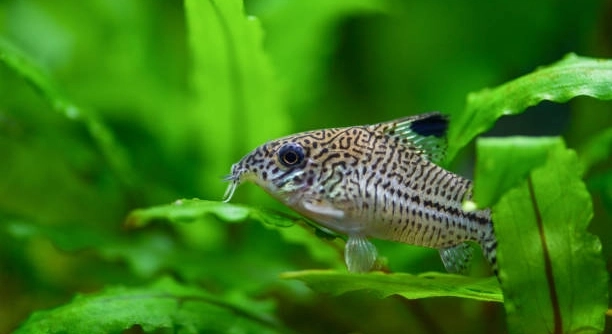
Are your Corydoras catfish always hiding behind decorations or disappearing under the gravel filter, making it hard to spot them during feeding time? These shy bottom-dwellers often seek comfort and safety in hidden spaces.
The best way to ensure your Corydoras catfish have plenty of hiding places is by adding natural decor such as caves, driftwood, and live plants. These items offer shelter, reduce stress, and support healthier, more active fish behavior.
Small changes in tank setup can create a big difference in their well-being. Let’s look at a few simple ways to improve their space.
Use Live Plants for Natural Shelter
Live plants do more than make your tank look nice—they give your Corydoras safe places to rest and hide. Plants like Java fern, Anubias, and Amazon sword offer broad leaves and root systems that create shaded areas. These spots help your fish feel calm and reduce their stress. Keeping live plants also supports better water quality, which adds to the comfort of your fish. If your Corydoras are less active or seem nervous, live plants can help change that. Make sure the plants are rooted well, so they don’t float around. A mix of tall background plants and smaller ones up front will help them feel more secure in every part of the tank. Once the plants are settled in, you’ll likely see your Corydoras out and about more often, swimming with more confidence. They’ll still have spots to retreat to, but they won’t be hiding all the time.
Keep the lighting soft, and choose low-maintenance plants that thrive in low light to avoid extra care work.
Avoid placing all the plants in one corner. Spread them throughout the tank to give your Corydoras a range of places to explore and hide. This also prevents overcrowding and allows for natural swimming behavior.
Add Caves and Tunnels
Use small ceramic caves, PVC pieces, or aquarium-safe rock structures. Spread them around so your Corydoras have options and don’t need to compete for space.
Caves and tunnels give Corydoras a quiet place to rest during the day and escape any sudden movement in the tank. These fish are often more active in low light or at night, so providing dark spaces can help mimic that environment. Choose caves that don’t have sharp edges and are small enough to feel secure but roomy enough for them to turn around inside. Tunnel systems made from smooth aquarium tubing or custom-made rock paths work great for a natural look. It’s also helpful to stack a few items carefully to create multi-level hiding areas. The key is variety—offer different shapes, heights, and materials. This not only adds interest to the tank but supports your fish’s instinct to explore and hide. Watch how they interact and adjust placements as needed to avoid crowding one spot.
Use Driftwood and Leaf Litter
Driftwood offers shade and hiding spots while also helping to slightly soften the water, which Corydoras prefer. Choose smooth, aquarium-safe pieces that won’t snag their delicate fins. Place them in different tank areas to create more natural cover across the bottom.
When arranged well, driftwood adds both structure and comfort. You can lean pieces against each other to form arches or place them flat to give your Corydoras something to rest under. Over time, driftwood may grow biofilm, which the fish will graze on. Indian almond leaves or other safe leaf litter can be scattered near the driftwood to add even more cover and help mimic the soft, leaf-covered floors these fish are used to in nature. The leaves break down slowly, releasing tannins that help your fish feel more at ease. Just make sure to monitor water conditions, as too many leaves can impact water clarity.
Driftwood also gives you a chance to attach plants like Java moss or Anubias, which adds even more hiding spaces without taking up extra floor space. Position taller pieces vertically in the back and flatter ones near the front. Keep some open areas in between so the fish can swim freely while still having quick access to shelter. Mixing driftwood types makes the tank more interesting.
Arrange Decorations with Purpose
Stacked rocks, small statues, and natural ornaments can work well if placed thoughtfully. Avoid over-decorating or blocking swimming space. Use different sizes to create a layered look with cozy spots underneath or behind each item.
Some decorations might look nice but don’t actually provide any real benefit to your Corydoras. Choose pieces that allow the fish to pass through or rest behind them. You can combine multiple items to build shaded corners, but always check for sharp spots or gaps where a fish could get stuck. Try not to cluster everything in one area of the tank. Instead, balance it out so that your Corydoras can move around without feeling exposed. When you place decorations near plants or driftwood, it creates a layered environment that feels more natural. Don’t forget to leave room at the front for feeding time—Corydoras like to sift through the substrate without bumping into things.
Keep Tank Mates Peaceful
Corydoras are peaceful and shy, so tank mates should be calm and non-aggressive. Avoid fast swimmers or fin-nippers that could stress them out or chase them away from their hiding places. Stick with small, gentle species.
Good companions include rasboras, tetras, and small livebearers. They help keep the tank lively without overwhelming your Corydoras.
Use a Dark Substrate
A darker substrate helps Corydoras feel safer by reducing glare and making the environment seem more secure. It also highlights their natural colors and makes hiding spots more effective. Choose soft gravel or sand that won’t harm their barbels or underside.
Avoid Overcrowding
Too many fish in one tank can cause stress and make hiding spots less effective. Give your Corydoras enough space to swim and hide without competition.
FAQ
How many hiding spots should I add for my Corydoras?
It’s best to include multiple hiding spots throughout the tank—at least one per fish is a good start. If you have six Corydoras, aim for six or more shelters. These can be caves, plant clusters, driftwood, or other decorations. Spread them out so each fish has access to shelter without needing to compete. Even if they don’t all use the spots at the same time, having choices helps reduce stress and makes them feel secure. Avoid grouping all hiding places in one area; distribute them across the tank to encourage healthy activity.
Do Corydoras hide a lot during the day?
Yes, it’s normal for Corydoras to hide more during daylight hours. They’re naturally more active in low light or in the evening. If your lighting is too bright or the tank feels too open, they’ll likely retreat into hiding to feel safe. Providing enough cover and keeping lighting soft can help encourage more visible behavior during the day. Some individuals are more shy than others, so don’t be surprised if some hide more often. As long as they come out to eat and explore now and then, it’s not usually a cause for concern.
Can I use fake plants instead of live ones?
Yes, artificial plants can also work well for hiding places, as long as they’re aquarium-safe and don’t have sharp edges. Choose soft plastic or silk varieties to prevent injury. They don’t improve water quality the way live plants do, but they still help reduce stress by breaking up the open space and creating shelter. Try combining fake plants with other decorations like driftwood or caves to build layered hiding areas. Just be sure they’re anchored properly, as floating plants may not give the same sense of cover.
Is sand better than gravel for Corydoras?
Sand is often the better choice because it’s softer and gentler on their barbels. Corydoras spend a lot of time at the bottom of the tank, sifting through the substrate for food. Rough gravel can cause irritation or injury. Fine sand lets them dig naturally without damage. If you prefer gravel, look for a smooth, small-sized type and avoid sharp pieces. Keeping the substrate clean is also important, since waste buildup can affect their health over time.
Why do my Corydoras keep hiding and not swimming around?
Corydoras will hide more if they feel unsafe, stressed, or if the tank is too bright or noisy. Make sure they have plenty of cover and that their tank mates aren’t bothering them. Sometimes a new environment or sudden changes in water conditions can cause shy behavior. Check your water parameters, temperature, and look for signs of illness or injury. Once they feel more secure and comfortable, they should start swimming around more, especially in groups.
How do I know if my Corydoras are comfortable with their hiding places?
If your Corydoras come out to explore, eat well, and return to hiding spots calmly, that’s a good sign they feel secure. They shouldn’t be darting around or hiding constantly. Comfortable fish will rest quietly in shaded spots, move together in small groups, and sift through the substrate. Seeing them out and about regularly—especially during feeding time—is a great indicator that their environment meets their needs. Adjust shelter placement as needed if they all crowd into one area or avoid certain parts of the tank.
Do hiding spots affect Corydoras breeding behavior?
Yes, hiding spots can help create a safe and calm environment that encourages breeding. When Corydoras feel secure and the water conditions are right, they’re more likely to spawn. Provide broad leaves or smooth surfaces for egg laying, and keep tankmates peaceful. Shaded areas and a low-stress environment support natural behavior. While they may not use caves to breed in the same way as some other species, they still benefit from the overall comfort and security that hiding places provide.
Final Thoughts
Creating a tank that helps your Corydoras feel safe is not difficult, but it does take a little planning. These fish are peaceful, shy, and sensitive to changes in their environment. By giving them plenty of hiding places, you’re helping reduce stress, which supports better health and more natural behavior. Whether it’s live plants, caves, driftwood, or even soft fake plants, each option can provide comfort and shelter. What matters most is that the hiding places are easy to reach, spread throughout the tank, and made from safe materials. A calm, balanced environment can make a big difference for these bottom-dwelling fish.
When Corydoras feel secure, they’re more likely to be active, swim around in small groups, and show their full range of behaviors. You might see them foraging in the substrate or exploring different corners of the tank. If they’re constantly hiding or seem scared, it usually means something needs to change. Adding more cover, softening the lighting, or checking the water conditions may help. Watching their behavior can guide you in knowing what works and what doesn’t. Each fish is a little different, but in general, more hiding options will always support a healthier, more relaxed tank.
Good hiding places are not just useful—they also make the tank more interesting to look at. A mix of natural textures, gentle lighting, and layered decorations gives the tank a calm, pleasing look. You don’t need to fill every space, but you do want to offer enough shelter so your Corydoras can choose where they feel most comfortable. Try to keep their needs in mind when setting up or rearranging the tank. With a few thoughtful choices, you can create a peaceful space that works for both the fish and you. A well-planned tank allows your Corydoras to thrive, and it makes watching them a much more enjoyable experience.

Hello,
If you enjoy the content that we create, please consider saying a "Thank You!" by leaving a tip.
Every little bit helps us continue crafting quality advice that supports the health, happiness, and well-being of pets around the world, for pets of all shapes, sizes, and species.
We really appreciate the kindness and support that you show us!