
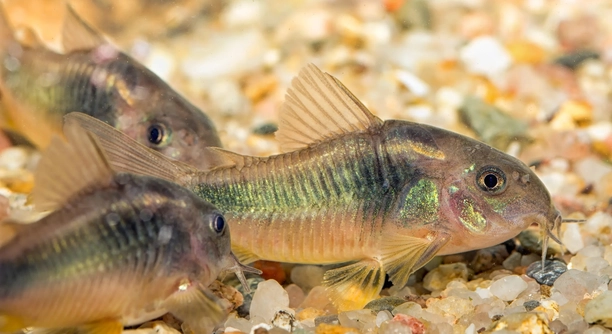
Corydoras catfish are popular aquarium pets known for their peaceful nature. They enjoy the company of their own kind, and if they’re left alone too long, they may show signs of loneliness.
Corydoras catfish can experience loneliness, especially if kept alone for extended periods. They are social creatures and tend to thrive in groups. Lack of companionship may cause stress, affecting their health and behavior.
Recognizing the symptoms of loneliness in your Corydoras is important for maintaining their well-being. In this article, we will highlight the signs to watch for and provide tips to keep your fish happy and healthy.
How to Spot Signs of Loneliness in Corydoras Catfish
Corydoras catfish are social creatures that prefer to live with others of their kind. When alone, they can become stressed, leading to changes in their behavior and health. Some signs of loneliness include staying hidden for long periods, decreased activity, or refusal to eat. It’s essential to observe their behavior closely to spot any issues early. Corydoras are usually active and playful, so when these signs appear, it could mean they need company. Keeping them with at least one other catfish can help reduce loneliness and improve their overall health.
Fish are often more affected by loneliness than we think. It’s not just about being together for companionship; they rely on social interactions for well-being. Without these interactions, Corydoras may become more vulnerable to stress and illness, so it’s important to address the issue quickly.
The best solution to preventing loneliness is to keep Corydoras in groups of three or more. This creates a more comfortable environment for them, reducing the chances of stress. When they have the company of their kind, they tend to swim more freely and interact with each other. Additionally, ensuring that their aquarium is large enough to accommodate a group can help ease their anxiety. Regular maintenance of their environment and monitoring their behavior are essential steps to keeping them happy. With these adjustments, your Corydoras will thrive and stay healthy.
Why Corydoras Need Companionship
A single Corydoras catfish can become quite lonely and stressed without other fish around.
Corydoras catfish are schooling fish, meaning they prefer to be in groups for emotional and physical well-being. When placed alone, they may become lethargic or refuse to eat, showing clear signs of loneliness. They feel much safer and more secure in groups, as they can engage in behaviors like foraging, swimming together, and even resting in a group. In the wild, Corydoras are rarely found alone, so isolation in an aquarium can be harmful to them. It is important to remember that these fish thrive when they have at least one or two companions by their side.
A group of Corydoras also provides them with opportunities for more natural behaviors. These behaviors include schooling, exploring, and engaging with each other for protection. Even though they don’t require constant interaction, having others around keeps them more active and less stressed. Moreover, being part of a group helps them feel less vulnerable to threats, even in an aquarium environment. Not only will they feel less isolated, but their overall quality of life will be significantly improved with the company of other Corydoras.
How Loneliness Affects Corydoras Catfish Health
When Corydoras catfish are lonely, it can lead to a weakened immune system. They may become more susceptible to illness or infections, especially when under stress. Prolonged loneliness can even cause them to become physically weaker, which can shorten their lifespan.
Stress from being alone affects their overall behavior. A lonely Corydoras may stop swimming and hide for long periods, showing little interest in food. Stress also lowers their ability to fight off diseases. If their environment isn’t changed, these symptoms can worsen. Corydoras need social interaction to stay active, so if they appear lethargic, it’s time to consider adding a companion.
In addition to their health, loneliness can affect a Corydoras’ natural behavior. These fish are naturally curious and love exploring their surroundings. When they are alone, they may stop exploring and sit at the bottom of the tank. This change in behavior shows that they are stressed and not in an optimal environment. Keeping them with at least one other catfish encourages them to be more active and engage with their surroundings, improving both their mental and physical health.
Ideal Tank Setup for Corydoras
Corydoras catfish do best in tanks that are well-structured with hiding spots and plenty of swimming space.
Corydoras are bottom-dwelling fish, so having a tank with a soft substrate is essential. Gravel or fine sand works best, as it protects their sensitive barbels. Make sure there are no sharp edges or rough spots that could cause injury. Also, providing plenty of hiding places, such as plants or decorations, will help reduce stress and give the fish a sense of security.
The tank should also have plenty of open swimming space for the Corydoras to explore and interact. A good filtration system is important as well, since they prefer clean water with low to moderate water movement. Regular water changes are necessary to keep the environment healthy and to help reduce any stress caused by poor water quality. Keeping the tank well-maintained ensures that your Corydoras will have the best chance at living a long, happy life, especially when they are surrounded by companions.
Signs Your Corydoras Is Lonely
If your Corydoras is hiding often or staying in one spot, it could be a sign they’re lonely.
Another indicator is if they appear less active than usual, swimming only occasionally. Loneliness leads to reduced energy and a lack of interaction with the environment. Keeping a close eye on these changes helps to detect loneliness early.
How to Help a Lonely Corydoras
To help a lonely Corydoras, the best solution is adding more catfish. At least one or two companions can greatly improve their well-being.
Adding fish of similar size and behavior ensures they feel comfortable. It’s important to create a social group in the tank. When they have others to interact with, they will regain their energy and activity levels.
FAQ
How many Corydoras should be kept together?
Corydoras are social fish and should be kept in groups of at least three or more. They are naturally inclined to school with others of their kind. Keeping them in small groups can help prevent loneliness and stress, allowing them to engage in natural behaviors like exploring and interacting. A group of three is the minimum, but a larger group of five or more is ideal for their well-being.
Can Corydoras live alone?
While Corydoras can technically survive alone, it’s not recommended. They can become lonely and stressed if kept in isolation. A lack of companionship leads to inactivity, hiding, and potential health problems. Even though they don’t need constant interaction, they thrive when kept with other Corydoras or peaceful fish.
What should I do if my Corydoras is hiding all the time?
If your Corydoras is hiding frequently, it could be a sign of loneliness, stress, or an unhealthy environment. Start by adding another Corydoras or two to the tank. Ensure the water quality is good and that the tank has plenty of hiding places. If the behavior continues, check for signs of illness, as hiding can also be a symptom of sickness.
How can I tell if my Corydoras is stressed?
Stressed Corydoras may exhibit several signs, including reduced activity, hiding more than usual, or erratic swimming. They may also stop eating or appear more lethargic. Stress can be caused by poor water quality, lack of social interaction, or an overcrowded tank. Monitoring their behavior closely and addressing potential causes of stress is key to their health.
Can Corydoras live with other types of fish?
Yes, Corydoras can live with other peaceful fish, as long as they share similar water temperature and tank conditions. They do well with species like tetras, guppies, or other non-aggressive fish. However, avoid keeping them with larger, more aggressive fish that might bully or harm them.
What is the best tank setup for Corydoras?
Corydoras need a tank with a soft substrate, like fine sand, to protect their sensitive barbels. A well-maintained filtration system is also important, as they prefer clean water with low to moderate water movement. The tank should have plenty of hiding spots, plants, or decorations to give them a sense of security. A group of Corydoras will benefit from having ample swimming space to reduce stress.
How often should I feed my Corydoras?
Corydoras should be fed 2-3 times a day with small portions. They are bottom feeders and will scavenge for food. However, to make sure they are getting enough nutrition, provide sinking pellets or specialized food for bottom-dwelling fish. Overfeeding can lead to water quality issues, so always feed in moderation.
What should I do if my Corydoras isn’t eating?
If your Corydoras isn’t eating, check for signs of stress or illness. A sudden lack of appetite can indicate water quality problems, such as high ammonia levels or temperature fluctuations. Additionally, stress from loneliness or aggression from other fish could cause them to stop eating. Make sure the water conditions are ideal, and consider adding more Corydoras to reduce stress.
How do I know if my Corydoras is healthy?
A healthy Corydoras should be active, social, and have a good appetite. They should be swimming around the tank, interacting with other fish, and foraging for food. Healthy Corydoras have clear, vibrant coloring and no visible signs of illness, such as white spots, fin damage, or bloated bodies. If you notice any of these issues, take immediate action to improve their environment and health.
Can Corydoras be kept with snails?
Yes, Corydoras can live peacefully with snails. They won’t bother snails, and snails won’t harm the Corydoras. In fact, snails can help clean the tank by eating algae and leftover food, benefiting the overall aquarium ecosystem. Just ensure that the snails aren’t too large or aggressive for the Corydoras to feel safe.
Do Corydoras need a heater?
Yes, Corydoras prefer stable water temperatures, usually between 72°F and 78°F (22°C-26°C). If you live in a cooler climate or your tank fluctuates in temperature, it’s a good idea to use a heater to maintain a consistent environment. This helps prevent stress and keeps the fish healthy.
What is the best water temperature for Corydoras?
Corydoras prefer a water temperature range of 72°F to 78°F (22°C to 26°C). If the water is too cold, they may become sluggish and stressed. If it’s too warm, they can become more susceptible to disease. Regularly monitor the water temperature to keep it within this range.
Do Corydoras like a lot of water flow?
Corydoras do not like strong water flow. They prefer low to moderate water movement, as it mimics their natural environment. Strong currents can cause stress and make them feel unsafe. If your tank has a powerful filter, consider adding a pre-filter sponge or placing it in a location that reduces the current.
How can I improve my Corydoras’ social life?
To improve your Corydoras’ social life, keep them in groups of at least three or more. They thrive when they can interact and school together. Make sure the tank has plenty of hiding spots and space for swimming. Adding more Corydoras or peaceful tank mates can improve their social behavior and reduce loneliness.
What are some common diseases that affect Corydoras?
Corydoras can be affected by various diseases, including Ich (white spot disease), fin rot, and bacterial infections. Poor water quality is often the main cause of these issues. Regular water changes, maintaining proper filtration, and ensuring the fish are not stressed will help prevent diseases. If you notice unusual behavior or physical symptoms, it’s important to take action quickly.
Can Corydoras breed in captivity?
Yes, Corydoras can breed in captivity if the conditions are right. They need a well-maintained tank with stable water parameters. To encourage breeding, provide a varied diet, and simulate seasonal changes, such as slightly lowering the water temperature or changing the water to trigger spawning. When they breed, the female will lay eggs on flat surfaces, and the male will fertilize them.
Why are my Corydoras’ barbels worn down?
Worn-down barbels in Corydoras are often a sign of rough substrate or poor water quality. If the substrate is too rough, it can damage their sensitive barbels while they search for food. Switching to a fine, soft sand substrate will protect their barbels. Additionally, maintaining good water quality is essential to prevent any damage or infection.
Final Thoughts
Corydoras catfish are social creatures that thrive when kept in groups. If you notice that your fish is behaving differently, such as hiding often or showing less interest in food, it might be a sign that they’re feeling lonely or stressed. Corydoras rely on companionship to maintain their health and well-being, so keeping them in a group of at least three will help reduce stress. A single Corydoras without the company of others can experience a decline in both physical and mental health.
It’s also important to provide an appropriate environment for your Corydoras. A tank with soft substrate, plenty of hiding places, and a good filtration system can create the ideal habitat for them to feel secure. In addition, maintaining a stable water temperature and quality is essential for their overall health. Regular tank maintenance, including water changes, will help prevent diseases and keep your Corydoras active and happy. If you notice any signs of illness or distress, make sure to address the problem quickly by adjusting their environment or seeking proper treatment.
Ultimately, keeping Corydoras catfish happy is a simple matter of ensuring they have the right social environment and a healthy, stable habitat. By providing them with the right conditions and companions, you can help your Corydoras live a long, healthy life. Monitoring their behavior and making adjustments when needed will ensure they are content and free from stress. If you’re considering adding Corydoras to your aquarium, keep in mind that their happiness depends on social interaction and a well-maintained tank.

Hello,
If you enjoy the content that we create, please consider saying a "Thank You!" by leaving a tip.
Every little bit helps us continue crafting quality advice that supports the health, happiness, and well-being of pets around the world, for pets of all shapes, sizes, and species.
We really appreciate the kindness and support that you show us!