
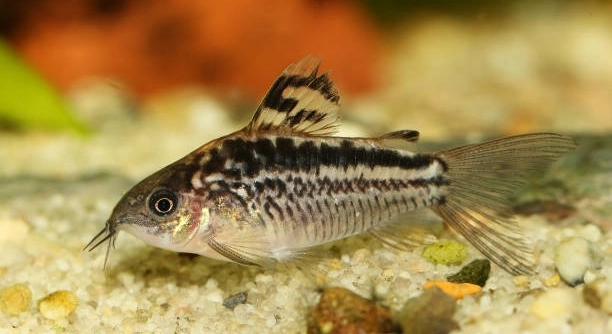
When introducing new tank layouts, it’s important to ensure your Corydoras catfish adjust smoothly. These fish can be sensitive to changes, and with a few adjustments, you can make the transition easier for them.
To help your Corydoras catfish adjust to a new tank layout, consider reducing water movement, rearranging hiding spots, and maintaining stable water conditions. Providing familiar objects and gradually introducing changes will minimize stress and allow your fish to adapt more easily.
By taking these simple steps, you can create an environment where your Corydoras feel more at ease.
Reduce Water Movement
Corydoras catfish are naturally accustomed to calm waters, and when placed in an environment with heavy currents, they can experience stress. Sudden water movement changes can make it difficult for them to adjust. Ensuring your tank has moderate water flow will help create a comfortable space for your fish.
A sponge filter is an excellent tool to maintain low water movement while still providing adequate filtration. By positioning it in a corner or in a way that minimizes direct flow, you can help keep your catfish safe and relaxed.
Consider observing your Corydoras after implementing this change. If they become more active and appear less stressed, it’s a clear sign that the water movement is well-suited to their needs. Maintaining stable water flow will ensure their comfort as they settle into their new home.
Add Hiding Spots
Corydoras catfish are shy creatures that thrive when they have plenty of places to hide. Adding caves or plants in strategic areas will provide them with the security they need.
The fish will seek out these spaces to feel safe, especially during times of stress or when they need some rest. Simple decorations, such as small caves or dense plant groups, can work well.
In addition to helping with physical comfort, hiding spots also reduce stress from other tank inhabitants. Corydoras will feel more secure in an environment where they have a choice of secluded areas. It’s important to monitor their behavior and make sure they use these spots regularly.
Maintain Stable Water Conditions
Corydoras catfish are sensitive to fluctuations in water parameters, so keeping the water conditions stable is crucial for their well-being. Monitor temperature, pH, and hardness regularly to ensure they remain within the appropriate range.
A consistent temperature of around 72-78°F (22-26°C) is ideal for Corydoras. Sudden drops or rises in temperature can cause stress. Regular water changes and maintaining a reliable filtration system can help stabilize conditions, preventing spikes in ammonia, nitrites, or nitrates that may stress the fish.
If possible, use a heater with a thermostat to keep the water temperature steady. Keeping the tank clean by performing regular water changes ensures that your Corydoras remain in a healthy and stress-free environment. Stability is key to reducing any unnecessary strain on their bodies, especially during the adjustment period.
Gradually Introduce Changes
When altering the tank layout, it’s best to make changes gradually. Corydoras are not accustomed to sudden shifts in their environment, so easing them into new setups will reduce stress.
Start by changing one area of the tank at a time. This allows your fish to become familiar with the alterations before introducing further changes. Avoid complete overhauls, as the sudden lack of familiar landmarks can disorient them and increase anxiety. Allow some time for them to adjust before proceeding with additional changes.
Keeping their habitat stable during this period is just as important as the changes themselves. As they become accustomed to each small adjustment, they’ll feel more secure and be better prepared for the next. Patience is essential for their smooth transition.
Provide Familiar Objects
Incorporating familiar objects from the previous tank layout can ease the transition for your Corydoras. Items like decorations, plants, or substrate will provide a sense of security.
These familiar objects help your fish feel more at home, reducing stress during the adjustment period. They provide visual landmarks that your Corydoras can recognize.
Avoid Overcrowding the Tank
Avoid overloading the tank with too many decorations or fish. A crowded tank can create additional stress and disrupt your Corydoras’ ability to find comfort. Maintaining adequate space helps them feel more at ease.
Overcrowding can also lead to issues with water quality, which may stress the fish. It’s important to keep the tank spacious and clean to ensure your Corydoras can adjust smoothly.
Maintain a Regular Feeding Schedule
Corydoras thrive on a consistent feeding schedule. Providing food at the same time each day helps them feel secure and maintain a healthy routine.
Overfeeding can lead to water quality problems, while underfeeding may cause stress. Stick to small, regular feedings to meet their nutritional needs and reduce potential issues.
FAQ
How long does it take for Corydoras to adjust to a new tank layout?
The adjustment period for Corydoras can vary, but it usually takes about 1-2 weeks for them to fully adapt. During this time, they may seem more cautious or hide more than usual. Providing a stable environment and gradually introducing changes will help them settle in faster.
Can Corydoras adjust to drastic changes in tank layout?
Corydoras are sensitive to significant changes in their environment. Drastic changes can cause stress, making it harder for them to adjust. It’s best to introduce small, incremental adjustments over time rather than making sudden, large changes to their tank layout. This reduces anxiety and allows your fish to become familiar with the changes.
What should I do if my Corydoras are not eating after the tank layout change?
If your Corydoras stop eating after a tank layout change, it’s likely due to stress. Ensure the water conditions are stable, and check if the water flow is too strong or if they feel overwhelmed by new hiding spots. Giving them time to adjust and reducing stress factors usually helps.
How do I prevent my Corydoras from becoming stressed during tank changes?
To prevent stress, keep water conditions stable, avoid drastic changes, and add hiding spots where they feel secure. Gradually introduce changes and ensure the tank is not overcrowded. Keeping their routine consistent and providing familiar objects can also help reduce anxiety during the transition.
Can I add new Corydoras to a tank that’s still adjusting to a new layout?
It’s not ideal to add new Corydoras while the tank is still adjusting. Introducing new fish during this period can increase stress for both the existing and new fish. Allow the current fish to adjust first before adding any new members to the tank.
Should I monitor my Corydoras more frequently after the tank layout change?
Yes, it’s important to monitor your Corydoras closely after making changes. Look for signs of stress, such as hiding, loss of appetite, or unusual swimming behavior. Keeping an eye on them helps ensure they’re adjusting well and allows you to address any potential issues early on.
How can I tell if my Corydoras are adjusting well to the new tank layout?
Signs that your Corydoras are adjusting well include increased activity, eating regularly, and exploring the new layout without excessive hiding. If they appear calm, swim confidently, and interact with their surroundings, it’s a good sign they are settling in.
Is it safe to rearrange the tank while Corydoras are still adjusting?
Rearranging the tank while Corydoras are adjusting should be done with caution. If the fish have not fully settled into the new layout, rearranging can cause additional stress. Wait until they are more comfortable in their environment before making further changes.
What type of substrate is best for Corydoras after a tank layout change?
Corydoras prefer soft, smooth substrates like sand. This mimics their natural habitat and prevents damage to their barbels. When making a layout change, ensure the substrate is gentle and easy for them to navigate. Avoid sharp rocks or coarse gravel, as these can irritate their sensitive barbels.
How often should I clean the tank during the adjustment period?
During the adjustment period, clean the tank as needed to maintain water quality but avoid disturbing the environment too much. Perform partial water changes and remove any excess waste. However, it’s important not to clean the tank too frequently, as this can disrupt the fish’s adjustment process.
Final Thoughts
Helping your Corydoras catfish adjust to a new tank layout doesn’t have to be a difficult process. By making small, gradual changes and maintaining stable water conditions, you can provide a comfortable environment for your fish. Corydoras are sensitive to sudden changes, so a calm and consistent approach will help them settle in more easily. Start with a few simple adjustments, such as reducing water movement and adding hiding spots, and give your fish time to adapt before making further changes.
The key to a successful transition lies in patience. Corydoras need time to adjust to their new surroundings, and rushing the process can cause unnecessary stress. It’s important to monitor their behavior during this period and watch for any signs of discomfort. If your fish appear stressed, try to identify the cause, whether it’s water quality, tank overcrowding, or too many changes at once. Providing a stable, stress-free environment is the best way to help them thrive after a layout change.
With the right care, your Corydoras will soon feel at home in their new setup. By keeping the water conditions stable, maintaining a consistent feeding schedule, and ensuring plenty of hiding spots, you’ll create a space where your fish can live comfortably. Over time, they’ll grow accustomed to the changes, and you’ll see them swimming confidently and engaging with their environment. Keep in mind that every fish is different, and some may take longer to adjust than others. As long as you remain attentive and patient, your Corydoras will eventually settle into their new home.

Hello,
If you enjoy the content that we create, please consider saying a "Thank You!" by leaving a tip.
Every little bit helps us continue crafting quality advice that supports the health, happiness, and well-being of pets around the world, for pets of all shapes, sizes, and species.
We really appreciate the kindness and support that you show us!