
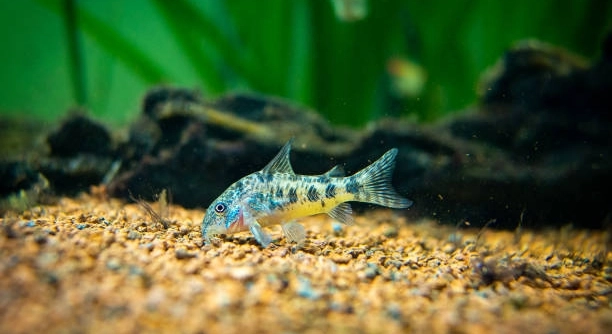
Corydoras catfish are peaceful creatures that thrive in a community tank. Observing their behavior can help you determine if they are comfortable with their tank mates. Understanding their body language will ensure a harmonious aquarium environment.
Corydoras catfish display specific signs when they are comfortable with tank mates. These include relaxed swimming, lack of aggression, and positive interactions with other fish. Monitoring these behaviors can indicate a healthy and peaceful tank dynamic.
Recognizing these signs can help maintain a peaceful tank where all species coexist without stress.
Signs Your Corydoras Catfish Is Comfortable with Tank Mates
When your Corydoras catfish is happy with its tank mates, it will usually swim in peaceful patterns and avoid hiding too much. These catfish are known for their calm nature, which makes them ideal for community tanks. They may interact with other fish in the tank, but their behavior is generally peaceful. Observing how your Corydoras reacts to new fish or changes in the tank setup can tell you if they feel comfortable or stressed.
A Corydoras that feels safe and content with its tank mates will often be seen swimming near other species without displaying signs of aggression. They prefer gentle companions and thrive in peaceful environments.
It’s also important to monitor their body language. Corydoras will usually swim near the substrate, using their barbels to explore. If they seem more active or spend time around other fish, it’s likely they are comfortable. However, excessive hiding or erratic behavior could be a sign of stress. Understanding how they interact with their environment and tank mates can provide insight into their comfort levels.
How to Identify Stress in Corydoras Catfish
Stress can manifest in Corydoras catfish through several behaviors. If they suddenly start hiding more often or become less active, it could be a sign that something is bothering them. This stress might be caused by aggressive tank mates or environmental changes that affect their comfort. Corydoras catfish are sensitive to changes in water parameters, like temperature or pH, which can also contribute to their stress.
Being attentive to their habits, such as hiding behind decorations or staying near the bottom of the tank more than usual, can help you identify signs of discomfort. Stress can lead to other issues, such as reduced appetite or less interaction with tank mates, making it essential to address any environmental changes promptly.
A peaceful, well-maintained tank will encourage your Corydoras to stay active and comfortable. It’s crucial to maintain a steady environment, as stability is key to keeping these fish healthy and stress-free. A calm tank leads to happy fish, which can coexist with other species harmoniously.
Corydoras Catfish Behavior Around Tank Mates
Corydoras catfish are naturally peaceful and will generally avoid conflict with other fish. They often swim together in groups, but they do not compete aggressively for food or space. It’s essential to watch how they interact with other species to ensure they remain comfortable.
When Corydoras are introduced to new tank mates, they may initially be cautious. However, they quickly adjust and tend to be non-confrontational. They will stick to the bottom of the tank, where they feel safe, and will not aggressively defend their territory. This behavior shows they are comfortable in a peaceful environment with compatible companions.
Though Corydoras are peaceful, they still need fish that match their temperament. Avoid placing them with aggressive species, as this can cause stress and alter their behavior. When tank mates share similar temperaments, the Corydoras will thrive and maintain their relaxed nature.
The Importance of Proper Tank Conditions
Water quality plays a significant role in the comfort of your Corydoras catfish. Clean water with stable parameters will help them feel more secure, reducing stress. This species thrives in soft, slightly acidic water with a temperature range between 72°F and 78°F. Regular water changes will help maintain optimal conditions.
Corydoras are bottom dwellers, and they rely on substrate to feel safe. Using fine gravel or sand is ideal, as it allows them to sift through the substrate without injury. Avoid sharp rocks or large pebbles that could harm their sensitive barbels. The tank setup should mimic their natural habitat as much as possible to make them feel at ease.
A well-maintained tank that includes appropriate hiding spots will help Corydoras catfish feel secure. Adding plants or decorations that offer shelter can further reduce stress. Corydoras appreciate environments where they can explore while having places to retreat to if needed.
Observing Corydoras Catfish Feeding Behavior
Corydoras catfish are bottom feeders, so they tend to spend a lot of time scavenging the tank substrate for leftover food. They prefer to eat at their own pace, often staying close to the bottom. This behavior is a sign of comfort.
When Corydoras are comfortable with their tank mates, they will eagerly search for food without fear or hesitation. They may also compete lightly with other peaceful fish for food, but there is little aggression involved. Observing them feeding calmly suggests that they are well-adjusted to their environment and tank mates.
Tank Mates That Suit Corydoras Catfish
Corydoras catfish are best kept with other peaceful, non-aggressive fish. Suitable tank mates include small tetras, guppies, or peaceful shrimp. Avoid keeping them with larger or overly active fish that may cause stress. These catfish thrive in calm, community settings.
They can coexist peacefully with many species, especially those that occupy different areas of the tank. Corydoras will typically stay near the bottom, while other species swim in the middle or top sections. This separation reduces competition for space and food, making it easier for everyone to get along.
How to Prevent Stress in Corydoras
Maintaining a stable tank environment is key to preventing stress in Corydoras catfish. Frequent water changes, keeping the temperature stable, and providing plenty of hiding spots are essential. Avoid sudden changes in water conditions, as they can cause discomfort.
FAQ
How do I know if my Corydoras catfish is stressed?
Stress in Corydoras can show through behaviors such as hiding more frequently, reduced activity, or erratic swimming patterns. They may also lose their appetite or stay near the bottom of the tank for extended periods. A stressed Corydoras might also exhibit unusual swimming motions or swim in circles. If you notice any of these signs, it’s important to check water quality, tank mates, and the overall environment to ensure there are no underlying issues.
Can Corydoras catfish live with aggressive fish?
Corydoras are peaceful bottom dwellers, and they do not fare well in tanks with aggressive fish. Aggressive species may cause stress, leading to unhealthy behaviors like hiding or decreased appetite. It’s best to house Corydoras with small, non-aggressive fish, such as tetras or guppies, that won’t disturb their calm nature.
How many Corydoras catfish should I keep together?
Corydoras catfish are social creatures and should be kept in groups of at least three to five. They are more comfortable and active when they have the company of their own kind. A group also helps reduce stress by providing a sense of security. Larger groups can even enhance their natural behaviors, such as swimming together and scavenging the tank for food.
Do Corydoras catfish need a specific tank setup?
Yes, Corydoras catfish thrive in tanks with soft, fine substrate like sand. This type of substrate allows them to use their barbels to sift for food without injury. They also need stable water conditions, with temperatures between 72°F and 78°F and slightly acidic to neutral pH levels. Adding plants or decorations for hiding spots can help them feel secure.
How do I care for Corydoras catfish in a community tank?
In a community tank, the key to caring for Corydoras is providing a peaceful environment. Make sure they have appropriate tank mates, avoid sharp objects in the substrate, and maintain good water quality. Regular water changes, proper filtration, and monitoring water temperature and pH are essential for keeping the fish healthy.
What should I feed my Corydoras catfish?
Corydoras are bottom feeders and prefer sinking pellets, but they will also eat frozen or live food like brine shrimp and bloodworms. They may nibble on leftover food from other fish, but it’s important to provide food that sinks to the bottom to ensure they have enough to eat. Overfeeding should be avoided to prevent water quality issues.
Can Corydoras catfish live with shrimp?
Yes, Corydoras can live peacefully with small shrimp species like cherry shrimp or amano shrimp. They do not pose a threat to these shrimp, as they are bottom feeders that primarily eat detritus and small particles. However, it’s important to ensure that the shrimp are not small enough to become prey for larger fish in the tank.
Are Corydoras catfish good for beginners?
Yes, Corydoras catfish are excellent fish for beginners. They are hardy, easy to care for, and do well in community tanks. However, it’s important to maintain a proper tank environment with clean water, appropriate temperature, and compatible tank mates. Their peaceful nature makes them ideal for new aquarists.
Do Corydoras catfish need to be kept in groups?
Yes, Corydoras are social fish and should always be kept in groups. They thrive in groups of at least three to five, which helps reduce stress and promotes natural behavior. They enjoy swimming together and foraging for food. Keeping them in groups ensures they feel secure and are more active.
What is the lifespan of Corydoras catfish?
Corydoras catfish generally live for about 5 to 10 years, depending on their care and environment. Providing proper water conditions, a balanced diet, and suitable tank mates can help them live longer, healthier lives. Regular water changes and monitoring for any signs of illness can contribute to their overall well-being.
Final Thoughts
Corydoras catfish are peaceful and adaptable creatures that can thrive in a well-maintained tank with suitable tank mates. Their calm nature makes them ideal for community aquariums, as long as the environment is stable and free of aggressive fish. Watching them interact with other fish and feed on the bottom of the tank is a sign they are comfortable and healthy. The key to ensuring their well-being lies in creating the right habitat, maintaining good water quality, and providing appropriate food.
These fish are not only easy to care for but also rewarding to keep, especially when they are given a suitable environment. A well-set-up tank with soft, fine gravel or sand as substrate, along with the right water conditions, can keep them active and happy. Corydoras thrive in groups, so it’s best to keep them in small schools, as they feel safer and more secure when surrounded by their own kind. Observing their behaviors can also give you an idea of their comfort level and if any changes need to be made in their care routine.
By carefully selecting compatible tank mates and maintaining a peaceful environment, Corydoras catfish can live long, healthy lives in your aquarium. Regular water changes and monitoring for signs of stress or illness will help ensure they stay comfortable and active. In the end, their peaceful nature and simple care requirements make them a great addition to any aquarium, especially for those new to the hobby. With proper attention and care, Corydoras catfish will bring beauty and tranquility to your tank.

Hello,
If you enjoy the content that we create, please consider saying a "Thank You!" by leaving a tip.
Every little bit helps us continue crafting quality advice that supports the health, happiness, and well-being of pets around the world, for pets of all shapes, sizes, and species.
We really appreciate the kindness and support that you show us!