
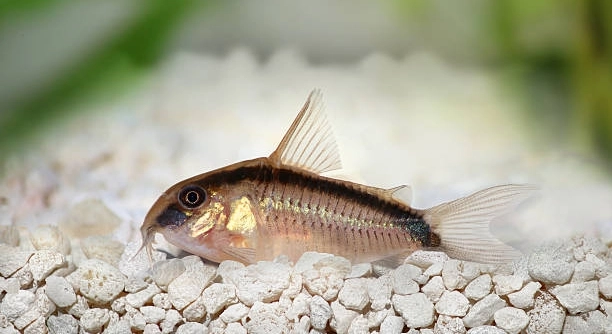
Do you ever find yourself wishing your Corydoras catfish would swim together more often, showing off their natural schooling behavior?
The most effective way to encourage Corydoras catfish to swim together in schools is by keeping them in appropriate group sizes and providing a stress-free, well-structured environment with consistent lighting and water parameters.
Creating a setup that matches their natural preferences can lead to more visible, active schooling behavior and a healthier tank community overall.
Keep Them in Groups of Six or More
Corydoras are social fish that prefer to live in groups. When kept in small numbers, they often become shy and inactive. A group of six or more helps them feel safe and encourages their natural schooling behavior. In larger groups, Corydoras tend to explore the tank more openly and interact with each other regularly. It also reduces stress, which is a key factor in keeping them healthy and active. If the group is too small, they may hide more often or scatter across the tank instead of staying together. Always choose species that are the same or similar, as mixing types can sometimes reduce schooling behavior.
Smaller groups may not provide the comfort they need to swim closely together. Keeping at least six encourages social bonding and a more visible group dynamic.
A larger group also reduces the chance of one fish being singled out. When they have more companions, the social balance improves. You’ll notice them forming tighter patterns, swimming side by side along the substrate, and showing more confidence in open areas. Watching a group of Corydoras move in sync can be relaxing, and it’s also a good sign they feel secure in their environment. Proper group size supports both their physical and social well-being.
Provide a Calm, Stable Environment
A calm environment helps Corydoras feel safe enough to swim as a group. Sudden changes in lighting, loud noises, or frequent tank disturbances can stress them out and cause them to separate.
Consistency is key. Corydoras prefer stable conditions that don’t change often. Make sure your water parameters—like temperature, pH, and hardness—stay within their ideal range. Use soft lighting and avoid bright or flashing lights, which can scare them. Keep loud sounds and vibrations away from the tank. Rearranging the tank too often can also unsettle them. It’s best to keep decorations and layout consistent so they can learn where to rest and hide when needed. Adding live plants or gentle-flow decorations can also help them feel protected. When they feel safe, they’re much more likely to swim together and show natural behaviors. Stable surroundings encourage social comfort and reduce anxiety in schooling fish like Corydoras.
Match Them with Peaceful Tank Mates
Corydoras are more likely to school when they aren’t stressed by aggressive or overly active fish. Calm tank mates allow them to swim freely and display more natural behaviors. Choose species that won’t chase or nip at them.
Fast or aggressive fish can cause Corydoras to scatter and hide. Stick to calm, community-friendly species like small tetras, rasboras, or peaceful dwarf gouramis. Avoid mixing them with larger or territorial fish, as that creates stress and disrupts their group behavior. Watch for signs of bullying, like hiding, erratic swimming, or torn fins. A peaceful tank gives them space to relax and interact with each other. If the environment feels safe, they’ll form tighter groups and be more active. Also, try not to overcrowd the tank. Too many fish—peaceful or not—can lead to competition for space and reduce schooling. Keep things calm and balanced to support healthy social behavior.
Keeping the right company makes a big difference in how Corydoras behave. A peaceful setting brings out the best in them. When there’s no pressure from other fish, they’ll swim in coordinated groups and show off their playful side. It also reduces stress-related illness. Happy, relaxed Corydoras are more engaging to watch and easier to care for.
Create Open Space at the Bottom
Corydoras are bottom dwellers, so they need open space along the substrate to swim together easily. Avoid placing too many decorations on the tank floor, and leave enough room for free movement and group activity.
Use soft sand or smooth gravel as the base. This helps protect their sensitive barbels and encourages more foraging and exploring. Try to keep plants, rocks, and ornaments arranged around the edges or in corners. That way, you create a clear central area where they can school. Keep in mind that clutter can make them feel trapped, causing them to break away from the group. An open floor design supports group travel and gives them room to stay connected. If the tank is too packed, they may split off or hide in separate areas. Planning the layout with their movement in mind makes a big difference in how often they swim together.
Feed Them at Consistent Times
Feeding your Corydoras at the same times each day helps them develop a routine. When they expect food, they tend to gather and move together more often, especially along the bottom where they feed.
Try using sinking pellets or wafers that land in open areas. This encourages group foraging behavior and helps them stay close.
Use Gentle Water Flow
Corydoras prefer gentle currents that don’t push them around. Strong filters or high flow can cause them to scatter and rest more often. Use sponge filters, spray bars, or baffles to soften the water movement.
Calm water allows them to swim comfortably in groups. It also helps maintain balance and reduces stress. When the current is too strong, they may cling to corners or stay behind decorations for shelter. This breaks their schooling pattern and makes them less active. Keep flow steady but soft to support their natural rhythm. A relaxed current keeps them moving as a group without tiring them out.
Avoid Sudden Lighting Changes
Sudden lights turning on or off can startle Corydoras and cause them to scatter. Use dim lighting or gradually increase brightness to keep them calm and grouped.
FAQ
Why do Corydoras catfish prefer to be in groups?
Corydoras are social fish by nature. In the wild, they live and move in large groups for safety and comfort. Being around others of their kind helps them feel secure and encourages more natural behaviors. When kept alone or in very small numbers, they can become anxious, less active, and even more prone to illness. A group gives them the chance to interact, explore together, and behave in ways that are instinctive. This is why having at least six or more is recommended for their well-being and to help them school more often.
Can different species of Corydoras school together?
Different species of Corydoras may swim near each other but don’t always form tight schools. They tend to group more closely with their own kind. If you mix several types, you might notice some level of interaction, but it won’t be as strong as a group of the same species. For the best chance of schooling, stick to a single type when building a group. Similar size and behavior do help, but for strong schooling, consistency in species makes a big difference. A uniform group feels more connected and more likely to swim in sync.
Do Corydoras swim in schools all the time?
Not always. Even in a good setup, Corydoras will sometimes split off to explore or rest. Schooling happens most often when they feel calm, safe, and curious. You’ll usually see it during feeding times or when they’re actively moving through open areas. If the tank is peaceful and they’re healthy, schooling becomes a regular part of their behavior. But it’s normal to see them break off occasionally. It doesn’t mean something is wrong. Some will rest under plants or inside hides while others stay active. As long as they regroup and interact regularly, they’re doing fine.
What is the best substrate for encouraging Corydoras to school?
Soft sand is the most recommended substrate. Corydoras use their barbels to search for food, and rough gravel can cause damage or irritation. Sand allows them to sift and dig comfortably, which encourages more natural movement as a group. A soft bottom also helps them stay close together since they’re less likely to avoid parts of the tank that hurt their barbels. Keep the substrate clean to prevent buildup of waste. A smooth, safe floor encourages more foraging activity, which in turn promotes schooling as they move side by side.
Will dim lighting help Corydoras school more?
Yes, dim or soft lighting can help them feel more secure. Bright or harsh lights may cause them to hide or stay close to the bottom without moving much. Corydoras are more active in low to moderate light settings. Use floating plants or a gentle light source to reduce intensity. This calm atmosphere gives them the confidence to swim in the open and stay together. Sudden changes in lighting should also be avoided, as they can trigger stress and interrupt their group behavior. A steady, soft light supports calm schooling activity.
How can I tell if my Corydoras are stressed?
Stressed Corydoras often show changes in behavior. If they stop schooling, hide constantly, swim erratically, or breathe quickly near the surface, these may be signs of stress. Loss of color and a lack of appetite are also common indicators. Check your water parameters, tank mates, and lighting. Even small disruptions like loud noises or frequent hands in the tank can upset them. Healthy Corydoras are curious, social, and steady in their movements. Watching them school is one of the easiest ways to tell they’re feeling comfortable and safe in the tank.
What size tank is best for schooling behavior?
A minimum of 20 gallons is ideal for a small group of six Corydoras, but larger is better. The more space they have to swim, the easier it is for them to move together. A wider footprint is more useful than height, since they stay near the bottom. Longer tanks give them room to form loose lines and move as a group without bumping into decorations or glass. If your tank is too small or crowded, they’ll be less likely to school. Space, layout, and group size all work together to support this behavior.
Final Thoughts
Corydoras catfish are peaceful and social fish that do best when kept in proper conditions. One of their most enjoyable behaviors is swimming together in a group, often called schooling. This is something they do naturally when they feel safe and calm. If you want to see this behavior in your aquarium, it’s important to give them what they need to feel comfortable. From tank size and layout to lighting and tank mates, every detail matters. When everything is set up well, they will reward you with active movement, group foraging, and healthy interaction.
Keeping them in groups of six or more is one of the most important steps. A group makes them feel more secure and confident, which encourages them to swim closer together. It’s also important to give them open space at the bottom of the tank and use a soft substrate like sand, which allows them to move freely without hurting themselves. Avoid placing too many decorations on the tank floor and make sure they have areas where they can swim as a group. Corydoras are bottom dwellers, and if the floor is too crowded, they may spread out or hide instead of swimming together.
Stable water conditions, gentle lighting, and peaceful tank mates are also key to reducing stress and encouraging natural behavior. Feeding them at regular times and using sinking food can help draw the group together and create routine. If you notice your Corydoras hiding a lot, swimming alone, or acting restless, something may be off in their environment. Small changes can make a big difference. When they feel secure and relaxed, they are much more likely to move in sync, explore openly, and show the schooling behavior many fish keepers enjoy watching. Creating a calm, well-planned space not only helps them thrive, but also makes your aquarium more interesting and peaceful to observe.

Hello,
If you enjoy the content that we create, please consider saying a "Thank You!" by leaving a tip.
Every little bit helps us continue crafting quality advice that supports the health, happiness, and well-being of pets around the world, for pets of all shapes, sizes, and species.
We really appreciate the kindness and support that you show us!