
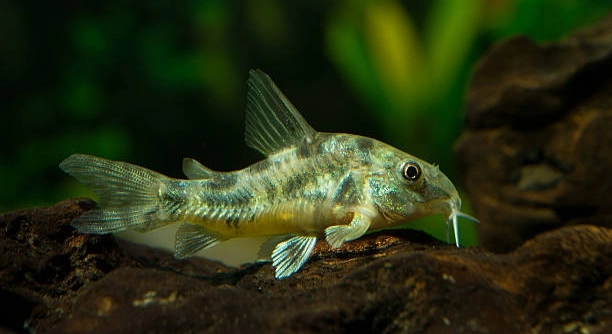
Corydoras catfish are popular for their peaceful nature and fun personalities. They thrive in aquariums with proper care, and a heavily planted tank offers numerous benefits. A well-planted environment can greatly improve their quality of life.
Corydoras catfish are naturally bottom dwellers, and a heavily planted tank offers them shelter, security, and a more natural habitat. The plants provide hiding spots and help reduce stress while enhancing the overall water quality by absorbing excess nutrients.
These factors contribute to a healthier, happier tank, benefiting both the Corydoras and the overall ecosystem. Keep reading to learn more about how you can create the perfect environment for your fish.
Natural Hiding Spots and Security
Corydoras catfish feel safest in environments where they can easily find hiding spots. Heavily planted tanks provide them with these essential shelters. The dense plants create spaces for the fish to retreat to when they need rest or protection. These fish are naturally shy and benefit from these secluded areas to reduce stress. This helps keep them calm and comfortable in their environment, contributing to better overall health.
The plants also mimic their natural habitat. Corydoras catfish thrive in areas with dense vegetation like those found in their native rivers and streams. This helps them maintain natural behaviors, improving their well-being.
Moreover, a planted tank reduces the chances of aggression from other fish, as the plants act as a buffer between species. With this setup, your Corydoras can swim freely, feeling secure and in control of their surroundings.
Improved Water Quality
Planted tanks not only offer security but also significantly improve water quality. Plants naturally filter the water, absorbing excess nutrients like nitrates and phosphates that could otherwise lead to poor water conditions. These nutrients are often byproducts of fish waste, uneaten food, and decaying matter.
The presence of plants also helps oxygenate the tank, which benefits all inhabitants. As plants photosynthesize, they release oxygen into the water, improving the overall tank environment. This is especially important for bottom dwellers like Corydoras catfish, which require a higher oxygen level at the substrate level.
A well-maintained planted tank creates a more balanced ecosystem. By reducing harmful substances in the water, the plants help prevent potential issues like algae blooms or poor water clarity. Maintaining good water quality is essential for keeping your Corydoras healthy and active.
Ideal Surface Area for Foraging
The substrate in a heavily planted tank creates more surface area for Corydoras catfish to forage. These fish spend a lot of their time searching the bottom for food, and the added plants provide more hiding spots for small food particles. This allows the fish to graze naturally and increases their chances of finding nourishment.
The plants also help filter out detritus that might otherwise accumulate on the tank floor. This makes the foraging process easier and more efficient for Corydoras. The roots of the plants trap organic matter, which can break down into food for the catfish.
Additionally, the plants provide a more enriched environment for the fish to explore. This encourages them to be more active and engaged, reducing stress and promoting overall health. A planted tank mimics the conditions these fish would experience in their native habitat, making it the ideal setup for them to thrive.
Better Temperature Regulation
A densely planted tank can help regulate temperature more effectively. Plants provide shade and cover, which can protect Corydoras catfish from fluctuating water temperatures. This is especially important in tanks where the water temperature is not consistently stable.
The plants help maintain a more even temperature by creating cooler spots in the tank. This is beneficial for Corydoras, as they prefer cooler water compared to many other aquarium fish. The plants also absorb some of the heat generated by lighting, preventing the water from becoming too warm.
By having a stable and comfortable temperature, your Corydoras will experience less stress and enjoy better health. Fluctuating temperatures can cause undue stress, weakening the fish’s immune system. A well-planted tank offers a more consistent and comfortable environment, allowing your Corydoras to feel safe and relaxed.
Natural Biofilm Growth
In a planted tank, natural biofilm growth occurs on plant surfaces. Corydoras catfish feed on this biofilm, which provides an additional food source. The biofilm forms from bacteria, algae, and other microscopic organisms that thrive in a well-established, planted environment. This enhances their diet.
The biofilm also acts as a natural part of their habitat. Corydoras are bottom dwellers, and feeding on biofilm helps simulate their natural feeding habits. The more plants in the tank, the more biofilm they have access to, supporting their health and nutritional needs.
Healthy Social Behavior
Corydoras are social fish that thrive in groups. A planted tank gives them ample space to explore and interact with each other. The plants help create an environment where they can move about freely while still feeling secure. This encourages natural social behaviors like schooling and foraging together.
Being in a tank with enough plants allows the catfish to feel less threatened by other tank mates. They will interact with one another more often, reducing stress and promoting happiness. This contributes to the overall well-being of the entire tank, creating a calm and peaceful atmosphere.
FAQ
Why are plants important for Corydoras catfish?
Plants provide Corydoras with essential hiding spots, reduce stress, and improve water quality. They also help create a more natural environment that mimics the fish’s native habitat. The dense vegetation offers security and shelter, which allows these shy fish to thrive. Additionally, plants help absorb excess nutrients, preventing water quality issues that could harm the fish.
Can Corydoras live in a tank without plants?
While Corydoras can live in tanks without plants, they will benefit greatly from having them. Plants enhance their quality of life by providing hiding spots, reducing stress, and improving water conditions. Without plants, Corydoras may feel more exposed and less secure, leading to potential health problems.
What types of plants are best for Corydoras tanks?
For Corydoras, low-maintenance plants like Anubias, Java fern, and Amazon swords work well. These plants provide dense cover and don’t require complex care. Additionally, plants with broad leaves are ideal as they create more surface area for biofilm to grow, offering the catfish a natural food source.
How do plants improve water quality for Corydoras?
Plants help by absorbing excess nutrients like nitrates and phosphates, which can cause poor water quality. They also reduce algae growth by outcompeting algae for nutrients. The process of photosynthesis produces oxygen, improving the water’s oxygen levels, which is crucial for the well-being of Corydoras catfish.
Do plants in a tank help reduce stress for Corydoras?
Yes, plants help reduce stress by providing Corydoras with hiding places and a more natural habitat. These fish are naturally shy and feel safer when they have the option to retreat to a sheltered spot. A planted tank mimics their native environment, making them feel more at ease.
How often should I trim the plants in a Corydoras tank?
Trimming plants regularly is important to maintain a healthy and balanced environment. Overgrown plants can block light and reduce oxygen levels, both of which are essential for the health of your Corydoras. Trim plants as needed, typically every few weeks, to keep them from taking over the tank.
Can Corydoras catfish eat the plants in their tank?
Corydoras are primarily bottom feeders and do not usually eat live plants. However, they may nibble on plant leaves if they are deteriorating or if biofilm has built up on them. Healthy plants are not a primary food source for Corydoras, but they can help supplement their diet by providing biofilm.
How many Corydoras can live in a planted tank?
Corydoras are social fish and prefer to live in groups. It is recommended to keep at least six Corydoras in a planted tank to help them feel comfortable and secure. Having more fish in the tank promotes healthy social behavior and reduces stress. Just make sure your tank is large enough to accommodate the group.
Is it necessary to have a heavily planted tank for Corydoras to thrive?
While a heavily planted tank is not strictly necessary for Corydoras to thrive, it does significantly improve their well-being. Plants provide hiding spots, help with water quality, and create a more natural and secure environment. A planted tank is ideal for mimicking the conditions Corydoras prefer.
Can I add live plants to an existing tank with Corydoras?
Yes, you can add live plants to an existing tank with Corydoras. Just be sure to choose plants that are suitable for your tank’s conditions. When introducing new plants, ensure the water parameters are appropriate and that the plants are properly established before adding them to avoid disturbing the ecosystem.
Do Corydoras need a specific type of substrate in a planted tank?
Corydoras prefer a soft, fine substrate, such as sand, which is gentle on their sensitive barbels. This type of substrate also makes it easier for them to forage for food. If you’re adding plants, a nutrient-rich substrate will help the plants grow, but it should still be soft enough for Corydoras to move through comfortably.
Are there any risks associated with adding too many plants in a Corydoras tank?
While plants offer numerous benefits, adding too many plants can cause issues. Overcrowding with plants can limit water flow, reduce oxygen levels, and block light. This can lead to poor water quality and an unhealthy environment for your Corydoras. Balance is key when it comes to planting density.
What kind of lighting is best for plants in a Corydoras tank?
Moderate lighting works best for plants in a Corydoras tank. Too much light can promote excessive algae growth, while too little light can hinder plant growth. A 6-8 hour light cycle each day is generally ideal for most plants and helps create a natural day-night rhythm for the tank.
Can Corydoras live with other fish in a planted tank?
Corydoras are peaceful fish that can live with other non-aggressive species. A planted tank offers plenty of space for other fish to coexist with Corydoras without causing stress. Be sure to choose tank mates that do not disturb the bottom dwellers or compete for the same food.
How can I maintain a healthy planted tank for my Corydoras?
Maintaining a healthy planted tank requires regular care. This includes trimming plants, removing dead leaves, and ensuring water parameters (such as temperature, pH, and nitrate levels) are stable. Performing regular water changes and monitoring the health of the plants and fish will help keep the environment thriving for your Corydoras.
Final Thoughts
Corydoras catfish thrive in well-planted tanks, as plants offer them both comfort and a more natural environment. A heavily planted tank mimics the catfish’s native habitat, providing hiding spots and reducing stress. In these settings, Corydoras can move freely and exhibit more natural behavior, leading to a healthier and happier life. The plants also help maintain water quality by absorbing excess nutrients and producing oxygen, which is essential for the fish’s well-being. All these factors make a planted tank an ideal choice for keeping Corydoras, improving both the aesthetic and functional quality of the tank.
While Corydoras can live in a tank without plants, the benefits of a planted setup far outweigh the drawbacks. Without plants, these fish may feel exposed and less secure, leading to stress and possible health problems. However, it’s important to keep the balance right. Too many plants can cause issues such as reduced oxygen levels and blocked light, negatively affecting the entire tank’s ecosystem. By choosing the right plants and maintaining a balanced tank, you can ensure the best environment for your Corydoras while keeping the plants healthy and thriving.
In the end, providing your Corydoras with a planted tank is one of the best ways to meet their needs. The plants contribute to their diet by providing biofilm, which acts as a natural food source. They also create a safe environment that supports the fish’s social behavior. By regularly caring for the plants and monitoring the tank’s water quality, you can ensure that your Corydoras will flourish. Creating a harmonious, planted tank not only benefits your fish but also adds beauty to your aquarium, making it a more enjoyable space for both you and your aquatic pets.

Hello,
If you enjoy the content that we create, please consider saying a "Thank You!" by leaving a tip.
Every little bit helps us continue crafting quality advice that supports the health, happiness, and well-being of pets around the world, for pets of all shapes, sizes, and species.
We really appreciate the kindness and support that you show us!