
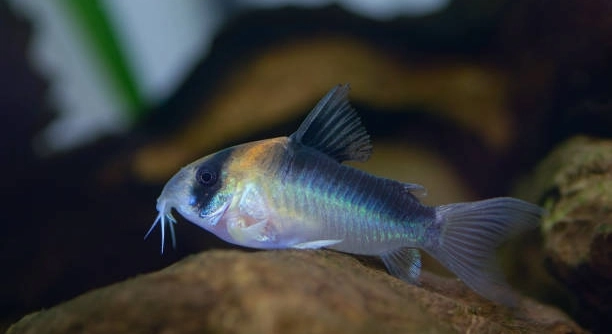
Corydoras catfish are popular aquarium fish, known for their peaceful nature and bottom-dwelling behavior. However, some owners notice their fish spending more time at the top of the tank. Understanding why this happens can help improve their well-being.
The primary reason your Corydoras catfish is constantly swimming to the top is a lack of oxygen at the bottom of the tank. This can be caused by low water flow, poor filtration, or inadequate aeration, leading the fish to seek better oxygen levels near the surface.
Knowing the factors behind this behavior is key to resolving the issue and ensuring your Corydoras catfish stays healthy and comfortable.
Lack of Oxygen in the Tank
When your Corydoras catfish swims to the top of the tank, it may be struggling to get enough oxygen. These fish are typically bottom dwellers, where oxygen levels can be lower. If your aquarium has poor water circulation or inadequate filtration, oxygen can be insufficient in the lower levels of the tank. Corydoras may instinctively swim to the top to breathe air, especially if the tank’s aeration system is not performing well. To fix this, ensure your tank has a good filtration system and consider adding an air pump or aerator to boost oxygen levels in the water.
It’s important to keep your aquarium clean and maintain proper water flow to prevent oxygen deficiencies. You might want to check your filter’s performance regularly and clean it to ensure maximum efficiency.
You can also adjust your tank setup to improve water circulation. Adding a water pump can help distribute oxygen evenly, making it easier for your fish to thrive. Keeping an eye on the water temperature is equally essential, as warmer water holds less oxygen.
Stress from Poor Water Quality
If your Corydoras catfish is frequently swimming to the top, poor water quality could be another reason. Fish are sensitive to changes in their environment, and high levels of toxins like ammonia, nitrites, and nitrates can cause stress. Poor water quality affects fish health, making them seek out better conditions. Regular water changes, proper filtration, and testing the water regularly are essential practices to maintain a healthy aquarium environment for your Corydoras. By addressing poor water quality, you help your fish feel more secure and comfortable.
When the water is clean and free of toxins, your Corydoras will feel less stressed and more likely to stay near the bottom, where they are naturally comfortable. Clean water allows your fish to stay healthy, reduces stress, and lowers the chances of them swimming to the top of the tank.
Inadequate Tank Size
If your Corydoras catfish is constantly at the top of the tank, it could be due to insufficient space. These fish need a large enough environment to swim freely and feel secure. A tank that’s too small can lead to overcrowding, stress, and an increased need for oxygen, pushing them to the surface. Make sure the tank is large enough to accommodate their needs and provide plenty of hiding spots.
A cramped tank also restricts the movement of your fish, which can lead to anxiety and discomfort. Corydoras thrive in environments with open space, where they can explore and engage in natural behaviors. If your tank is small, the fish may attempt to escape to the surface for relief. Ensuring your fish has room to swim helps reduce stress and improve their overall health.
Along with tank size, it’s also important to maintain proper stocking levels. Overcrowding can significantly increase waste and reduce water quality, making it even harder for the fish to get oxygen from the lower tank levels. A larger tank with fewer fish will help improve water quality and allow your Corydoras to thrive.
High Water Temperature
Warm water holds less oxygen, which can lead to your Corydoras catfish swimming to the top for air. If the water temperature is too high, it can reduce the oxygen available at the bottom of the tank. Corydoras are more comfortable in cooler water, typically between 72°F and 78°F. Ensure your tank temperature is within this range for optimal fish health.
Using a heater can make it easier to regulate the temperature of your aquarium, but keep in mind that if the water gets too warm, it may cause discomfort for your fish. High water temperatures also stress out fish, which can lead to them seeking oxygen near the surface. Consider using a thermometer to monitor the water’s temperature closely.
If you live in a particularly warm climate or your home has fluctuating temperatures, investing in a cooling system for your aquarium could be a good option. This will keep your water temperature stable, helping your Corydoras catfish stay comfortable at the bottom of the tank.
Poor Tank Maintenance
Inconsistent tank maintenance can cause stress for your Corydoras catfish. If the substrate is dirty, or there’s excessive algae, it can affect the water quality and oxygen levels, leading the fish to swim near the top. Regular cleaning and water changes help maintain a healthy environment.
Keeping your tank well-maintained not only improves water quality but also ensures the overall health of your fish. A build-up of waste or debris in the substrate can deplete oxygen levels, forcing your fish to seek better conditions at the surface. Regular tank maintenance is essential for their well-being.
Overfeeding
Overfeeding can lead to water quality problems in your aquarium. Excess food that isn’t eaten decomposes, leading to higher levels of toxins in the water. This can reduce oxygen availability, causing your Corydoras catfish to swim to the top in search of cleaner air. Monitor feeding habits to avoid this.
Overfeeding also leads to unnecessary waste buildup, which can cloud the water and reduce oxygen levels. The excess food creates an unhealthy environment, contributing to stress for your fish. Feeding your Corydoras just enough food ensures they get the proper nutrition without negatively impacting water quality.
Aggression from Tankmates
Aggressive tankmates can make your Corydoras catfish feel threatened, forcing them to swim to the top of the tank. If other fish are nipping at their fins or crowding them, they may seek out the surface to escape. Monitor the behavior of your tankmates and remove any overly aggressive fish.
FAQ
Why does my Corydoras catfish stay at the top of the tank?
Corydoras catfish may swim to the top when there is a lack of oxygen in the lower part of the tank. This can occur due to poor water flow, inadequate filtration, or warm water that doesn’t hold enough oxygen. These fish naturally prefer the bottom of the tank, so when conditions are unfavorable, they may surface for air. Ensure your tank has proper filtration and aeration to maintain healthy oxygen levels throughout the aquarium.
Can stress cause my Corydoras catfish to swim to the surface?
Yes, stress can make your Corydoras catfish swim to the top. Stress is often caused by poor water quality, inadequate tank size, or aggressive tankmates. When fish are stressed, they may seek a safer or more comfortable spot in the tank, which could be near the surface. Monitoring the tank’s conditions and removing stressors can help reduce this behavior.
How do I know if my Corydoras catfish is stressed?
Signs of stress in Corydoras catfish include unusual swimming patterns, such as swimming erratically or frequently staying near the top. They may also appear more skittish or hide more than usual. A stressed Corydoras may also display faded coloration or stop eating. Regular water changes and a calm tank environment can help alleviate stress.
Should I change the water if my Corydoras catfish is swimming to the top?
Yes, if your Corydoras catfish is swimming to the top, a water change might help. Poor water quality is a common cause of this behavior. Test the water for ammonia, nitrites, and nitrates, and perform a partial water change to improve the conditions. Keeping the water clean will reduce stress and improve oxygen levels.
Is it normal for Corydoras catfish to swim at the top of the tank occasionally?
Occasionally swimming to the top is normal, especially if they are feeding or interacting with the surface. However, if your Corydoras catfish is constantly staying at the top or appearing out of breath, there may be an underlying issue, such as low oxygen levels, poor water quality, or stress. It’s important to monitor the situation and address any potential problems promptly.
Can I fix the issue by adding more fish?
Adding more fish may not resolve the issue and could actually make it worse. If the tank is overcrowded, it can worsen water quality, reduce oxygen levels, and increase stress for your Corydoras catfish. Instead of adding more fish, focus on improving tank conditions and water flow. If necessary, consider upgrading to a larger tank for more space.
What is the best tank temperature for Corydoras catfish?
The ideal temperature for Corydoras catfish is between 72°F and 78°F. Water temperatures outside this range can cause stress or reduce oxygen levels, making your fish more likely to swim to the top. A stable, moderate temperature will help your Corydoras feel comfortable and reduce their need to surface for air.
Can overfeeding cause my Corydoras catfish to swim to the top?
Yes, overfeeding can lead to water quality issues that make your Corydoras catfish swim to the top. Excess food that isn’t consumed breaks down in the tank, increasing waste and reducing oxygen levels. This creates an unhealthy environment, causing your fish to seek cleaner air at the surface. Feed your Corydoras only the amount they can eat in a few minutes to avoid overfeeding.
How do I ensure my Corydoras catfish has enough oxygen?
To provide enough oxygen for your Corydoras catfish, ensure that your tank has proper water circulation and aeration. Use a high-quality filter, and consider adding an air pump or air stone to boost oxygen levels. Regular water changes are also important for maintaining healthy water quality, which supports oxygen availability.
Can poor tankmates cause my Corydoras catfish to swim to the surface?
Yes, aggressive or territorial tankmates can stress your Corydoras catfish and force them to swim to the top of the tank. If other fish are chasing, nipping, or crowding them, your Corydoras may seek a safer spot at the surface. To reduce stress, ensure your tankmates are peaceful and compatible with your Corydoras. If needed, remove overly aggressive fish.
Do Corydoras catfish need a lot of space?
Yes, Corydoras catfish need space to feel comfortable and secure. A tank that is too small can cause overcrowding and stress, which may lead to your Corydoras swimming to the top. Make sure your tank is appropriately sized for the number of fish, and provide hiding spots to help them feel at ease.
Can Corydoras catfish live with other species?
Corydoras catfish are peaceful fish that generally get along well with other non-aggressive species. However, avoid housing them with large, aggressive fish that may stress or harm them. Corydoras do best with other calm, bottom-dwelling fish. Proper tankmate selection will help reduce the likelihood of them swimming to the top due to stress.
Final Thoughts
When your Corydoras catfish consistently swims to the top of the tank, it’s a sign that something may not be right in the environment. Corydoras are bottom dwellers, and they typically prefer staying near the substrate where they feel safe. If they are moving to the surface more often, it could be due to issues like low oxygen levels, poor water quality, or tankmates causing stress. Addressing these factors is essential to ensure the well-being of your fish.
To maintain a healthy aquarium for your Corydoras, ensure proper tank maintenance. Regular water changes, cleaning the substrate, and checking water parameters are all necessary for keeping the environment stable. Installing a good filtration system and an air pump can also help improve oxygen levels, making the tank a more comfortable place for your fish. Additionally, monitoring the temperature and keeping it within the recommended range will also prevent stress and ensure your fish remain active and healthy.
Lastly, always observe your Corydoras for signs of stress or discomfort. If they are constantly at the surface, take action by addressing potential issues like overfeeding, tank size, and the behavior of other fish in the tank. By making the necessary adjustments, you can create a more stable and peaceful environment, allowing your Corydoras to thrive. Keeping a close eye on their needs and promptly addressing any problems will help you maintain a healthy and happy tank for your fish.

Hello,
If you enjoy the content that we create, please consider saying a "Thank You!" by leaving a tip.
Every little bit helps us continue crafting quality advice that supports the health, happiness, and well-being of pets around the world, for pets of all shapes, sizes, and species.
We really appreciate the kindness and support that you show us!