
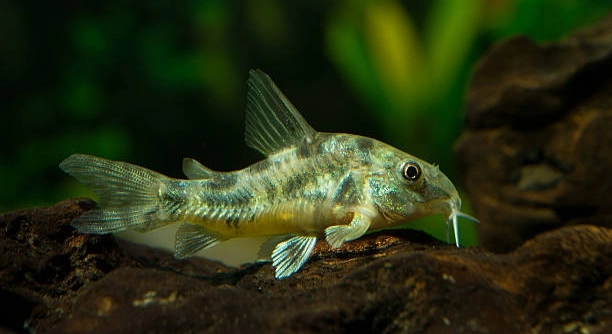
When you introduce a new tank layout for your Corydoras catfish, it can be difficult to know if they are adjusting well. Observing their behavior closely is key to understanding their response.
Corydoras catfish may show signs of stress or comfort after a tank redesign. These include hiding more, reduced activity, or improved foraging. Positive responses like increased swimming or exploring new areas suggest your catfish is adjusting well to the changes.
Recognizing these signs early can help ensure the well-being of your Corydoras. Identifying any issues promptly leads to a healthier, more stable tank environment for your fish.
Signs of Stress in Corydoras After a Tank Layout Change
When Corydoras catfish are stressed, their behavior often changes in noticeable ways. They might spend more time hiding, which could indicate that they are feeling unsafe in the new setup. A decrease in swimming activity or reluctance to explore can also be signs of stress. Sometimes, their breathing may become faster, and they may stay at the bottom of the tank more often than usual. If the fish are spending too much time hiding, it could suggest they are overwhelmed by the changes in their environment.
It’s essential to monitor these behaviors closely to prevent prolonged stress. If these signs persist for more than a few days, it could lead to health issues.
A well-balanced tank with proper hiding spots and a stress-free environment should help your Corydoras feel safe and adjust over time. It’s important to ensure that the new layout meets their needs, like having enough space to move around and areas where they can feel secure.
Signs of Comfort and Adjustment
After a layout change, if your Corydoras begin to swim more freely and explore new areas, it’s a good sign they are becoming comfortable. The fish may also begin to interact with other tank mates more, indicating that they feel less stressed and more confident in their surroundings.
Once the tank is set up and your Corydoras begin to adjust, they should become more active and social. In fact, an increase in movement is one of the best indicators that your catfish is settling in. If your Corydoras are exploring different areas of the tank, it is likely a sign they are feeling less stressed and more at ease.
Another important sign is that they may start foraging more, picking at substrate or decorations. This behavior indicates that they are healthy and are adjusting well to the new layout. Be sure to continue observing their activity to ensure that they remain comfortable.
Increased Swimming and Exploration
One of the first signs your Corydoras is responding well to a new tank layout is increased swimming activity. After the initial stress period, you should notice your catfish swimming around more, exploring different areas. This is a clear sign they are comfortable and curious in their new environment.
When they swim freely around the tank, it suggests they feel secure and are adjusting to the changes. You may also notice them darting between decorations or moving toward different corners. This behavior shows they are not overwhelmed by the layout and are confident enough to explore.
It’s important to give them time to adjust to any changes. A healthy tank with plenty of places to hide and explore will encourage this natural behavior. If your Corydoras are exploring, it’s a good indicator they are comfortable in their new space.
Increased Interaction with Tankmates
If your Corydoras catfish are interacting more with other fish in the tank, it’s a positive sign of adjustment. Social behavior such as swimming alongside other fish, even if only for short periods, suggests they are no longer stressed by the layout changes. This also means they are acclimating to their new surroundings without feeling threatened.
You might notice them gently rubbing against each other or schooling with other fish. This indicates they are establishing their normal social habits and behaviors. Social interaction is a key part of their well-being. If they are more social and engaged, it’s a clear sign that the new environment isn’t causing unnecessary stress.
For Corydoras, this behavior is essential for their mental and physical health. If they are comfortable enough to interact with others, it reflects that the new tank setup supports their social needs and overall comfort.
Better Foraging Habits
After a tank layout change, if your Corydoras are actively foraging again, it’s a strong sign that they are adjusting well. Foraging behavior shows that they are comfortable enough to search for food in their new environment. It indicates they feel safe and confident.
You should observe them moving around the tank substrate, sifting through it for food. This activity is not only a sign of good health but also shows that the new layout provides enough space and hiding spots. If your Corydoras resume this behavior, it’s a sign they are getting used to the changes.
Increased Surface Breathing
Increased surface breathing can sometimes indicate that your Corydoras is still adjusting to the new tank layout. While Corydoras are naturally bottom dwellers, they will occasionally swim to the surface for a breath of air, especially if they feel safe.
Surface breathing can also signal that the water conditions or oxygen levels may not be ideal. If the catfish is doing this frequently, it’s worth checking the water parameters, including oxygen levels, temperature, and pH balance.
FAQ
How long does it take for Corydoras to adjust to a new tank layout?
Corydoras catfish typically take a few days to a week to adjust to a new tank layout, but this can vary depending on the individual fish and how drastic the changes are. Some may take longer, especially if the layout changes affect their sense of security or if the water parameters are altered. It’s important to observe their behavior and ensure they have hiding places and a stable environment to help them adjust more quickly.
What should I do if my Corydoras are hiding too much after a tank change?
If your Corydoras are hiding excessively after a tank layout change, it could indicate stress. It’s important to check the tank conditions, including water quality, temperature, and pH levels, to ensure they are optimal. Adding more hiding spots or rearranging decorations might also help. Sometimes, simply giving the fish more time to adjust can make a big difference.
Can Corydoras stop eating after a tank layout change?
Yes, Corydoras can become less active and may stop eating temporarily if they are stressed by a tank layout change. Stress can cause them to retreat and avoid food. Ensure that the water conditions are stable, and be patient. After some time, once they feel more secure, their eating habits should return to normal.
Is it normal for Corydoras to swim at the surface after a layout change?
It’s normal for Corydoras to swim to the surface for air, but excessive surface swimming after a layout change could indicate issues with water quality or oxygen levels. Make sure the tank has adequate filtration and oxygenation. If the problem persists, check the water parameters to ensure the environment is comfortable for the fish.
Why are my Corydoras spending more time at the bottom of the tank?
Corydoras are naturally bottom-dwelling fish, so it is normal for them to spend much of their time near the substrate. However, if they are spending more time than usual at the bottom after a layout change, it could be a sign of stress or discomfort. Ensure the tank has proper hiding spots, and monitor the water conditions to rule out any issues.
Do Corydoras catfish need specific hiding spots in a new tank layout?
Yes, Corydoras catfish do need hiding spots in their tank, especially after a layout change. These fish prefer to have sheltered areas where they can retreat if they feel stressed or vulnerable. Adding plants, rocks, or caves can help them feel more secure and ease the transition to a new environment.
How can I tell if my Corydoras are stressed after a tank change?
Signs of stress in Corydoras include hiding for long periods, lack of appetite, rapid breathing, or swimming erratically. They may also become more aggressive or lethargic than usual. It’s important to check the water quality and temperature, as poor conditions can contribute to stress. Providing enough hiding spots and a stable environment can help reduce stress.
Is it okay to change the tank layout often for my Corydoras?
While Corydoras can adapt to changes in their environment, it’s best not to alter the tank layout too frequently. Frequent changes can cause unnecessary stress, especially if the fish have not had time to adjust. It’s recommended to make changes gradually, allowing your Corydoras time to acclimate before making further adjustments.
How can I make sure my Corydoras are comfortable in a new tank layout?
To ensure your Corydoras are comfortable, focus on maintaining stable water conditions, including temperature, pH, and oxygen levels. Provide plenty of hiding spots with decorations, plants, and caves. Avoid making drastic changes and give the fish time to explore and adjust to their new environment.
Can lighting affect my Corydoras’ response to a new tank layout?
Yes, lighting can affect how your Corydoras react to a new tank layout. Bright, harsh lighting can make them feel exposed and stressed, while dim lighting can help them feel more secure. It’s best to provide lighting that mimics natural conditions, such as a soft, gentle light, to keep them comfortable.
Do Corydoras need a specific substrate for foraging after a tank change?
Corydoras are bottom-dwelling fish that love to forage through the substrate. It’s best to provide a soft, fine substrate, like sand, to prevent damage to their sensitive barbels. Avoid using gravel with sharp edges, as it can harm their barbels and make foraging uncomfortable. A suitable substrate will encourage natural foraging behavior.
Final Thoughts
When changing the layout of your Corydoras catfish’s tank, it’s essential to be patient and attentive to their behavior. Corydoras are sensitive fish, and even small changes can cause them stress. Understanding how they respond to these changes can help you make the transition smoother for them. They may take a few days or even a week to fully adjust, so it’s important to monitor them closely during this time. If they are hiding or swimming erratically, it may be a sign that they are feeling overwhelmed. However, if you provide a stable environment with plenty of hiding spots and carefully monitor water quality, the transition will likely go smoothly.
Providing enough space and comfort for your Corydoras to explore and forage is key to helping them adjust well to a new tank layout. These fish are naturally curious, and once they feel secure in their new environment, they will resume their normal behavior. Offering various hiding places, like plants, rocks, and caves, is essential for their well-being. By giving them the opportunity to explore their new space, you allow them to regain their confidence and sense of safety. If they are not foraging or interacting with other fish, it may be helpful to adjust the layout further or check the water quality.
In conclusion, the well-being of your Corydoras catfish largely depends on their comfort in their environment. After a tank layout change, observe their behavior and be mindful of signs of stress, such as hiding or lack of appetite. With patience and careful attention to water conditions, decorations, and tankmates, your Corydoras will likely adjust to the new setup. By keeping their needs in mind and maintaining a stable, secure environment, you can ensure their long-term health and happiness.

Hello,
If you enjoy the content that we create, please consider saying a "Thank You!" by leaving a tip.
Every little bit helps us continue crafting quality advice that supports the health, happiness, and well-being of pets around the world, for pets of all shapes, sizes, and species.
We really appreciate the kindness and support that you show us!