
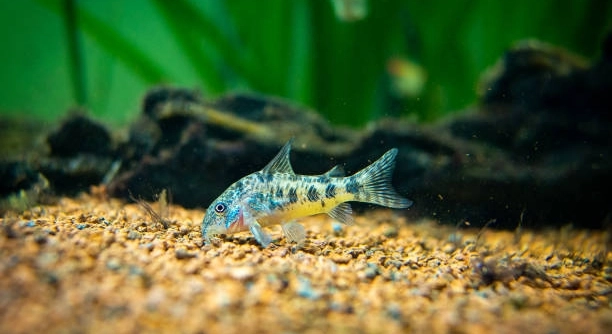
Corydoras catfish are peaceful, bottom-dwelling fish, but sometimes they can become more active than usual. This restlessness can be confusing for their owners, who might not know what’s causing the behavior.
Several factors could be at play, including changes in water quality, stress from tankmates, or even their natural feeding habits. It’s important to monitor their environment closely to ensure they feel safe and comfortable.
Understanding the reasons behind their restlessness will help you improve their well-being and ensure they stay healthy and happy.
Water Quality Issues
Poor water quality is one of the main reasons why Corydoras catfish may become restless. These fish are sensitive to their environment, and even small changes in the water can affect their behavior. Things like ammonia, nitrite, and nitrate levels need to be regularly monitored to prevent stress. Temperature fluctuations can also play a role, as Corydoras prefer stable conditions.
If the water is too warm or cold, the catfish may become more active in an attempt to find a comfortable spot. Make sure to perform regular water changes and invest in a good filtration system to maintain a clean, stable environment for them. Keeping the water clean is essential for their health, and it can significantly reduce stress.
Changing water conditions can also lead to spikes in harmful chemicals that stress Corydoras out. Frequent water testing and proper filtration can help prevent this, ensuring your fish stay happy and calm. Regular maintenance is key to avoiding any unnecessary restlessness.
Tankmates and Social Behavior
Sometimes, Corydoras catfish act restlessly due to incompatible tankmates. Corydoras are peaceful fish, and when kept with aggressive or overly active species, they may become stressed. When in close quarters with dominant fish, Corydoras might feel threatened, causing them to swim around more than usual.
The stress of competition for food or territory can lead to increased movement as the catfish try to avoid their more aggressive neighbors. Choosing tankmates carefully is important for keeping the tank peaceful and preventing unnecessary activity. Incompatible fish may cause them to constantly move, which can be tiring and lead to further stress.
Consider housing Corydoras with other peaceful species that won’t stress them out. Creating a calm, low-stress environment with appropriate tankmates will help them thrive and reduce any restlessness they might display.
Feeding Habits
Corydoras catfish may become more active if they’re not getting enough food or if they’re hungry. These fish are bottom feeders, which means they search for food on the tank floor. If their food isn’t reaching them, they might become restless in their search for it.
Sometimes, tank mates can outcompete Corydoras for food, leaving them feeling anxious or hungry. To help, offer sinking pellets or special food designed for bottom dwellers. You can also feed them at specific times to ensure they’re getting the proper nutrition without the added stress of competition.
Overfeeding can also lead to other problems, such as poor water quality. Finding the right balance and feeding routine will not only reduce restlessness but also keep your tank in better shape. Aim for a schedule that meets their needs without causing harm to the environment.
Breeding Behavior
When Corydoras catfish are ready to breed, their behavior can change. This natural cycle may cause them to become more active as they search for a mate or prepare to lay eggs. They may swim more or even chase each other.
Breeding behavior in Corydoras can cause some stress if they don’t have a suitable environment for spawning. During this time, they need calm water and the right conditions to feel comfortable. Make sure to maintain stable water parameters to avoid stressing them out during this period. If the environment is too noisy or crowded, they might act restlessly.
Keeping an eye on their behavior during breeding seasons will help you notice any changes and ensure that they feel safe while they are mating. It’s important to create an environment where they can breed without disruption to their overall well-being.
Lack of Hiding Spots
Corydoras catfish enjoy having places to hide, and without them, they can become restless. They naturally seek shelter to feel secure and avoid stress. Without hiding spots, they may swim excessively to find safety.
Adding plants, rocks, or caves will give them areas to retreat to when needed. This simple change can make a big difference in their overall behavior. The more hiding spots, the better, as it will allow them to feel at ease and less likely to swim around anxiously.
Tank Size and Space
A tank that’s too small for Corydoras can make them feel cramped and restless. These fish prefer having plenty of room to explore and search for food. If they don’t have enough space, their natural behaviors will be hindered.
Ensure that the tank is large enough for the number of Corydoras you have. A tank that is too crowded can lead to increased aggression, stress, and restlessness. Providing more space allows them to swim freely and reduces unnecessary tension between them and their tankmates.
Environmental Changes
Any sudden changes in the environment can cause Corydoras catfish to act more restlessly. New decorations, tank maintenance, or water changes can all disrupt their routine and lead to stress.
To minimize this, make changes gradually. Corydoras are sensitive to sudden shifts, so small, consistent changes will help them adjust without feeling overwhelmed. This way, they’ll feel more secure and won’t resort to excessive swimming or agitation as a response.
FAQ
What should I do if my Corydoras catfish is acting restless?
If your Corydoras is acting restless, first check the water quality. High levels of ammonia or nitrites can cause stress. Make sure to perform a water change and ensure the tank is properly filtered. If the water is clean, examine their tankmates for any signs of aggression. If the restlessness continues, check for potential breeding behavior or hunger.
Can stress make Corydoras catfish more active?
Yes, stress can cause Corydoras to become more active. They may swim erratically or excessively if they feel threatened. Common stress factors include poor water quality, aggressive tankmates, or lack of hiding spots. Identifying and addressing these stressors can help reduce their restlessness.
How often should I change the water in my Corydoras tank?
Water changes should be done regularly, about once a week or every two weeks, depending on the tank size and stocking levels. Consistent water changes help maintain water quality and prevent harmful chemical buildups, keeping your Corydoras catfish comfortable and reducing restlessness caused by poor water conditions.
Do Corydoras catfish prefer having tankmates?
Corydoras are peaceful fish and do well in community tanks with other non-aggressive species. However, aggressive or territorial tankmates can cause them stress, leading to increased restlessness. Choose tankmates carefully to ensure a calm and stress-free environment for your Corydoras.
What type of food should I feed my Corydoras catfish?
Corydoras are bottom feeders and prefer sinking pellets, wafers, or frozen foods like bloodworms and brine shrimp. Ensure that the food is appropriate for bottom dwellers, so they can reach it easily. Overfeeding should be avoided, as leftover food can deteriorate water quality and lead to further stress.
Can Corydoras catfish tolerate a lot of light?
Corydoras prefer low to moderate lighting. Bright lights can stress them out, causing them to swim more than usual. Providing dim lighting or creating shaded areas in the tank can help your Corydoras feel more comfortable and reduce restlessness.
Why does my Corydoras catfish swim at the surface?
Corydoras are generally bottom dwellers, but if they swim at the surface, it could indicate poor water quality, low oxygen levels, or stress. Check the oxygenation and ensure the water is properly filtered. It may also be a sign of discomfort due to overcrowding or aggression from tankmates.
How can I tell if my Corydoras is stressed?
Signs of stress in Corydoras include erratic swimming, hiding more than usual, or staying near the surface. They may also stop eating or show signs of aggression. Identifying and removing stressors like poor water quality or aggressive tankmates is important to prevent further restlessness.
Is it normal for Corydoras to become more active during breeding?
Yes, increased activity can be a sign that your Corydoras is ready to breed. They may swim in more erratic patterns as they search for a mate. During breeding, they may lay eggs in sheltered areas of the tank. Ensure that their environment is stable to avoid stress during this period.
Can my Corydoras catfish become too active from overfeeding?
Yes, overfeeding can lead to stress and cause Corydoras to become more active as they search for food. Excess food can affect water quality, which in turn can cause restlessness. Feed your Corydoras the right amount, and avoid overfeeding to maintain a healthy and calm environment.
Are Corydoras sensitive to temperature changes?
Corydoras are sensitive to temperature changes and prefer a stable range, typically between 72°F and 78°F (22°C to 26°C). If the water temperature fluctuates too much, it can cause stress, leading to increased activity. Keep the temperature consistent to prevent restlessness.
What is the best tank setup for Corydoras catfish?
A proper tank setup for Corydoras should include soft, fine substrate to prevent injury, hiding spots like caves or plants, and adequate water filtration. The tank should be spacious enough to allow free movement and reduce stress. Proper maintenance, including regular water changes, is crucial for their well-being.
Can Corydoras handle strong current in the tank?
Corydoras prefer calm waters and may struggle in tanks with strong currents. A powerful current can make them feel unsafe and stressed, leading to restlessness. It’s best to have gentle filtration and avoid creating too much flow in the tank to maintain a peaceful environment.
How do I prevent my Corydoras from becoming restless?
To prevent restlessness, maintain optimal water quality, provide appropriate tankmates, and offer hiding spots. Regular feeding schedules, low stress levels, and proper tank conditions will help your Corydoras feel secure. Monitoring their behavior closely can help identify any potential causes of restlessness early on.
Is it normal for Corydoras catfish to swim in circles?
Corydoras swimming in circles may be a sign of stress or agitation. It could indicate poor water quality, insufficient space, or an issue with tankmates. Check the water parameters and ensure they have enough space to swim freely. If the behavior continues, assess their environment for any stressors.
Do Corydoras need to be in groups?
Corydoras are social fish and thrive in groups of at least three or more. Being in a group reduces stress and allows them to display natural behaviors. If kept alone or in pairs, they may feel more vulnerable and exhibit restlessness. A group will help them feel more secure and calm.
How long do Corydoras catfish live?
Corydoras catfish typically live for 5 to 10 years, depending on their environment and care. Providing proper water quality, tankmates, and a balanced diet will help extend their lifespan. A stable environment is key to keeping them healthy and reducing stress-related behavior.
What water conditions do Corydoras catfish prefer?
Corydoras prefer slightly acidic to neutral water with a pH range of 6.0 to 7.5. The hardness should be between 2 and 20 dGH, and the water temperature should stay between 72°F and 78°F. Maintaining these conditions will reduce restlessness and keep your fish healthy.
Do Corydoras need a lid on the tank?
Corydoras typically stay on the bottom of the tank, but some species may occasionally swim near the surface. While it’s not absolutely necessary to have a lid, it can help prevent any jumping accidents, especially if the tank has other active fish that might disturb the catfish.
Final Thoughts
Corydoras catfish are generally peaceful and low-maintenance, but like any pet, they can sometimes display restless behavior. Understanding the causes behind this restlessness can help you create a better environment for your fish. Common reasons for their agitation include poor water quality, lack of hiding spots, improper tankmates, and stress. By addressing these factors, you can reduce the chances of your Corydoras becoming overly active and ensure they live a long, healthy life in your aquarium.
Maintaining stable water conditions is crucial for Corydoras catfish. They are sensitive to changes in water quality, temperature, and oxygen levels. Regular water changes, along with monitoring the pH and hardness, will help prevent stress. Keep an eye on the tank’s filtration system, as it’s essential for keeping the water clean and ensuring that the fish feel comfortable. Furthermore, providing them with hiding spots, plants, and other structures will allow them to retreat when feeling insecure. A well-maintained tank is key to a calm and peaceful environment.
Another important factor is the tankmates. Corydoras thrive in peaceful community tanks with non-aggressive fish. Aggressive or territorial species can lead to stress, causing the catfish to become more restless. When choosing tankmates, ensure they are compatible in size, temperament, and activity level. A harmonious tank setup, where all species get along, is ideal for reducing restlessness and promoting a calm atmosphere. By paying attention to water quality, tank setup, and tankmates, you can help your Corydoras catfish feel secure and minimize stress-related behavior.

Hello,
If you enjoy the content that we create, please consider saying a "Thank You!" by leaving a tip.
Every little bit helps us continue crafting quality advice that supports the health, happiness, and well-being of pets around the world, for pets of all shapes, sizes, and species.
We really appreciate the kindness and support that you show us!