
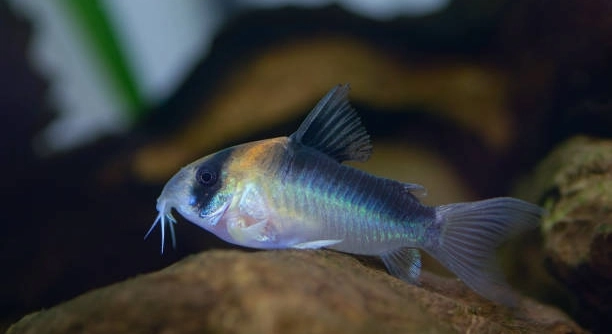
Corydoras catfish are popular freshwater fish that thrive in clean, stable tank environments. Poor tank conditions can lead to stress and health problems. It’s important to recognize the signs that something might be wrong with your aquarium setup.
A Corydoras catfish suffering from poor tank conditions will often display signs of stress or illness. These include abnormal swimming patterns, lethargy, loss of appetite, and physical changes such as discoloration or damaged fins.
Identifying these symptoms early will help you address the issue before it worsens, ensuring your fish remains healthy and happy in its environment.
Symptoms of Poor Water Quality in Your Corydoras Catfish
One of the most obvious signs that your Corydoras catfish is struggling due to poor tank conditions is a change in its swimming behavior. Healthy Corydoras fish are active and tend to move around the tank in a relaxed manner. If your catfish is frequently swimming near the surface or struggling to stay upright, it’s a red flag that something’s wrong. This behavior can be caused by low oxygen levels or the presence of harmful chemicals like ammonia or nitrates in the water.
Water temperature is another important factor to monitor. Corydoras catfish are sensitive to sudden changes in temperature. When the water is too cold or too warm, the fish may become sluggish or disoriented. Always ensure your tank is within the ideal temperature range for Corydoras, usually between 72-78°F (22-25°C). Inconsistent temperatures can put your catfish under stress, weakening its immune system and making it more prone to illness.
If you notice your Corydoras exhibiting erratic swimming, losing interest in food, or spending an unusual amount of time near the tank’s filter or heater, these are all signs that the water quality needs to be checked immediately. Taking the necessary steps to improve the tank’s conditions will help your fish regain its strength and vitality.
The Role of Tank Filtration
Tank filtration plays a vital role in keeping your Corydoras catfish healthy. Poor filtration can lead to a buildup of harmful substances in the water. When your filter is not working properly, it can cause ammonia and nitrate levels to rise, both of which are toxic to your fish.
A properly maintained filter keeps the water clean, removing debris and excess waste that would otherwise degrade the water quality. In addition to regular cleaning, it’s essential to monitor the filter’s efficiency and replace or clean filter media as needed. Consider investing in a filter that suits the size of your tank and the needs of your fish.
With proper filtration, you’ll prevent many common tank problems, such as cloudy water, foul odors, and unhealthy fish. It’s an essential step toward providing a safe environment for your Corydoras catfish to thrive.
Signs of Stress in Corydoras Catfish
Stress in Corydoras catfish is often triggered by poor tank conditions such as high levels of toxins, inadequate filtration, or fluctuating temperatures. When stressed, your catfish may display abnormal behavior, such as hiding more than usual or becoming less active.
In addition to erratic swimming or lethargy, stressed Corydoras may also stop eating or show signs of rapid breathing. If the tank conditions are not addressed quickly, stress can weaken the fish’s immune system, making it more susceptible to disease. Always check the water parameters regularly to ensure they remain stable and within ideal ranges for your fish.
If your Corydoras is stressed, it’s important to investigate the root cause. Start by checking the water quality and temperature. Ensure the tank is properly filtered, and if necessary, perform a water change to reduce harmful substances. A calm and stable environment is essential for your Corydoras to recover and thrive.
Impact of Overcrowding on Corydoras Catfish
Overcrowding in the tank can significantly impact the health of your Corydoras catfish. When there are too many fish in a confined space, the oxygen levels drop, and waste products like ammonia build up more quickly. This creates an unhealthy environment for your catfish.
In crowded tanks, Corydoras may show signs of stress and aggression, especially if there isn’t enough space to swim freely. Aggressive behavior can also occur as a result of competition for food and hiding spots. Overcrowding often leads to an increase in diseases, as the weakened immune systems of fish make them more susceptible to infection.
To prevent overcrowding, make sure to choose the right tank size for the number of fish you have. Also, regularly clean the tank and monitor the water quality to ensure a healthy environment for your Corydoras. Proper tank maintenance and adequate space will help your fish stay calm and healthy.
Poor Water Chemistry
Unbalanced water chemistry can lead to various health problems for your Corydoras catfish. Improper pH levels, high ammonia, or elevated nitrate levels can all cause stress, affecting the catfish’s behavior and overall health. Regular water testing is crucial.
To maintain the right water chemistry, regularly check pH, ammonia, nitrate, and nitrite levels. Corydoras thrive in slightly acidic to neutral water, with pH between 6.0 and 7.5. Frequent water changes help maintain balance and remove toxins, creating a healthier environment for your fish.
Adding live plants can help absorb excess nutrients and improve water quality, while a proper filtration system ensures cleaner water for your Corydoras.
Inadequate Diet
An inadequate diet can cause health problems for your Corydoras. Feeding them a diet lacking in essential nutrients can lead to weakness and poor immune function. A varied diet is necessary for optimal health.
To ensure your Corydoras are getting the right nutrition, feed them a mix of high-quality pellets, sinking wafers, and occasional live or frozen foods like brine shrimp or bloodworms. This helps mimic their natural diet and provides them with the necessary vitamins and minerals to stay healthy.
Tank Maintenance
Regular tank maintenance is essential for the health of your Corydoras catfish. Keeping the tank clean, changing the water frequently, and maintaining the filtration system are all vital tasks to prevent poor tank conditions.
Routine cleaning and water changes remove waste, uneaten food, and harmful chemicals that can build up over time. Check your filter regularly to ensure it’s running efficiently. By staying on top of tank maintenance, you can help your fish thrive and reduce the likelihood of health issues.
FAQ
What are the ideal water parameters for Corydoras catfish?
Corydoras catfish thrive in slightly acidic to neutral water, with a pH range of 6.0 to 7.5. The water temperature should be kept between 72°F and 78°F (22-25°C). Ammonia and nitrite levels should always be at 0 ppm, while nitrates should stay below 20 ppm. Regular water testing is key to ensuring these levels remain stable.
How often should I change the water in my Corydoras tank?
You should perform a partial water change every 1-2 weeks, depending on the tank size and the number of fish. In tanks with more fish or smaller water volumes, more frequent water changes may be necessary. A 25-30% water change is ideal to keep the environment clean without stressing the fish.
Can Corydoras catfish live in a tank with other species?
Yes, Corydoras catfish are peaceful and social fish, making them ideal tank mates for other calm species. They do well with other peaceful bottom dwellers, like other catfish species, small tetras, and livebearers. Avoid keeping them with aggressive fish that may bully them.
Why is my Corydoras catfish breathing rapidly?
Rapid breathing in Corydoras catfish is often a sign of poor water quality, low oxygen levels, or stress. Check the tank’s oxygen levels, water temperature, and ammonia levels. Rapid breathing can also be a sign of disease or injury, so monitoring your fish closely is essential.
How do I know if my Corydoras catfish is sick?
Look for signs such as loss of appetite, abnormal swimming behavior (like staying at the surface or swimming erratically), discoloration, torn fins, or a bloated abdomen. These are common signs of stress or illness, often caused by poor water conditions or underlying health issues.
Can Corydoras catfish survive in a tank without a filter?
While Corydoras catfish can technically survive in a tank without a filter, it’s not ideal. A filter helps maintain water quality by removing debris and harmful substances like ammonia and nitrates. Without proper filtration, the water will quickly degrade, leading to health issues for your fish.
What should I do if my Corydoras catfish has damaged fins?
Damaged fins are typically caused by injury or aggression. If the fins are not too severely damaged, they may heal on their own over time. However, ensure that the tank environment is stress-free, with stable water conditions and no aggressive tankmates. If the damage is severe, consider isolating the fish in a quarantine tank and treating it for infection.
Can I keep Corydoras catfish in a tank with high-flow water?
Corydoras catfish prefer slow-moving water, so they may struggle in tanks with strong currents. High-flow water can stress them out and make it harder for them to swim. If your tank has high water flow, use a sponge filter or add decorations that block the current to create a calm environment for your Corydoras.
How do I keep my Corydoras catfish active?
Corydoras are naturally active fish that enjoy exploring the substrate in the tank. To keep them active, provide hiding spots like caves and plants, and feed them a variety of foods to encourage foraging behavior. Ensure the water conditions are optimal, as poor water quality can lead to lethargy and stress.
Can Corydoras catfish live in a tank with other bottom dwellers?
Corydoras catfish generally get along well with other peaceful bottom dwellers. You can keep them with other species like other types of Corydoras, loaches, and small snails. However, avoid keeping multiple species of bottom dwellers that may compete for the same space or food.
Why is my Corydoras catfish not eating?
If your Corydoras catfish isn’t eating, it may be a sign of stress, poor water quality, or illness. Check the water parameters and ensure that the food being offered is appropriate for them. Corydoras are bottom-feeding fish and prefer sinking pellets or wafers. If they continue to refuse food, consult a veterinarian for possible health issues.
Do Corydoras catfish need a lot of space in their tank?
Corydoras catfish are small, but they still need enough space to swim and explore. Ideally, keep at least six Corydoras together in a tank of 20 gallons or more. This group will allow them to exhibit natural social behavior and reduce stress. Ensure there are enough hiding spots and space for the fish to feel comfortable.
Can I breed Corydoras catfish in a home aquarium?
Yes, Corydoras catfish can be bred in a home aquarium, but it requires specific water conditions and care. To encourage breeding, maintain stable water parameters with a slightly acidic pH and a temperature of around 74-78°F (23-25°C). Provide a variety of food, and ensure the tank has both hiding spots and open space for the fish to lay eggs. Once eggs are laid, remove the parents to prevent them from eating the eggs.
How can I tell if my Corydoras catfish is stressed?
Stressed Corydoras may show signs such as erratic swimming, rapid gill movement, hiding more often, or exhibiting lethargy. Poor water quality, aggressive tankmates, or overcrowding can cause stress. Check the water parameters and environment, and make necessary changes to alleviate the stress.
Is it necessary to quarantine new Corydoras catfish before introducing them to an established tank?
Yes, quarantining new fish is highly recommended to prevent introducing diseases into your established tank. Quarantine the new Corydoras in a separate tank for 2-4 weeks to monitor for signs of illness before introducing them to the main tank. This helps protect your existing fish from potential health risks.
Final Thoughts
Corydoras catfish are generally hardy fish that can thrive in well-maintained tanks with proper care. However, like all fish, they can be sensitive to poor tank conditions. Keeping the water clean, balanced, and at the right temperature is crucial to maintaining their health. Regular water testing and changing the water will help avoid the build-up of harmful chemicals that could harm your Corydoras. Creating an environment that mimics their natural habitat, with plenty of hiding spots and a calm water flow, will also keep them stress-free and healthy.
In addition to water quality, a proper diet is essential for your Corydoras’ well-being. These fish are bottom feeders, so providing sinking pellets, wafers, and occasional live or frozen foods will help meet their nutritional needs. A balanced diet supports their immune system, growth, and overall vitality. Always be mindful of overfeeding, as leftover food can pollute the tank and affect the water chemistry. Offering a variety of foods will not only keep them active but also prevent health issues caused by a lack of essential nutrients.
Understanding the signs of stress or illness is key to preventing serious health problems. If you notice any changes in behavior, eating habits, or physical appearance, take immediate action by checking the water quality, assessing the tank’s environment, and considering the possibility of illness. Early intervention can often prevent further complications. By following the right care practices and staying attentive to your Corydoras catfish’s needs, you can enjoy healthy, active fish for years to come.

Hello,
If you enjoy the content that we create, please consider saying a "Thank You!" by leaving a tip.
Every little bit helps us continue crafting quality advice that supports the health, happiness, and well-being of pets around the world, for pets of all shapes, sizes, and species.
We really appreciate the kindness and support that you show us!