
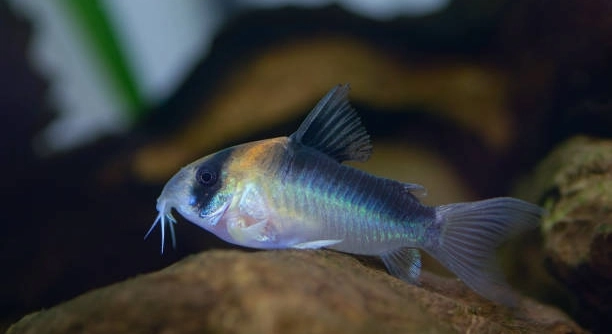
Corydoras catfish are peaceful creatures that thrive in community tanks. However, it’s essential to monitor their comfort levels with tank mates. Understanding how they interact can ensure a harmonious environment for all the fish in your aquarium.
To determine if your Corydoras catfish is comfortable with its tank mates, observe its behavior. Key signs include relaxed swimming patterns, lack of aggression, and active interaction with other species. A stressed Corydoras will hide or display unusual behavior.
Recognizing these signs will help you create a safe, stress-free space for your Corydoras. This article will explore the key indicators to look for.
Understanding Corydoras Behavior in a Community Tank
Corydoras catfish are known for their calm and peaceful demeanor, but their comfort with tank mates is crucial to their well-being. When placed with compatible fish, they usually swim peacefully, foraging together in the substrate or resting in sheltered spots. However, if they are stressed, they may display signs of discomfort, such as hiding more often or retreating to the corners of the tank. Monitoring their behavior when introduced to new tank mates will help you identify if the environment is right for them. While they are social and enjoy the company of other peaceful species, aggressive or overly active tank mates can disrupt their tranquility.
The key to a healthy community tank is ensuring that Corydoras have appropriate companions. This will help them feel secure and reduce stress. A peaceful environment allows them to exhibit natural behaviors like group foraging and active exploration.
If a Corydoras catfish feels threatened, it may stop foraging or swim nervously around the tank. Avoid placing them with fast-moving or territorial fish. When Corydoras feel safe, they will interact calmly with other species and appear relaxed. Observing these signs is essential to understanding their comfort level.
Signs of Stress in Corydoras Catfish
If your Corydoras catfish is stressed, it will show through its behavior. Common signs include hiding more than usual or swimming erratically. A stressed catfish may also appear lethargic or lose interest in foraging. Changes in body posture or excessive scratching against objects in the tank can indicate discomfort.
A major sign of stress in Corydoras is when they start to retreat into hiding spots. This may happen due to changes in water conditions or the presence of aggressive tank mates. If this behavior becomes persistent, it’s essential to check the environment, including water quality and temperature.
Corydoras are bottom dwellers, and they typically feel safest when they have plenty of hiding spaces. If they seem to be constantly searching for refuge, it’s an indication that they are feeling threatened. This can lead to more severe health issues if not addressed. Proper tank maintenance and gentle tank mates can help restore balance and comfort.
Tank Mates That Are Suitable for Corydoras
Corydoras do best with peaceful fish that won’t threaten their quiet nature. Smaller, non-aggressive fish such as guppies, tetras, or peaceful barbs can make excellent tank mates. These fish are similar in size and temperament, ensuring a calm, harmonious environment.
When choosing tank mates for Corydoras, avoid fast-swimming or territorial species. These can stress out Corydoras by invading their space or making them feel crowded. Corydoras prefer a peaceful, non-competitive environment, so it’s crucial to pair them with fish that aren’t overly dominant. Tank mates that swim too aggressively may also stress your Corydoras into hiding or result in fights over territory.
In addition to fish, you may also want to include live plants and decorations that allow the Corydoras to hide or explore freely. This will provide them with a sense of security. Ensuring peaceful cohabitation will promote healthier behavior and enhance their comfort within the tank.
Monitoring Water Quality for a Comfortable Environment
Water quality plays a significant role in the well-being of Corydoras catfish. Poor water conditions, such as high ammonia or nitrate levels, can cause stress and health problems. Regular water changes and monitoring parameters like pH and temperature will ensure your Corydoras stay comfortable.
Maintaining a clean tank is essential for Corydoras’ happiness. These catfish are sensitive to pollutants and toxins, which can cause discomfort or illness. Test water regularly to check for imbalances and take action if needed. Keeping the water stable will help avoid stressing out your fish.
Ideal Tank Setup for Corydoras
A well-planted tank with soft, fine substrate is ideal for Corydoras catfish. These bottom dwellers prefer to sift through the substrate in search of food. A tank with plenty of hiding spots, such as rocks and caves, also helps them feel secure. A gentle filter ensures good water circulation without creating strong currents that could make them feel uneasy.
Corydoras thrive in environments where they can explore, forage, and rest undisturbed. Adding live plants not only offers hiding spots but also mimics their natural habitat. A proper setup helps reduce stress and encourages active, healthy behavior.
Behavior to Watch For
When Corydoras are comfortable, they swim calmly and interact with tank mates. If they suddenly become more reclusive or exhibit odd swimming patterns, stress might be the cause. Observe their movements for any signs of discomfort, such as darting or excessive hiding.
FAQ
How can I tell if my Corydoras is stressed?
If your Corydoras is stressed, it may swim erratically, hide more often, or show a lack of interest in foraging. It may also stay in one spot, rubbing against objects or the tank’s surface. Watch for any changes in behavior, as they are the first signs of stress.
Can Corydoras catfish live with other species?
Yes, Corydoras are peaceful and can live with a variety of other species. They do best in a community tank with non-aggressive, smaller fish like guppies, tetras, and peaceful barbs. Avoid aggressive or territorial fish that may stress them out.
What size tank do Corydoras need?
Corydoras catfish need at least a 20-gallon tank, though a larger tank is always better. They are social fish that should be kept in groups of at least four to six individuals. A larger tank gives them space to swim and explore, promoting their overall health.
Do Corydoras prefer soft or hard water?
Corydoras catfish prefer soft to moderately hard water, typically with a pH between 6.0 and 7.5. It’s important to test the water regularly to ensure the water parameters match their needs. Consistently stable water conditions are key to their well-being.
Why do Corydoras dig in the substrate?
Corydoras are natural bottom dwellers and love to sift through the substrate in search of food. This behavior helps them find small particles and food scraps. Using soft, fine substrate will ensure their safety and comfort while they explore.
Can Corydoras live with shrimp?
Yes, Corydoras can live with shrimp as long as the shrimp species is not too small or delicate. Some larger shrimp species, like Amano or cherry shrimp, can thrive alongside Corydoras. However, always monitor interactions to ensure no harm comes to the shrimp.
Are Corydoras catfish active at night?
Corydoras are more active during dawn and dusk, typically foraging for food on the tank’s substrate. While they might swim at night, they are generally less active in complete darkness. Adding low-level lighting can help them maintain a comfortable routine.
How can I help my Corydoras feel safe in the tank?
To make your Corydoras feel safe, provide plenty of hiding spots, such as caves, rocks, and live plants. They thrive in a peaceful environment, so avoid aggressive tank mates. Regular water changes and stable parameters also promote their comfort and reduce stress.
Do Corydoras need a filter?
Yes, Corydoras benefit from a filter that ensures clean water and good circulation. However, the filter should not create strong currents, as Corydoras prefer calm water. A sponge filter is often a good choice to provide gentle filtration without disturbing them.
What do Corydoras eat?
Corydoras are omnivores and enjoy a varied diet. They typically feed on sinking pellets, live or frozen foods like bloodworms and brine shrimp, and small bits of vegetables. It’s important to provide a balanced diet to keep them healthy.
How can I tell if my Corydoras is happy?
Happy Corydoras swim actively, often in groups, and engage in natural behaviors like foraging and resting in safe spots. They interact peacefully with other tank mates and appear relaxed. When stressed, they may stop these activities and retreat to hidden areas.
Can Corydoras live in a tank with a strong current?
No, Corydoras prefer calm waters. A strong current can stress them out, causing them to hide or swim against the flow. It’s best to choose a filter or water flow setup that maintains gentle movement, so they feel safe and comfortable.
How do I introduce new tank mates to Corydoras?
Introduce new tank mates gradually. First, ensure the new species are compatible with Corydoras, and choose peaceful fish. Add the new fish in small groups to avoid overwhelming your Corydoras. Watch their behavior closely for any signs of aggression or stress.
Why are my Corydoras hiding all the time?
Corydoras may hide if they feel stressed, sick, or uncomfortable with their environment. Check the water parameters, tank mates, and hiding spots. If the issue persists, observe the fish closely for signs of illness or discomfort, such as rubbing or loss of appetite.
Do Corydoras need a heater?
Yes, Corydoras prefer temperatures between 72-78°F (22-26°C). A heater is necessary to maintain a stable water temperature, especially in colder climates. Rapid temperature fluctuations can stress them out, so it’s crucial to keep the tank at a consistent, comfortable level.
What is the best substrate for Corydoras catfish?
Corydoras prefer soft, fine substrate like sand or small, rounded gravel. This allows them to forage without injuring themselves. Avoid sharp-edged substrates that can harm their sensitive barbels. A soft, smooth substrate will keep them comfortable while they search for food.
How long do Corydoras live?
Corydoras catfish typically live for 5 to 10 years with proper care. Providing them with a stable tank environment, appropriate tank mates, and regular maintenance can help extend their lifespan. Regular monitoring and attention to their needs are key to keeping them healthy.
Can I keep Corydoras in a planted tank?
Yes, Corydoras catfish thrive in planted tanks. Plants provide hiding spots, reduce stress, and help create a more natural environment. Be mindful of plant species with sharp edges that could harm your Corydoras. Floating or softer plants are ideal for their comfort.
Final Thoughts
Corydoras catfish are peaceful and adaptable creatures that can thrive in a well-maintained tank with suitable tank mates. These fish are easygoing and enjoy calm environments where they can sift through the substrate for food. Providing them with the right water conditions, a good tank setup, and proper care will help keep them comfortable and healthy. Monitoring their behavior is essential in understanding their needs, as any changes in behavior could indicate stress or discomfort.
When selecting tank mates for Corydoras, it’s important to consider the species’ temperament. Corydoras do well with peaceful, non-aggressive fish like tetras, guppies, and other community tank species. Avoid keeping them with aggressive fish or those that may be too large or active, as this can cause stress. Providing plenty of hiding spots and ensuring a gentle water flow will also help them feel secure in their environment. These small adjustments can go a long way in making your Corydoras feel comfortable and content in your tank.
In summary, Corydoras catfish make excellent additions to most community tanks. With the right care, they will thrive for many years, bringing a peaceful and calming presence to your aquarium. By keeping a close eye on their behavior, ensuring stable water quality, and choosing compatible tank mates, you can enjoy the company of these charming fish for a long time. Taking the time to create an ideal environment for them will pay off in the form of healthy, happy Corydoras.

Hello,
If you enjoy the content that we create, please consider saying a "Thank You!" by leaving a tip.
Every little bit helps us continue crafting quality advice that supports the health, happiness, and well-being of pets around the world, for pets of all shapes, sizes, and species.
We really appreciate the kindness and support that you show us!