
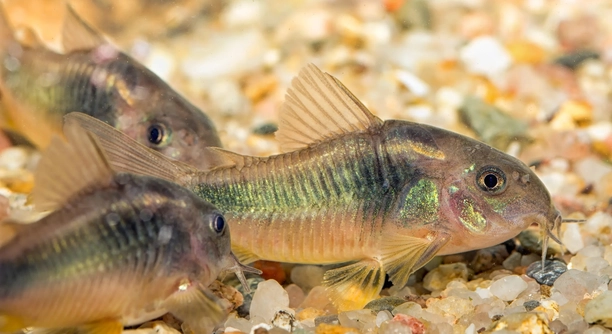
Have you ever noticed your Corydoras catfish behaving oddly, only to find one has jumped out of the tank unexpectedly? This situation can be stressful and heartbreaking for any fish owner.
The most effective way to prevent Corydoras catfish from jumping out of the tank is to maintain proper water conditions, provide adequate hiding spots, and use a secure, tight-fitting lid. These steps support their natural behavior and reduce stress.
Learning how to prevent this behavior can help protect your fish and create a safer, more comfortable tank environment for them.
Use a Secure Lid on Your Aquarium
A tight-fitting lid is one of the simplest and most effective ways to stop Corydoras from jumping out of the tank. These fish are generally calm but can become startled during water changes, sudden movements, or when other fish are too active around them. Without a lid, even a brief moment of panic can result in a Corydoras launching itself out of the tank. A lid also helps maintain humidity and temperature while reducing evaporation. Make sure the lid has no open gaps, especially around filter tubing or power cords. Clear plastic or glass lids are ideal as they let in light and make it easy to monitor your fish. Also, avoid lifting the lid too often or leaving it open after feeding. Consistent use of a lid adds a simple but important layer of safety to your setup. It’s a reliable way to protect your fish from accidental harm.
This step is quick to apply and keeps your tank environment stable while protecting your fish.
You’ll feel more at ease knowing your Corydoras are safe, even if something startles them when you’re not around.
Keep the Water Clean and Well-Oxygenated
Poor water quality can make Corydoras restless and more likely to jump.
Maintaining stable water parameters helps prevent sudden behavior changes. These fish need clean, well-oxygenated water with minimal fluctuations. Test for ammonia, nitrite, nitrate, and pH regularly, and do partial water changes every week. Keep the temperature steady and avoid sharp increases or drops. An air stone or sponge filter helps with oxygen levels and gives them gentle current. Dirty water or high toxin levels can make Corydoras uncomfortable or stressed, prompting escape behaviors. It’s also important not to overcrowd the tank. Too many tankmates can affect oxygen levels and increase waste. Limit feeding to what they can finish in a few minutes to avoid leftover food rotting and clouding the water. The goal is to keep the tank environment calm and predictable. When Corydoras feel safe and the water is healthy, they’re far less likely to act erratically or try to leave the tank.
Provide Hiding Spots and Low-Light Areas
Corydoras catfish are bottom dwellers that appreciate having places to hide. When they feel exposed or threatened, they may try to escape. Adding caves, driftwood, or plants helps them feel more secure and stay relaxed.
Using natural or artificial hiding spots allows Corydoras to rest without stress. You can use ceramic tubes, live plants like Java fern, or rock caves. These spaces also give them somewhere to retreat during cleaning or when other fish are active. Keeping the tank dimly lit or adding shaded sections can also help. Overhead lighting should be gentle and not too harsh. Stress from bright lighting or too much movement around the tank can lead to jumping. Rearranging decorations occasionally also keeps their environment stimulating without being overwhelming. A comfortable setup makes them feel safe and keeps them grounded.
They are more active during twilight hours, so dim lighting supports their natural rhythm. Place décor in clusters to mimic natural hiding areas and leave enough open swimming space in the front. It’s important not to overcrowd with decorations, as this can make the tank feel cramped. A mix of cover and space gives Corydoras the balance they need to feel safe without becoming anxious or startled. This setup lowers stress and keeps them from jumping.
Avoid Sudden Disturbances
Fast movements and loud noises near the tank can scare Corydoras. These fish are sensitive and respond quickly to anything unfamiliar. Moving slowly and speaking softly near their tank helps avoid startling them.
Limit tapping on the glass or moving objects above the tank. Fishkeepers sometimes forget how even small changes—like dropping a tool or moving decorations—can cause a strong reaction. Cleaning tools should be introduced slowly. Feed them at the same time each day, and avoid reaching in the tank suddenly. If you have children or pets, keep them from approaching the tank quickly or banging on it. Try to perform water changes gently, using a siphon instead of dumping water in. If they associate your presence with calm, predictable actions, they’ll stay relaxed. Reducing outside disturbances creates a steady environment, which helps your Corydoras feel safe and reduces their urge to escape when startled.
Quarantine New Fish Before Adding
Introducing new fish without quarantine can stress existing tank mates. New arrivals may carry diseases or parasites that upset water balance or behavior. A stressed Corydoras may start acting unpredictably, including jumping attempts. A two-week quarantine period helps reduce this risk.
Use a separate tank with a filter and heater to monitor new fish. Watch for signs of illness, and treat if necessary before adding them to the main tank. Keeping your established Corydoras safe from sudden changes supports calmer behavior and reduces stress-related jumping.
Maintain a Peaceful Tank Environment
Aggressive tank mates can cause your Corydoras to panic and try to escape. Always choose compatible species that are peaceful and won’t chase or nip at your catfish. Avoid fast-swimming fish that dominate the space or hog food. Corydoras prefer calm tank environments and do best with slow-moving, community-friendly fish. Give all tank mates enough room by not overstocking. Adding too many fish increases stress levels and competition. Make sure food reaches the bottom where Corydoras eat. Balanced tank dynamics reduce pressure on your Corydoras and prevent anxiety. When they’re not constantly avoiding conflict, they stay settled and are less likely to jump.
Cover Filter Openings and Gaps
Filters with open tubing or gaps near the waterline can create spaces for Corydoras to jump through. Use mesh or pre-filter sponges to block these areas and reduce the chance of accidents.
FAQ
Why do Corydoras catfish try to jump out of the tank?
Corydoras may jump when they feel unsafe, stressed, or uncomfortable in their environment. Poor water conditions, sudden movement, or lack of hiding spaces can cause them to panic. Loud noises or disturbances outside the tank can also startle them. In some cases, they may jump during spawning or while exploring new areas. Keeping the tank environment stable and predictable helps reduce this behavior. Always make sure the tank has a lid or cover to prevent escape. Even small gaps can lead to accidents with active or startled Corydoras.
How can I tell if my Corydoras are stressed?
Signs of stress include erratic swimming, hiding constantly, loss of appetite, or gasping at the surface. They may also show duller coloration or interact less with tank mates. Stress often happens when water parameters are off, when aggressive fish are present, or when the tank lacks places to hide. Regularly checking water quality, feeding consistently, and avoiding sudden disturbances help reduce stress. If the tank setup meets their needs, your Corydoras will appear more relaxed and move around the bottom of the tank steadily without quick, jerky movements.
Do Corydoras need a tank lid?
Yes, a secure tank lid is essential for Corydoras. They are capable of quick movements, especially if startled. A lid keeps them from jumping out and injuring themselves or drying out. Even small gaps between the lid and tank edge can be risky. If using a mesh or screen, make sure the openings are small enough to prevent them from squeezing through. A tight-fitting lid not only keeps fish inside but also reduces water evaporation and helps maintain a stable temperature. It’s one of the simplest ways to avoid accidents.
Can bright lighting affect Corydoras behavior?
Bright lights can make Corydoras uneasy. They are naturally found in shaded, murky waters and prefer low-light conditions. Harsh lighting can cause them to hide more or behave nervously. If the tank is too bright, they might rush to escape or jump in an attempt to find cover. Using floating plants or adjusting the lighting schedule to mimic dawn and dusk can help. Avoid turning lights on and off suddenly, as this can be startling. Soft transitions and gentle lighting help them feel safer and less reactive.
Is it okay to keep Corydoras alone?
Corydoras are social fish that do best in groups. Keeping only one can lead to loneliness and stress. Ideally, keep at least five to six together to allow natural behaviors like group foraging and synchronized swimming. When kept alone or in too small a group, they may become skittish or hide often. A proper group helps reduce anxiety and keeps them active and content. Larger groups also make it easier to spot any unusual behavior, such as signs of illness or stress that may lead to jumping.
What water parameters do Corydoras prefer?
Corydoras thrive in soft, slightly acidic to neutral water. The ideal temperature is between 72°F and 78°F, with a pH around 6.5 to 7.5. They also prefer stable water conditions, so sudden changes should be avoided. Ammonia and nitrite should always be at zero, and nitrates should stay below 20 ppm. Regular testing, partial water changes, and not overfeeding help keep the environment balanced. Poor water quality can stress Corydoras quickly, leading to erratic behavior, surface gasping, or jumping. Keeping parameters consistent supports their overall health and safety.
What should I do if a Corydoras jumps out of the tank?
If a Corydoras jumps out, act quickly. Gently pick it up with clean, wet hands and return it to the tank. If it’s been out for just a short time and shows signs of movement, it can usually recover. Turn off lights to keep things calm and give the fish time to rest. Watch it closely for the next few hours. If it has any visible injuries, it may need isolation in a recovery tank with clean, warm water and gentle filtration. Prevent future jumps by checking the lid and any open areas around the tank.
Final Thoughts
Preventing Corydoras catfish from jumping out of the tank takes consistency and awareness. These fish are peaceful and easy to care for, but they still need a safe, stable home to thrive. A tight-fitting lid is one of the most important things to have. Even a small opening can lead to a serious accident. Many owners do not expect their Corydoras to jump, but it can happen in a moment of stress or surprise. Taking a few extra steps to secure the tank helps avoid that risk.
Paying attention to tank conditions is just as important. Clean water, stable temperature, and a calm environment go a long way in keeping Corydoras relaxed. Avoid sudden lighting changes or loud noises around the tank. Use plants or decorations to create cover, giving your fish a place to feel safe. Keep them in groups so they can display their natural behavior and feel less anxious. When they’re comfortable, they’re less likely to act unpredictably or try to escape.
Watching how your Corydoras behave will help you spot issues early. If they seem jumpy, stressed, or keep heading to the surface, it’s time to review your setup. Make small changes where needed. Replace missing cover, test the water, or adjust the lighting. Sometimes, it’s just a matter of making their environment more suited to their needs. These changes may seem simple, but they can make a big difference. By keeping a calm, secure tank, you’re giving your Corydoras a better quality of life and keeping them safe from harm.

Hello,
If you enjoy the content that we create, please consider saying a "Thank You!" by leaving a tip.
Every little bit helps us continue crafting quality advice that supports the health, happiness, and well-being of pets around the world, for pets of all shapes, sizes, and species.
We really appreciate the kindness and support that you show us!