
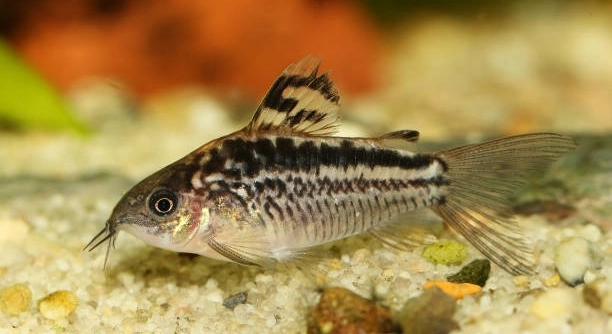
Is your Corydoras catfish always swimming in the same spot, making you wonder if something might be wrong with its behavior?
Corydoras catfish often stay in one spot due to stress, poor water conditions, lack of stimulation, illness, or natural resting behavior. Understanding these causes can help identify the issue and ensure a healthier environment for your fish.
Knowing what influences this behavior will help you make simple changes and keep your Corydoras comfortable and active in its tank.
1. Poor Water Conditions
Corydoras are sensitive to their water environment. If the tank has high levels of ammonia, nitrite, or nitrate, they may stay in one spot to avoid discomfort. Clean, stable water helps them move around more freely. Test the water regularly using a reliable kit, and make sure the pH is balanced and within the safe range of 6.0–8.0. Water temperature should be kept between 72°F and 78°F. Any sudden changes in these levels can lead to stress or illness. Stick to a regular cleaning schedule, avoid overfeeding, and perform partial water changes weekly to maintain proper tank conditions.
A stressed or weakened fish often limits its movement, especially in harsh water.
If your Corydoras has been staying still, checking the water should be your first step. Dirty or chemically imbalanced water often affects their ability to breathe and function normally. Take time to clean the substrate and filter, too. Even small buildups of waste can make a big difference in how your fish behaves. Look for signs of gasping, rapid gill movement, or red patches on the body—these may point to a water issue. Keeping their environment safe and clean is one of the easiest ways to help them return to active, healthy swimming patterns.
2. Lack of Oxygen
In tanks with poor aeration, fish may stay near filters or water movement sources where oxygen is higher.
Low oxygen levels can cause Corydoras to remain in one area, especially where water flow is stronger and oxygen is more available. This can happen in overstocked tanks or in setups with little surface movement. Make sure your tank has enough water circulation, either from a bubbler or a filter outlet that disturbs the surface. Adding live plants that release oxygen can help as well, but avoid overplanting, which might trap waste. Regular maintenance and moderate stocking levels make a big difference. If your fish seem to gather in one place often—especially near air stones or filters—it’s worth checking the oxygen levels. You can use a dissolved oxygen test kit to measure this. Increasing aeration can help them swim more comfortably and reduce signs of distress. Keep a balanced environment, and your Corydoras will thank you with active, natural behavior.
3. Illness or Injury
A Corydoras that isn’t feeling well may stop moving around and stay in one spot for long periods. This is often a natural way for them to rest and conserve energy when something feels off inside their body.
Illness in Corydoras can come from infections, parasites, or injuries from rough tank décor or aggressive tank mates. Watch for cloudy eyes, white spots, frayed fins, or swelling. These signs usually show up before the fish becomes fully inactive. Injuries are also a concern, especially if your tank has sharp decorations or coarse gravel. If you spot physical damage, isolate the fish in a hospital tank and begin treatment with aquarium-safe medication. Keep the water extra clean and avoid any sudden temperature changes. Recovery often takes time, but early action makes a big difference. Prevent future problems by creating a safe space with soft substrates and calm tank companions.
Sometimes illness isn’t visible right away. Corydoras can hide symptoms until they become serious. If your fish continues sitting in the same spot despite clean water and good tank conditions, start monitoring eating habits and breathing patterns. Refusal to eat, gasping, or swimming sideways can all indicate a health issue. Taking the time to observe these small details helps catch problems before they get worse. Medication, isolation, and gentle care often bring positive results, but always double-check that treatments are appropriate for bottom-dwelling species like Corydoras. Healthy recovery is possible when you act quickly and pay attention to subtle changes.
4. Stress from Tank Mates
Aggressive tank mates can cause Corydoras to retreat and stay in one corner to avoid confrontation. Even peaceful fish can become territorial, especially in small tanks with limited space and hiding spots.
Stress from other fish often goes unnoticed at first. Corydoras are peaceful by nature and don’t usually fight back. If housed with fast swimmers or nippy fish, they may become withdrawn and inactive. Constant chasing or bumping can make them feel unsafe. Over time, this can lead to a drop in activity, poor appetite, and weaker immune response. To fix this, rearrange the tank décor to break up sightlines and create new hiding places. Consider separating aggressive species or moving your Corydoras to a more peaceful setup. Adding more Corydoras can help, too, since they prefer to be in groups and feel safer that way. Providing the right tank mates and layout helps reduce stress and supports healthier, natural behavior.
5. Natural Resting Behavior
Corydoras often stay in one spot when they are resting. It’s normal for them to take breaks during the day, especially after feeding or exploring.
If your fish is breathing normally and shows no signs of illness, it may just be relaxing. Short resting periods are not a concern.
6. Low Light or Nighttime Activity
Corydoras are more active during low light or at night. If your tank lighting is bright during the day, they may stay still and wait for dimmer conditions to explore. Use softer lighting or provide shaded areas with plants or decorations to help them feel more secure. Giving them a natural day-night rhythm helps keep their behavior balanced and predictable. They often become livelier in the evening or after lights go out. Don’t worry if they’re less active during the day, especially if everything else in the tank looks normal. It’s just part of their daily pattern and not a reason to panic.
7. Boredom or Lack of Stimulation
A tank without variety can cause fish to lose interest and stay still. Add plants, hiding spots, or driftwood to create a more engaging space.
FAQ
Why does my Corydoras sit in one place for hours?
This behavior is usually linked to resting, stress, or environmental discomfort. Corydoras sometimes stay still to rest, especially after eating or swimming a lot. But if it happens too often, it might point to issues with water quality, poor tank conditions, or bullying from other fish. Make sure the tank is clean, the temperature is stable, and that your Corydoras has enough hiding spots. If there are no visible signs of illness, resting in one place may be completely normal. However, keep an eye on patterns. A sudden change in behavior is always worth investigating.
Do Corydoras need to be in groups to be active?
Yes, Corydoras are social and feel more comfortable when kept in groups of at least five or six. When kept alone or in pairs, they can become shy, withdrawn, or inactive. In a group, they swim together, forage more confidently, and generally act more naturally. Isolation makes them feel vulnerable, which can lead to them staying in one place most of the time. If you only have one or two, adding more can significantly improve their behavior and well-being. A peaceful, social environment is key to keeping these fish active and stress-free.
Can poor water quality cause this behavior?
Absolutely. Corydoras are sensitive to toxins like ammonia, nitrite, and nitrate. When water parameters are off, they may stop moving and stay in one spot. Test your water regularly using a reliable test kit. Make sure ammonia and nitrite are at 0 ppm, and keep nitrates under 20 ppm. Perform regular water changes, clean the substrate gently, and avoid overfeeding. Also, use a good filter with low flow that doesn’t stir up the bottom too harshly. Even if the tank looks clean, hidden issues in water chemistry can affect your fish’s behavior fast.
Is bright lighting affecting my Corydoras?
Yes, it could be. Corydoras prefer dim lighting and can get stressed under bright or intense tank lights. They may seek darker corners and remain still when the lights are on. Try using a softer light or placing floating plants to block out some of the brightness. You can also provide shaded hiding areas with driftwood or broad-leaved plants. Letting them settle in a calm environment encourages natural foraging and swimming behavior. A softer lighting setup often results in a more relaxed and active fish.
How do I know if my Corydoras is sick or just resting?
Check for signs like clamped fins, labored breathing, white patches, swelling, or unusual swimming. If your Corydoras is resting but still responsive and eats normally, it’s probably just fine. But if it’s avoiding food, breathing fast, or seems bloated or discolored, it’s time to take action. Isolate the fish if needed, and begin treatment based on symptoms. Always treat gently and use meds that are safe for scaleless fish. Observe patterns—sick fish don’t usually return to normal behavior after resting. Healthy fish bounce back quickly once they’re done napping.
Can a Corydoras get bored?
Yes. While they’re peaceful and calm, they still need stimulation. A bare tank can leave them with nothing to explore, which leads to inactivity. Adding live or silk plants, tunnels, or leaf litter gives them more places to explore. Even rearranging the tank from time to time can help. Corydoras love sifting through soft substrate—use sand instead of gravel to encourage natural foraging. Enrichment matters more than people think, especially for bottom dwellers. A curious Corydoras is usually a healthy one.
Do temperature changes affect their behavior?
They do. Corydoras thrive in water that stays between 72°F and 78°F. If it gets too cold or too warm, they may slow down or hide in one spot. A drop in temperature can weaken their immune system, making them more vulnerable to illness. Sudden spikes can stress them out, especially if paired with low oxygen levels. Always use a reliable heater and thermometer to maintain stable conditions. Even small changes can influence how active they are throughout the day. Keep the environment steady, and they’ll stay much more comfortable.
Final Thoughts
Watching your Corydoras catfish stay in one spot all the time can feel confusing at first, especially if you’re used to seeing them swim around in groups or explore the bottom of the tank. While it’s true that Corydoras sometimes rest or pause for short periods, constant stillness usually points to something else. It may be stress, poor water quality, illness, loneliness, or changes in the tank. Each of these causes can affect how your fish behaves day to day. Taking time to observe what’s happening, and making small adjustments, can often make a big difference in how your Corydoras acts.
Start by checking the basics. Look at your water parameters, test the temperature, and clean the tank regularly without overdoing it. Make sure the filter works well but doesn’t stir the water too much. Offer hiding spaces like plants and driftwood to make the environment feel safe. If you only have one or two Corydoras, consider adding more to create a proper group. These fish are social and thrive in groups of five or more. Also, take a close look at their diet. A balanced mix of sinking pellets, frozen or live foods, and soft vegetables can improve their energy levels. If you ever notice signs of illness like pale color, bloating, clamped fins, or heavy breathing, isolate the fish and begin treatment early.
Most of the time, Corydoras will show you something is wrong through their behavior. Staying still in one place over and over is often their way of saying something isn’t right. But the good news is that with simple steps, you can often solve the issue and help them return to their normal, active selves. Giving them the care they need doesn’t mean doing anything too fancy—it just takes a little attention, patience, and consistency. Once their environment feels safe and steady, Corydoras usually become playful again, swimming together and exploring the tank like they naturally do. Taking small actions now can keep them healthier in the long run and help you feel more confident as a fish keeper.

Hello,
If you enjoy the content that we create, please consider saying a "Thank You!" by leaving a tip.
Every little bit helps us continue crafting quality advice that supports the health, happiness, and well-being of pets around the world, for pets of all shapes, sizes, and species.
We really appreciate the kindness and support that you show us!