
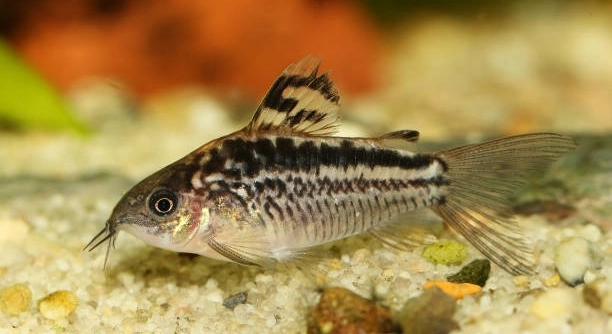
Corydoras catfish are popular aquarium fish known for their peaceful nature. However, if you notice them rubbing against decorations, it could signal something more than simple curiosity. Understanding this behavior is important for their well-being.
Rubbing against tank decorations can be a sign of irritation, stress, or physical discomfort. It may indicate issues like skin infections, parasites, or environmental factors, such as water quality problems. Addressing these issues promptly ensures the health of your fish.
Resolving these concerns quickly helps maintain a healthy and comfortable environment for your catfish, improving their overall quality of life.
Common Causes of Rubbing Behavior in Corydoras Catfish
Rubbing behavior in Corydoras catfish can be a sign that something isn’t quite right in their environment. One of the most common reasons is skin irritation, often caused by parasites like Ich or skin flukes. These parasites can cause discomfort, leading the fish to rub themselves against surfaces in an attempt to relieve the irritation. Additionally, poor water quality or high levels of ammonia and nitrites can cause stress, making fish more prone to abnormal behaviors. It’s important to test the water regularly to ensure levels are safe.
If the water is improperly balanced, the fish’s immune system weakens, leaving them vulnerable to infections and parasites. It’s essential to maintain stable water conditions and to perform regular water changes to reduce the risk. Keeping the tank clean and avoiding overcrowding can also prevent undue stress.
Rubbing against tank decorations can also be a sign of wounds or skin abrasions. This might happen if tank accessories or rough surfaces are present. If you notice any visible injury on your catfish, check the environment for potential hazards.
How to Identify and Treat Skin Infections
Skin infections in Corydoras catfish may arise from environmental stressors, such as unclean water or injuries from decorations. A common indicator of infection is the appearance of lesions or a white film on the skin. If your catfish shows signs of infection, isolating them in a quarantine tank can prevent the spread of illness to other fish.
Treatment for skin infections usually involves improving water conditions and using medicinal treatments designed for freshwater fish. Treating the infected catfish with salt baths or using medications to target the infection can help promote healing. Regularly monitor the tank’s temperature, pH levels, and ammonia concentrations during this process.
Another key step is removing any sharp objects or rough decorations that could cause further injury. By ensuring a clean and safe environment, you’ll help your fish heal faster and reduce the risk of future infections.
Water Quality and Its Impact on Behavior
Water quality plays a major role in your Corydoras catfish’s health. Poor water conditions, such as high ammonia or nitrite levels, can cause stress and discomfort. Regular water changes and proper filtration help maintain a healthy environment for your fish, reducing the likelihood of behavior changes like rubbing against surfaces.
Test the water regularly to ensure ammonia, nitrite, and nitrate levels are within safe ranges. Using a reliable water testing kit will help prevent spikes that could harm your catfish. In addition to regular water changes, clean the filter to ensure it’s working properly.
Corydoras are particularly sensitive to poor water quality. Even small changes in the water’s chemical balance can lead to irritation. Adjusting water parameters, including temperature and pH, will promote better health and reduce stress in your catfish. Ensuring stable water conditions should be a top priority in any aquarium setup.
Parasites and External Infections
Parasites, such as Ich and skin flukes, are common reasons for rubbing behavior in Corydoras. These external parasites can attach to the fish’s skin and gills, causing irritation. Infected fish may attempt to rub against decorations to relieve the discomfort. Parasites can be introduced by contaminated plants, new fish, or dirty equipment.
To treat these infections, it’s important to isolate the affected fish to prevent the spread of parasites. Use anti-parasitic medications specifically designed for freshwater fish. Additionally, increase water temperature slightly, as it speeds up the life cycle of the parasites, making them easier to treat.
During treatment, continue to monitor the fish for any changes in behavior or worsening of the infection. If the issue persists, consult a veterinarian experienced with aquarium fish. This will ensure your fish receive the proper care to recover fully.
Tank Environment and Decorations
The design of your tank can influence your Corydoras catfish’s behavior. Sharp or rough decorations may cause injury, leading to rubbing. Smooth, rounded surfaces are preferable to prevent abrasions and discomfort. Ensure the tank’s decor is safe for all your fish.
If you notice your catfish rubbing against tank features, inspect them for any sharp edges or abrasive surfaces. Replacing or adjusting decorations might help reduce this behavior. Avoid overcrowding the tank with too many objects, as this can also stress your fish and increase rubbing incidents.
Stress and Overcrowding
Corydoras catfish are sensitive to stress, and overcrowding is one of the main contributors. A tank with too many fish increases competition for space and resources, causing anxiety. This stress can lead to rubbing behavior as the fish try to cope with their discomfort.
Ensure your tank has ample space for each fish to swim comfortably. Follow the recommended stocking density to avoid overcrowding. When the fish have enough room, they feel safer and are less likely to engage in stress-driven behaviors like rubbing against objects in the tank.
Tank Mates and Aggression
Aggressive tank mates can contribute to rubbing behaviors in Corydoras. When these fish feel threatened by more dominant species, they may rub against tank decorations as a way of coping with stress. Even subtle aggression can lead to this kind of response.
Ensure that all fish in the tank are compatible with Corydoras catfish. If aggression is present, consider separating the aggressive species or increasing hiding spots to give your catfish a sense of security. This will help reduce their stress and lower the likelihood of rubbing behavior.
FAQ
Why is my Corydoras catfish rubbing against decorations?
Rubbing behavior in Corydoras catfish is typically a sign of discomfort or irritation. This can be caused by various factors such as poor water quality, parasites, or rough tank decorations. If you notice your fish rubbing against surfaces, it may be attempting to relieve irritation from skin issues or stress. Regular water testing, removing sharp objects, and ensuring your tank environment is clean are essential steps to addressing the problem.
How can I treat parasites in my Corydoras catfish?
Parasites like Ich or skin flukes are common causes of rubbing in Corydoras catfish. To treat parasites, it’s important to first isolate the affected fish to prevent them from spreading to other tank inhabitants. Anti-parasitic medications specifically designed for freshwater fish can be used to treat these infections. Increasing the water temperature slightly can speed up the life cycle of the parasites, making them easier to treat. Always follow the instructions on the medication to ensure proper dosing.
Can poor water quality cause my fish to rub against objects?
Yes, poor water quality is one of the leading causes of stress in Corydoras catfish. Elevated levels of ammonia, nitrites, or nitrates can irritate the fish’s skin and gills, prompting rubbing behavior. Regular water changes and testing the water parameters are essential to maintaining a healthy environment. Aim to keep ammonia and nitrite levels at 0 ppm and nitrate levels under 20 ppm. Clean the filter regularly to maintain water clarity and avoid contamination.
How can I prevent my Corydoras catfish from rubbing against surfaces?
To prevent rubbing, focus on improving the water quality and reducing stress in the tank. Regular water changes, proper filtration, and maintaining stable water parameters are key. Avoid sharp or rough decorations that could injure your fish. Providing enough space and hiding spots also helps reduce stress, making your fish feel more secure. Check for any signs of infection or parasites and treat them promptly. Keeping the tank environment clean and safe can help prevent rubbing behavior from occurring.
Can Corydoras catfish get sick from rubbing against decorations?
Yes, Corydoras catfish can injure themselves if they rub against rough or sharp decorations. This could lead to skin abrasions or infections. Continuous rubbing may cause physical damage to the skin, making the fish more vulnerable to secondary infections. Ensuring that tank decorations are smooth and free of sharp edges will reduce the risk of injury. Regularly check your fish for any visible wounds, and if needed, quarantine any injured fish to allow for proper healing.
Are Corydoras catfish sensitive to high temperatures?
Corydoras catfish are sensitive to temperature fluctuations, and sudden changes can cause stress. The ideal water temperature for Corydoras is between 72-78°F (22-26°C). Temperatures above this range may cause the fish to become stressed, leading to abnormal behaviors, including rubbing. Additionally, high temperatures can reduce oxygen levels in the water, further stressing the fish. Always monitor the temperature in your tank and avoid drastic shifts that could harm your fish.
How often should I change the water in my Corydoras tank?
Water changes are crucial for maintaining healthy water quality. In general, it’s recommended to change 20-30% of the water every 1-2 weeks, depending on the tank’s size and stocking density. If your tank has a high fish population or if you notice poor water quality, you may need to increase the frequency of water changes. Always use a water conditioner to remove chlorine or chloramine and ensure that the water is at the appropriate temperature before adding it to the tank.
Can aggressive tank mates cause Corydoras to rub against objects?
Yes, aggressive tank mates can stress Corydoras catfish, causing them to rub against surfaces in the tank. If the fish feel threatened or harassed by more dominant species, rubbing behavior may increase. To reduce aggression, make sure your tank mates are compatible with Corydoras. Providing plenty of hiding spots and plants can help give your catfish a sense of security and reduce stress. If aggression is severe, consider removing the aggressive species or separating them into different tanks.
Should I use aquarium salt for my Corydoras catfish?
Aquarium salt can be used to treat certain skin conditions in Corydoras catfish, such as mild infections or wounds. However, Corydoras are sensitive to salt, so it should be used with caution. Always follow the recommended dosage on the salt packet, and do not exceed it. Before using salt, ensure that the tank’s inhabitants are tolerant of it. If your Corydoras are showing signs of stress or irritation, it’s best to consult with a veterinarian before treating with salt.
What are the signs that my Corydoras catfish are stressed?
Common signs of stress in Corydoras catfish include hiding more than usual, rubbing against decorations, rapid gill movement, and reduced feeding. Stressed fish may also show signs of aggression or lethargy. Causes of stress can range from poor water quality and incompatible tank mates to overcrowding and lack of hiding spots. Addressing the underlying cause of stress will help your fish recover and prevent further behavior issues. Regular water testing, a comfortable tank environment, and compatible tank mates are key to reducing stress.
Is it normal for Corydoras catfish to be active at night?
Corydoras catfish are nocturnal to some extent, meaning they are often more active during the evening and night. They may spend the day resting or hiding in shaded areas of the tank and become more active when the lights are dimmed. This is normal behavior for them. If they’re constantly active at night, it may indicate a disturbance in their environment, such as overcrowding or poor water quality. Observe their activity levels and make sure the tank conditions are optimal.
Final Thoughts
Rubbing behavior in Corydoras catfish can be a sign of various underlying issues, such as poor water quality, parasites, or stress. It is important to assess the tank’s conditions to identify the cause. Regular maintenance, including water changes, proper filtration, and monitoring water parameters, can help prevent many of the common problems associated with this behavior. Ensuring that the tank environment is safe and comfortable for your fish is key to their overall well-being.
Addressing tank decorations and avoiding sharp or rough surfaces is another critical step in minimizing rubbing behavior. Smooth, rounded rocks and decorations reduce the risk of injury and give the fish a safer environment to swim. If rubbing persists, it is important to check for signs of infections or parasites and treat them promptly. If you notice any injuries or wounds on your fish, consider isolating the affected fish to prevent further harm and allow for proper healing.
Understanding and maintaining the right environment for your Corydoras catfish helps prevent stress and supports their health. A healthy tank with proper water conditions and compatible tank mates ensures that your fish live happily without engaging in unwanted behaviors. Keeping an eye on their activity and behavior can help you spot issues early, allowing you to make adjustments before they become more serious. Following the basic guidelines for tank care will provide your Corydoras with a long, healthy life.

Hello,
If you enjoy the content that we create, please consider saying a "Thank You!" by leaving a tip.
Every little bit helps us continue crafting quality advice that supports the health, happiness, and well-being of pets around the world, for pets of all shapes, sizes, and species.
We really appreciate the kindness and support that you show us!