
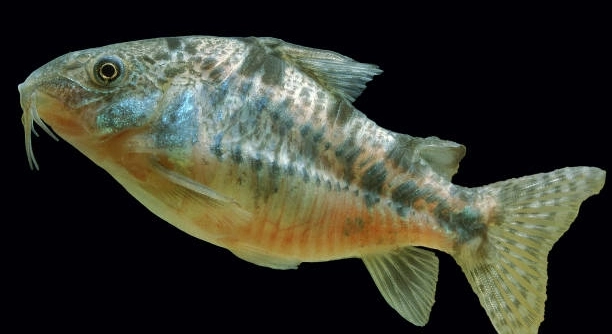
Water changes can sometimes stress out fish, and your Corydoras catfish might become less active after one. This change can be linked to shifts in water conditions or other environmental factors affecting their behavior.
Corydoras catfish may appear less active after a water change due to sudden changes in water temperature, pH levels, or water chemistry. These shifts can cause temporary stress or discomfort, affecting their usual behavior and activity levels.
Understanding the reasons behind this change can help you maintain a healthy environment for your fish and keep them active.
Sudden Changes in Water Temperature
When you perform a water change, the temperature of the water may differ from the previous setup. Corydoras catfish, being sensitive to temperature changes, might become stressed. If the water temperature is either too hot or too cold, it can impact their activity level. The change causes the fish to adjust, and during this time, they might retreat to a less active state.
Small changes in temperature can affect the fish’s metabolism and make them feel sluggish. Maintaining a consistent water temperature is crucial to ensuring they stay comfortable.
To minimize the impact of temperature changes, try to match the temperature of the new water to that of the aquarium. Gradual water changes also help, as they prevent sudden shifts that might stress your catfish.
Fluctuations in pH Levels
A shift in the water’s pH after a water change can cause discomfort for your Corydoras catfish. These fish prefer stable conditions, and changes in pH can disrupt their environment. When their pH levels fluctuate too much, the fish may become stressed and reduce their activity.
Testing the pH levels before and after a water change will help keep them within the optimal range for your Corydoras. It’s always best to use a water conditioner that stabilizes pH and other essential minerals, creating a more comfortable environment for your fish.
Stress from Water Chemistry
Changes in water chemistry, such as the hardness or the levels of ammonia and nitrites, can affect the activity of Corydoras catfish. After a water change, if the chemical balance is off, it can lead to stress and lethargy. Corydoras are particularly sensitive to poor water quality.
You should regularly monitor the water’s chemistry to ensure it’s suitable for your fish. Proper filtration and a stable environment help reduce stress. If your water tests show imbalances, consider using a water treatment to correct the levels. A balanced aquarium keeps your Corydoras active and healthy.
Poor Water Quality
After a water change, poor water quality can cause your Corydoras catfish to become less active. If the tank isn’t properly filtered or if excess waste is left behind, the water may contain toxins. These pollutants can stress your fish, leading them to become lethargic.
Make sure the water is free from ammonia, nitrites, and nitrates by using water testing kits. Regular water changes with proper filtration help maintain clean water. Cleaning your tank regularly and removing leftover food or debris reduces the buildup of harmful substances.
When water quality is not up to par, Corydoras can have difficulty breathing and swimming, resulting in them resting more often. Keeping the tank’s environment clean and well-maintained helps prevent these issues. Consider investing in a reliable filter and an air pump to promote oxygen circulation. A healthier tank means happier, more active fish.
Overfeeding
Overfeeding can affect the water quality and make your Corydoras catfish less active after a water change. Leftover food decomposes in the tank, leading to increased waste and water contamination. This can stress the fish, making them sluggish.
The best practice is to feed your fish in small amounts that they can consume in a few minutes. By avoiding overfeeding, you help maintain water quality and reduce stress on the fish. Monitoring feeding habits is essential, as excessive food can quickly become a problem.
Overfeeding also leads to algae growth, which further decreases water quality. If your Corydoras are still less active after feeding, check if any uneaten food is floating around. Keeping their environment clean can make a significant difference in their behavior and health.
Water Temperature Inconsistencies
Inconsistent water temperatures after a water change can cause your Corydoras catfish to become inactive. Sudden fluctuations make it hard for them to adjust, leading to stress. It’s important to make sure the new water is at the same temperature as the tank water.
Use a thermometer to check both the aquarium and new water temperatures before doing a water change. Gradual water changes help avoid drastic temperature differences that could upset your fish. A more stable temperature will encourage your Corydoras to feel comfortable and stay active in the tank.
Incorrect Water Flow
Too much water movement or insufficient water flow can also affect your Corydoras. These fish prefer calm waters, and fast currents can make them retreat to less active behavior. It’s important to ensure the water flow isn’t overwhelming for them.
A gentle filter or an adjustable flow pump can help you control water movement. Corydoras are naturally bottom dwellers and feel more at ease when the water flow isn’t too strong. Maintaining a calm environment helps prevent unnecessary stress, allowing your fish to stay active.
Lack of Hiding Spots
Corydoras are bottom dwellers and often feel safer in hiding spots. After a water change, the rearrangement of tank decorations might disrupt their sense of security. Without hiding places, they might become stressed and less active.
Make sure your tank has enough hiding spaces, such as caves or plants, where the fish can feel secure. These spaces allow them to rest comfortably without feeling exposed. It’s also a good idea to place the hiding spots in areas with less water flow to ensure they feel safe and active.
FAQ
Why is my Corydoras catfish staying at the bottom of the tank after a water change?
Corydoras catfish are bottom dwellers, and after a water change, they might stay at the bottom due to temporary stress or discomfort caused by water temperature, pH changes, or poor water quality. If the conditions aren’t ideal, they’ll retreat to their preferred environment for safety and recovery. Make sure the tank has stable water parameters, and the fish should become more active once they feel comfortable again.
Can water changes cause stress to Corydoras catfish?
Yes, water changes can cause stress to Corydoras catfish, especially if there’s a sudden change in water temperature, pH, or chemical composition. Corydoras are sensitive to environmental shifts, so it’s important to perform gradual water changes. This minimizes stress and helps the fish adapt to the new water conditions.
How often should I change the water in my Corydoras tank?
For Corydoras catfish, it’s best to change about 20-25% of the tank water once a week. Regular water changes keep the water clean, maintain proper water quality, and ensure a healthy environment for your fish. If you have a heavily stocked tank, you might need to increase the frequency of water changes to keep ammonia, nitrite, and nitrate levels in check.
Can overfeeding affect the activity level of Corydoras catfish?
Yes, overfeeding can impact your Corydoras catfish. Leftover food in the tank decomposes, causing the water quality to deteriorate. Poor water quality increases stress levels, making the fish less active. Feed your Corydoras only what they can consume within a few minutes to avoid excess food and waste buildup.
Should I use a filter for my Corydoras tank after a water change?
Yes, using a filter is essential for maintaining clean water in your Corydoras tank. After a water change, the filter helps remove any debris or particles that might still be floating around. It also helps keep the water oxygenated and maintains the water’s chemical balance, promoting the health and activity of your fish.
How can I make my Corydoras catfish more active after a water change?
To encourage your Corydoras catfish to become more active after a water change, ensure the water temperature, pH, and overall quality are consistent. Providing hiding spots and areas with less water flow can help them feel more secure. Avoid overfeeding and monitor the water chemistry regularly to reduce stress.
Do Corydoras catfish need specific water conditions to thrive?
Corydoras catfish thrive in water with a temperature range of 72-78°F (22-26°C), soft to moderately hard water (GH 4-18), and a slightly acidic to neutral pH (6.5-7.5). It’s important to maintain these conditions to keep your fish healthy and active. Regular water testing helps ensure the water parameters are within the ideal range.
Can Corydoras catfish get sick after a water change?
Corydoras catfish can become more susceptible to illness if the water change causes stress, such as fluctuating temperatures or poor water quality. Stress weakens their immune system, making them more prone to infections. To avoid this, always check the water temperature, pH, and quality before performing a water change, and make sure the environment is stable.
Is it normal for Corydoras to be less active during the day?
Corydoras catfish are typically more active during the evening or night, as they are nocturnal by nature. It’s not unusual for them to be less active during the day, especially if the tank environment is calm and safe. However, if they seem lethargic all the time, check for possible stress factors like poor water quality or changes in water conditions.
How long does it take for Corydoras catfish to adjust after a water change?
Corydoras catfish typically take a few hours to adjust after a water change. They might appear less active initially as they get used to the new conditions. If the water change was gradual and the parameters are stable, they should resume their normal behavior soon. If they remain inactive for a prolonged period, it’s worth checking the water quality.
Can Corydoras catfish become territorial after a water change?
Corydoras catfish are usually peaceful and non-territorial. However, if the water change disrupts their environment or reduces their sense of security, they might temporarily hide or become more cautious. If you notice unusual aggression, it could be related to stress or competition for hiding spots.
Final Thoughts
Understanding the reasons why your Corydoras catfish might be less active after a water change is key to maintaining their health and happiness. Changes in water quality, temperature, or flow can stress these sensitive fish, causing them to retreat and become less active. It’s important to monitor water parameters closely before, during, and after water changes to minimize the impact on your fish. Regular water testing ensures that your tank is a safe and comfortable environment, which helps your Corydoras stay active and healthy.
In addition to water conditions, feeding practices and tank environment also play a role in how your Corydoras behave after a water change. Overfeeding can lead to excess waste in the tank, which deteriorates water quality and can stress your fish. Providing appropriate hiding spots and a stable environment with gentle water flow helps them feel secure, reducing the chances of inactivity. Maintaining a balanced ecosystem within the tank ensures that your Corydoras remain active and enjoy a high quality of life.
If your Corydoras catfish continue to appear inactive despite following these guidelines, it’s a good idea to closely observe their behavior and check for any signs of illness. Stress is a common factor, but sometimes there may be an underlying health issue that needs attention. By staying consistent with water changes, feeding, and tank maintenance, you can create the ideal habitat for your Corydoras to thrive in. Keep an eye on their activity levels, and with a little care, they should be back to their usual playful selves in no time.

Hello,
If you enjoy the content that we create, please consider saying a "Thank You!" by leaving a tip.
Every little bit helps us continue crafting quality advice that supports the health, happiness, and well-being of pets around the world, for pets of all shapes, sizes, and species.
We really appreciate the kindness and support that you show us!