
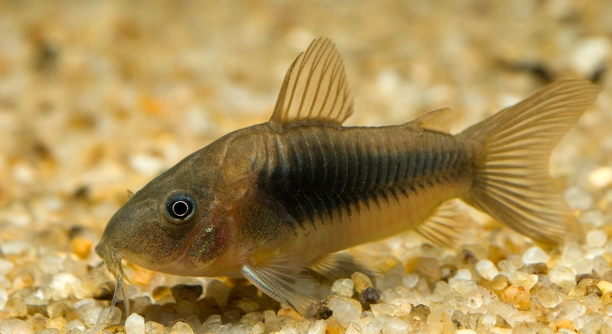
Corydoras catfish are known for their playful nature and love for specific spots in the aquarium. However, there are times when they may avoid their favorite place for reasons you might not expect.
There are several factors that can cause your Corydoras catfish to avoid its favorite spot. These include water quality, stress, health issues, environmental changes, or even competition from other fish. Understanding these factors can help you pinpoint the cause.
Understanding the reasons behind their behavior will help ensure your Corydoras catfish thrives in a comfortable and happy environment. Keep reading to learn more about the factors at play.
Water Quality Issues
One of the most common reasons why your Corydoras catfish may avoid its favorite spot is poor water quality. Corydoras are very sensitive to changes in their environment, and even slight shifts in water conditions can cause stress. Ammonia, nitrites, and high levels of nitrates can all affect their behavior. Additionally, if the pH or temperature of the water isn’t in the right range, it can cause discomfort and force them to retreat. If you’ve recently changed the water, or if the filtration system isn’t working properly, this could be the main issue.
Improving water quality should be your first step in resolving this. Regular water changes, proper filtration, and testing for ammonia, nitrites, and nitrates are essential for keeping your Corydoras happy.
Make sure to keep the water clean, well-oxygenated, and in the right temperature range to prevent your Corydoras from avoiding its favorite spot. Regular water testing and maintenance can help you keep things in check, ensuring your catfish feels safe and comfortable.
Stress from Tankmates
Another possible reason for your Corydoras catfish avoiding its usual spot is stress caused by other tankmates. Corydoras are peaceful creatures and can become anxious if other fish in the tank are aggressive or territorial. If there are fish that chase, nip, or otherwise intimidate them, your catfish may try to hide or find a safer spot. Stress from bullying can cause them to avoid areas where they previously felt comfortable.
To reduce stress, try rearranging the tank or separating more aggressive fish from the Corydoras.
Consider adding more hiding spaces and plants, so your Corydoras has a safe space to retreat to. Creating a peaceful environment will help reduce stress and encourage your catfish to return to its favorite spot.
Health Issues
Health problems can also lead your Corydoras catfish to avoid its favorite spot. Illnesses like parasites, bacterial infections, or injuries can cause discomfort and make the catfish seek refuge in a different area of the tank. A sick Corydoras may not have the energy to swim around its usual spots or may prefer quieter, darker places to rest.
If your Corydoras shows signs of lethargy, abnormal swimming, or visible wounds, it’s time to inspect their health closely. Separate the sick fish and monitor it in a quarantine tank. Treat any diseases immediately.
Regularly check for common signs of health issues, such as loss of appetite, fin rot, or clamped fins. Addressing health concerns quickly is crucial to ensuring your Corydoras feels comfortable and returns to its usual spot soon.
Environmental Changes
Corydoras can be sensitive to changes in their tank environment. Adding new decorations, changing the substrate, or moving the tank around can create stress for your fish. Even subtle changes in the layout can make your Corydoras feel unsettled.
They often prefer familiar surroundings and may avoid their favorite spot temporarily while adjusting to the new environment. After any changes, give them time to adapt, and observe their behavior closely.
If possible, avoid making frequent changes to the tank setup. A stable, predictable environment is best for Corydoras. Try to keep their habitat as consistent as possible to prevent unnecessary stress.
Competition for Space
If there are other fish in your tank, they may be taking over your Corydoras catfish’s favorite spot. Corydoras often enjoy hiding spots, caves, or cozy areas in the substrate. Larger or more dominant fish can push them out.
If another fish is occupying the space your Corydoras prefers, try rearranging the tank or adding more hiding spots. This will help your catfish feel secure.
Providing more hiding places and structures in the tank will allow your Corydoras to have more options for safe spaces, ensuring it doesn’t feel forced to leave its favorite spot due to competition.
Water Movement
Strong water flow or currents can push your Corydoras away from its favorite spot. Corydoras are bottom dwellers and prefer calm water, where they can sift through the substrate.
If your filter or water pump creates too much current, it could be making the catfish uncomfortable. Try adjusting the water flow or relocating the filter.
A more gentle water movement will help your Corydoras feel safe and at ease. This way, your fish will be able to return to its usual spot without the disruption of strong currents.
Overcrowding
An overcrowded tank can cause stress and make your Corydoras avoid certain areas. Too many fish in a small space can lead to aggression, poor water quality, and lack of room to swim.
Make sure your tank is not overcrowded, as this can cause issues for all your fish. Proper stocking levels are essential to maintaining harmony in your aquarium.
Overcrowding is one of the most common causes of stress in aquariums. Maintaining a well-balanced fish population will reduce stress and encourage your Corydoras to feel more comfortable in its favorite spots.
FAQ
Why is my Corydoras catfish suddenly hiding all the time?
Corydoras are usually quite active, but if they’re hiding more than usual, it might indicate stress, illness, or discomfort. A common reason is poor water quality, so it’s important to check for high levels of ammonia, nitrites, or nitrates. Another possible cause is aggression from other fish or even overcrowding in the tank. Make sure your Corydoras has enough space and that there are plenty of hiding spots to reduce stress. If these factors seem fine, consider checking the water temperature and pH, as Corydoras are sensitive to changes.
What can I do if my Corydoras won’t go to the bottom of the tank?
Corydoras catfish are bottom dwellers by nature, so if they’re not spending time at the bottom, it’s likely a sign that something is wrong. The water conditions could be off, or they might be avoiding the bottom due to a change in the substrate or water movement. Sometimes, stress caused by tankmates or illness can also make them avoid the substrate. First, check the water parameters and ensure the flow is gentle enough for your Corydoras to feel comfortable.
How can I tell if my Corydoras is stressed?
Stress in Corydoras can manifest in several ways. They may spend more time hiding, stop eating, or appear lethargic. You might also notice them swimming erratically or rubbing their bodies against objects in the tank, which is a sign of irritation or discomfort. The fish’s fins may appear clamped, or their color could dull. If any of these signs are present, check the water quality, tank conditions, and interactions with other fish. Ensuring that the tank is peaceful and well-maintained will reduce the stress levels of your Corydoras.
Can Corydoras catfish live with other species?
Yes, Corydoras are peaceful fish and usually get along well with other species, especially those that are not aggressive. They are social animals, so they enjoy the company of their own kind and often do better in groups. However, it’s important to avoid tankmates that might nip at their fins or chase them. Species like tetras, guppies, and small gouramis make good companions. Just be sure that all the fish in the tank have similar temperature and water quality requirements.
How often should I feed my Corydoras catfish?
Corydoras are bottom-feeding scavengers, and they will generally look for food on the substrate. They should be fed once or twice a day, offering them small amounts of food that they can easily consume within a few minutes. Overfeeding can lead to poor water quality, so it’s important to avoid leaving excess food in the tank. Their diet can include pellets, freeze-dried worms, and occasional fresh vegetables. Providing variety will keep them healthy and happy.
Why does my Corydoras catfish swim upside down or sideways?
If your Corydoras is swimming upside down or sideways, it could be a sign of swim bladder problems. The swim bladder helps fish maintain buoyancy, and if it’s not functioning properly, the fish may struggle to control its position in the water. This can result from overfeeding, poor water quality, or illness. If you notice these symptoms, check the water parameters and consider fasting the fish for a couple of days to see if that helps. If the problem persists, it may be necessary to treat the fish with specific medication.
What is the ideal tank size for Corydoras catfish?
Corydoras are small fish, but they need enough space to move around and feel secure. The minimum tank size should be at least 20 gallons for a small group of Corydoras. Larger tanks are always better, as they allow for better water quality management and more room for your fish to swim. Make sure the tank has a gentle filtration system and enough hiding spots to help the fish feel comfortable.
Can I keep just one Corydoras catfish in my tank?
Corydoras are social fish and thrive in groups. Keeping just one can lead to stress and loneliness. It’s recommended to have at least three or more Corydoras in the same tank. This helps them feel secure and encourages natural behavior, such as schooling and foraging. If you’re just starting with Corydoras, it’s best to introduce them in groups to ensure their well-being.
How do I create the perfect environment for my Corydoras catfish?
To keep your Corydoras happy, provide a peaceful tank environment with plenty of hiding spots and a soft substrate. Corydoras prefer sandy or smooth gravel substrate since they like to sift through it. Keep the water temperature between 72-78°F (22-26°C) and ensure that it’s well-oxygenated. Regular water changes, proper filtration, and monitoring water parameters are key to maintaining a healthy environment. Avoid sharp objects that could injure your catfish, and always choose tankmates that are peaceful and won’t disturb them.
Why is my Corydoras catfish not eating?
If your Corydoras isn’t eating, it could be due to several factors. Poor water quality is a common cause, as stressed fish may lose their appetite. Illness, bullying from tankmates, or recent environmental changes can also lead to a loss of appetite. Check the water parameters and ensure the tank environment is stable. If the issue persists, consider quarantining the fish and looking for signs of illness.
Final Thoughts
Corydoras catfish are hardy, peaceful creatures that can bring a lot of joy to an aquarium. However, when they start avoiding their favorite spots, it’s important to pay attention to their behavior and investigate the possible causes. The most common factors affecting their comfort include water quality, stress from tankmates, health issues, and environmental changes. It’s essential to maintain a stable environment, as Corydoras are sensitive to fluctuations. Regular water changes, proper filtration, and ensuring peaceful tank conditions can go a long way in keeping your fish happy.
Monitoring your Corydoras’ behavior is key to understanding what might be bothering them. If you notice that they are not spending time in their usual spots, try to identify any changes in their environment. It’s always a good idea to check the water parameters first, as poor water quality is a leading cause of stress in aquarium fish. If the water is clean and the fish appear healthy, take a look at the other factors like tankmates, overcrowding, and the presence of hiding spots. By addressing these potential issues, you can help create a safe and comfortable space for your Corydoras.
Remember that Corydoras thrive in a tank where they feel secure. They are social fish and prefer to be in groups, so ensuring they have companions and enough space is crucial. Additionally, maintaining a peaceful and stable environment will reduce stress and encourage your Corydoras to return to their favorite spots. If your fish continues to avoid their usual areas despite making adjustments, it might be worth seeking advice from a veterinarian or aquarium specialist to rule out any underlying health issues. With a little attention and care, your Corydoras will feel at home again.

Hello,
If you enjoy the content that we create, please consider saying a "Thank You!" by leaving a tip.
Every little bit helps us continue crafting quality advice that supports the health, happiness, and well-being of pets around the world, for pets of all shapes, sizes, and species.
We really appreciate the kindness and support that you show us!