
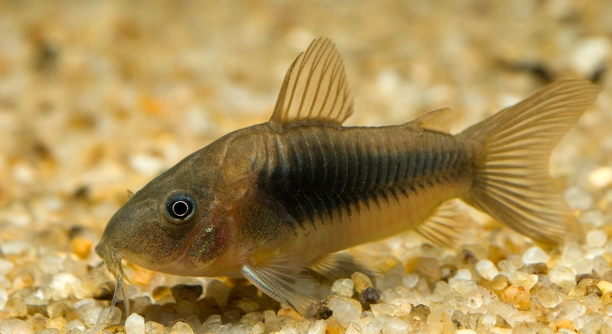
Is your Corydoras catfish spending a lot of time near the filter, leaving you unsure if something might be wrong?
Corydoras catfish often hover near the filter due to strong water flow, increased oxygen levels, or comfort from the consistent current. Other causes may include stress, illness, or seeking warmth in slightly heated areas.
There are several possible reasons for this behavior, and some may be more serious than others. Learning what to watch for can help you better care for your fish.
Theory 1: Your Corydoras Loves the Water Flow
Corydoras catfish often enjoy the current created by aquarium filters. In the wild, they live in streams and rivers where water is always moving. The gentle push of the filter’s flow can feel familiar and comfortable to them. Some catfish will even swim against the current for fun or exercise. If your filter is not too strong, hovering near it can simply mean your fish feels good there. It’s similar to how some fish like to swim through bubbles or rest under a plant—they find spots that suit their habits. As long as the fish is eating, swimming normally, and has no signs of illness, enjoying the flow is not a bad sign. It can even be a sign that your aquarium is providing the right kind of environment. Just make sure other fish in the tank aren’t struggling with the current if your Corydoras seems to enjoy it.
Some Corydoras find comfort near steady water movement, especially if the flow feels like their natural environment.
If your fish seems happy near the filter and isn’t showing signs of stress, this behavior is usually harmless. Still, it’s good to keep an eye on how strong the flow is. Over time, too much current could tire them out or stress other fish nearby. Observing the overall tank behavior helps ensure everyone stays balanced and healthy.
Theory 2: Oxygen Levels Are Higher Near the Filter
Hovering near the filter may mean your Corydoras is seeking more oxygen.
Filters naturally increase oxygen by disturbing the water surface. This helps more oxygen enter the water, especially near the outflow area. If your tank has low oxygen levels, your fish may head toward the filter where breathing feels easier. This often happens if your tank is too warm, overstocked, or lacks enough surface movement. Corydoras are bottom dwellers, but when they sense low oxygen, they’ll move up or toward the filter. You might even see them dart to the surface for quick gulps of air. That’s a sign the tank needs better aeration. Consider adding an air stone or adjusting your filter to create more surface agitation. Also, check the water temperature and avoid overcrowding. Low oxygen can lead to sluggishness and long-term health problems. Observing where your fish spends time helps you know if your tank’s oxygen levels are where they should be.
Theory 3: The Filter Area Feels Safe
Some Corydoras may hover near the filter because it feels like a hiding spot. The filter area is often shaded or has limited movement from other fish.
Corydoras are naturally shy and like to feel secure. If the rest of the tank is too open or bright, they may seek shelter near the filter. It can also offer a break from more active or aggressive tank mates. This behavior is more common in tanks with minimal decorations or plants. Adding more hiding places like caves, driftwood, or plants can help your fish feel safer elsewhere. Watch how your fish behaves when the tank lights are off or when the room is quiet. If they come out more during those times, they’re likely seeking safety when they hang out near the filter. Creating a more peaceful, enriched environment can help reduce this kind of behavior.
If your Corydoras hovers near the filter most of the day, consider changes to the tank layout. A peaceful tank setup includes both open swimming space and quiet hiding spots. This keeps bottom-dwelling fish like Corydoras from feeling exposed. Sometimes, just shifting a plant or decoration to break line of sight helps reduce their need to hide. Safe zones around the tank can boost confidence and improve overall behavior.
Theory 4: The Current Helps With Breathing During Stress
Stress can affect a Corydoras’ breathing, and the current near the filter can help. When stressed, they may move toward stronger flow to get more oxygen or feel more stable.
Stress may come from new tank mates, water changes, loud noises, or poor water quality. Corydoras are sensitive to changes in their environment. When they feel unwell or overwhelmed, they may stay near the filter for comfort or oxygen support. Check if the water parameters are stable—ammonia, nitrites, and nitrates should be in safe ranges. Also, look at tank dynamics to ensure your Corydoras isn’t being bullied or chased. If stress is the issue, you may also notice faster gill movement or less interest in food. Giving them some quiet time, dimming the lights, and improving hiding spots may help them relax and return to normal behavior. Always try to find the source of stress and fix it early.
Theory 5: It’s a Sign of Illness
Sick Corydoras sometimes hover near the filter to cope with discomfort. The flow may help them breathe easier or keep them steady if they feel weak.
Look for other signs like clamped fins, pale color, or lack of appetite. If you notice these, it’s best to test the water and isolate the fish if needed.
Theory 6: Warmer Water Near the Filter
Some filters produce slight heat, especially if they’re built into heaters or close to one. Corydoras may hover there if the tank is a bit too cold overall. Their preferred temperature range is around 72–78°F. If your tank dips below this, they may seek warmth in small heated zones. Check your heater placement and overall tank temperature. Uneven warmth can lead to stress over time, even if the fish appears fine at first. Using a digital thermometer in multiple areas can help you spot hot or cold zones. Making sure the tank stays evenly heated keeps your fish healthier and more comfortable.
Theory 7: It’s Just a Habit
Sometimes fish form routines and return to familiar spots. If your Corydoras always heads to the filter but shows no signs of distress, it could just be a personal habit.
FAQ
Is it normal for Corydoras to swim near the filter?
Yes, it can be normal. Corydoras often enjoy gentle currents, and the area around the filter may feel comfortable or familiar. If your fish seems active, healthy, and is eating well, then hovering near the filter likely isn’t something to worry about. However, if you notice strange swimming patterns, labored breathing, or changes in appetite, it’s good to investigate further. Behavior that seems odd for more than a day or two could signal a change in the tank that needs your attention, like low oxygen or water quality issues.
Can the filter current be too strong for Corydoras?
Yes, if the current is too powerful, it can tire them out. Corydoras are bottom dwellers and not strong swimmers over long periods. If your fish is struggling to move away from the filter or constantly battling the current, consider adjusting the flow. Some filters allow you to reduce the speed or angle the output differently. You can also use decorations or plants to break up the flow. A steady, gentle current is ideal. Too much movement may lead to stress or cause your fish to hide more than usual.
Do Corydoras need extra oxygen?
Corydoras can breathe atmospheric air, but they still need well-oxygenated water. They come up for gulps of air now and then, which is normal. However, if they’re surfacing too often or staying near the filter output, that could mean your tank has low oxygen. Warmer water holds less oxygen, and overcrowding or poor surface movement can make it worse. Make sure your filter creates enough surface agitation. Adding an air stone can also help boost oxygen levels without changing much else in the tank.
How do I know if my Corydoras is stressed?
Signs of stress include hiding more than usual, rapid gill movement, clamped fins, or a loss of appetite. They might also dart to the surface more often or stop interacting with other tank mates. If your Corydoras suddenly starts hovering near the filter all the time, it’s worth checking for changes in water parameters or tank activity. Stress can come from bright lighting, noisy environments, aggressive tank mates, or even sudden temperature shifts. Testing the water and watching for signs of bullying can help you catch the problem early.
Could staying near the filter mean the water is too cold?
Yes, especially if your heater is located near the filter or if you have a filter with built-in heating. Corydoras prefer stable temperatures between 72–78°F. If the rest of the tank is colder than the filter area, they might hang around for warmth. You can use multiple thermometers in different spots to see if the heat is uneven. A consistent and even temperature across the tank helps avoid this behavior. Adjust your heater placement or upgrade your equipment if needed.
What can I do if my Corydoras won’t leave the filter area?
Start by checking your water parameters—ammonia, nitrites, nitrates, temperature, and oxygen levels. Make sure the tank isn’t overcrowded or too bright. Add more hiding spots if the tank feels too open. Consider adjusting the flow or adding an air stone. If all else looks fine, and your fish seems healthy, it might just be a personal habit. Still, small changes to their surroundings can help encourage more natural movement throughout the tank. Keep observing, and don’t ignore sudden shifts in behavior.
Is it safe for my Corydoras to stay near the filter long term?
If the filter area has a gentle flow, safe surroundings, and no strong suction, it’s usually fine. But if your Corydoras is staying there due to stress, illness, or discomfort, it’s better to address the cause. Long-term exposure to strong flow, cold drafts, or constant stress can lead to health problems. Make sure there’s no risk of injury from the intake or fast-moving parts. Providing a peaceful, balanced tank helps them feel safer in more areas—not just next to the filter.
Final Thoughts
Seeing your Corydoras catfish hovering near the filter might seem odd at first, but it’s not always a reason to worry. There are many simple and natural explanations for this behavior. It could be that your fish enjoys the water flow, feels safer in that area, or is getting more oxygen there. Sometimes, it’s just a routine they’ve formed because they like how it feels. If your fish is eating, swimming normally, and not showing signs of illness or stress, it’s likely just a personal preference. Corydoras are peaceful bottom-dwellers, and they often find comfort in spots that give them a break from activity in the tank.
Still, it’s always a good idea to pay close attention when your fish changes its usual behavior. A Corydoras that suddenly starts hovering near the filter more than usual might be trying to tell you something. It could be dealing with poor water quality, low oxygen, or even stress caused by other fish or sudden tank changes. That’s why it’s helpful to test your water regularly, make sure your heater is working properly, and check for anything in the tank that might be bothering your fish. Creating a safe, balanced, and calm environment helps your Corydoras feel secure enough to explore different areas of the tank—not just the space near the filter.
At the end of the day, learning your fish’s habits takes time. Some Corydoras will always prefer the filter area because of the way it feels, and that’s okay. As long as you’re keeping the tank clean, maintaining good water conditions, and providing enough hiding spots, your Corydoras should do well. Keep observing your fish and look out for signs of stress or illness, but don’t panic over one behavior alone. Every tank has its own rhythm, and every fish has its own way of feeling comfortable. With a little attention and care, your Corydoras can stay healthy and active—no matter which part of the tank they prefer to hang out in.

Hello,
If you enjoy the content that we create, please consider saying a "Thank You!" by leaving a tip.
Every little bit helps us continue crafting quality advice that supports the health, happiness, and well-being of pets around the world, for pets of all shapes, sizes, and species.
We really appreciate the kindness and support that you show us!