
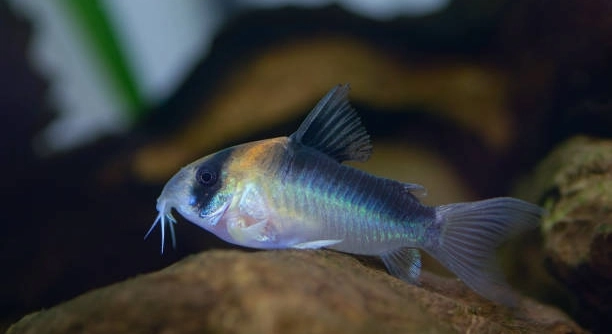
If you’ve noticed your Corydoras catfish hiding more after a water change, it’s not uncommon. There are a few reasons why your fish may react this way. Understanding these reasons can help you improve their environment and well-being.
Corydoras catfish are sensitive to changes in water conditions. Water changes can disrupt their comfort zone, causing them to hide. Factors such as temperature fluctuations, water chemistry, or changes in the tank’s overall environment can lead to this behavior.
Identifying these factors will help you prevent future issues and create a more stable environment for your catfish.
Water Temperature Shifts
Corydoras catfish are particularly sensitive to changes in water temperature. Even small fluctuations can cause stress. If your water change was too abrupt in temperature, your catfish may retreat to hidden areas for comfort. Corydoras prefer a stable, warm environment, typically between 72 and 78°F (22 to 26°C). A quick temperature drop or increase can make them feel unsafe.
The stress from sudden temperature changes may not always be obvious. While they are hiding, your fish might be waiting for things to settle down. Corydoras are not always quick to adjust and prefer the comfort of stable conditions. It’s important to check your water temperature before and after a water change to avoid disturbing your fish.
To prevent this from happening in the future, consider using a thermometer to monitor water temperature. Adding warm or cold water gradually instead of all at once can help keep your catfish calm. Keeping their environment consistent is key to their health.
Water Chemistry
Water chemistry plays a significant role in how Corydoras catfish behave after a water change. These fish prefer slightly acidic to neutral water with a pH between 6.0 and 7.5. If the pH shifts dramatically, they may retreat to hidden spots.
Changes in the hardness and mineral content of the water can also affect their comfort. Corydoras do best in soft to moderately hard water. An unexpected shift in these factors could make your catfish feel vulnerable, prompting them to hide. Always test your water parameters before performing a water change to avoid disturbing their habitat.
Ensuring that the water stays within the preferred range can reduce stress. Consider using a water conditioner to stabilize pH levels and make the environment more suitable. Consistency is vital for your Corydoras’ well-being, so monitor these factors regularly to keep them happy and active.
Water Flow Changes
A sudden change in water flow can startle your Corydoras catfish. These fish prefer a gentle current to feel secure. If the water flow increases due to a filter adjustment, your catfish may retreat into hiding to avoid the stronger current.
Corydoras are bottom-dwellers and usually seek areas with little to no current. They tend to avoid strong water movement, as it makes it harder for them to swim comfortably. A strong filter output or pump can disturb their behavior and cause stress, leading them to hide more after a water change.
It’s helpful to use a sponge filter or adjust the output of the pump during and after water changes. Ensuring a stable, gentle current allows your Corydoras to feel safe and encourages more natural behavior. Monitoring water flow is a small but important detail in keeping these fish content.
Sudden Light Changes
Drastic changes in lighting can also cause stress to Corydoras catfish. If the tank lighting is turned on or off suddenly during a water change, it can disturb their comfort level. These fish prefer dimly lit environments, where they can feel secure.
Corydoras are often shy and can be startled by bright lights. A sudden exposure to strong lighting can cause them to hide or become less active. To prevent this, it’s helpful to dim the lights or avoid turning them on abruptly when doing water changes.
Maintaining consistent light levels helps prevent unnecessary stress on your catfish. Try using a timer for your lights, so they turn on and off gradually. Keeping lighting levels consistent promotes a calm environment, ensuring your Corydoras feel safe and comfortable.
Tank Cleaning Stress
Cleaning the tank during a water change can be stressful for Corydoras. The sudden disruption of their environment may cause them to retreat into hiding. It’s important to ensure that the tank is cleaned gently to minimize stress on the fish.
Using a soft sponge and avoiding abrupt movements can help prevent startling the catfish. A calm and steady cleaning routine ensures that you do not disrupt their habitat too much. While cleaning, be careful not to disturb the substrate too aggressively, as Corydoras often burrow and may feel unsafe.
Tank Mates’ Behavior
Sometimes, the behavior of other tank mates can also contribute to Corydoras hiding. If other fish are more active or aggressive during a water change, the catfish might seek shelter. It’s essential to keep tank mates calm to prevent unnecessary stress.
Aggressive or overly active fish can cause Corydoras to hide more, especially if they feel threatened. Consider the temperament of all fish in the tank and how they react to changes. Keeping peaceful tank mates can help reduce stress, allowing your Corydoras to stay more active and visible.
Water Change Frequency
The frequency of water changes can also impact how often your Corydoras catfish hide. If water changes are too frequent or large, it can create an unstable environment. This may make the fish feel insecure, causing them to retreat more.
Corydoras prefer a consistent and stable environment. Large, frequent water changes can upset their comfort levels and result in more hiding. Aim for small, consistent water changes to maintain a stable environment. This will help your fish feel more secure and less stressed after each change.
FAQ
Why do my Corydoras catfish hide more after a water change?
Corydoras catfish hide more after a water change due to changes in their environment. This can include temperature shifts, changes in water chemistry, or increased water flow. Fish are creatures of habit and prefer stable conditions. A sudden water change can make them feel stressed, causing them to seek hiding spots for security.
How can I reduce stress on my Corydoras during a water change?
To reduce stress on your Corydoras, ensure the water temperature remains stable and matches the tank’s temperature. Gradually add water to avoid sudden changes. Use a sponge filter to minimize water flow, and try not to disturb the substrate too much during cleaning. Keep lighting low to avoid startling them.
Can Corydoras handle large water changes?
Corydoras can handle large water changes if done gradually and carefully. However, frequent large changes can cause stress, as the fish prefer a stable environment. It’s best to perform smaller water changes more frequently, around 10-20% weekly, rather than large changes, to help maintain a consistent environment.
Should I turn off the filter during a water change?
It’s a good idea to turn off the filter temporarily when performing a water change to avoid stirring up debris. However, remember to turn it back on after finishing, as filters help maintain water quality. If the filter is too strong, you can reduce the output to create a gentler current.
How often should I change the water in my tank?
A general recommendation is to change about 10-20% of the water every week. This maintains water quality and reduces the buildup of harmful chemicals, such as ammonia and nitrates. Regular, smaller water changes are less stressful for the fish than infrequent, large changes.
Can my Corydoras get sick from water changes?
Improper water changes can stress your Corydoras and make them more susceptible to diseases. If the temperature, pH, or hardness changes too quickly, it can weaken their immune system. Make sure to match the new water’s temperature and pH closely to the existing tank water to avoid stressing your fish.
How do I know if my Corydoras are stressed after a water change?
Stressed Corydoras may hide more than usual, stop eating, or exhibit unusual swimming patterns. They may also become more reclusive, staying hidden for long periods. If these signs persist after a water change, it’s important to check water quality and environmental conditions to address any issues.
Can I use a water conditioner during water changes for my Corydoras?
Yes, using a water conditioner during water changes is beneficial. It helps remove chlorine or chloramine from tap water, making it safe for your fish. Water conditioners also neutralize harmful chemicals, ensuring that the new water doesn’t harm your Corydoras during or after the change.
What is the ideal water temperature for Corydoras catfish?
Corydoras prefer a water temperature between 72°F and 78°F (22°C to 26°C). Keeping the water temperature within this range ensures the fish remain comfortable and active. Fluctuations in temperature can stress your catfish, leading to hiding or reduced activity.
How can I maintain stable water parameters for my Corydoras?
To maintain stable water parameters, test your water regularly for pH, ammonia, nitrites, and nitrates. Invest in a good-quality water testing kit to monitor the water’s health. Perform regular water changes, use a filter to help keep the water clean, and avoid adding too many new fish at once.
Are Corydoras more sensitive to water changes than other fish?
Yes, Corydoras are particularly sensitive to water changes. They are bottom-dwellers and enjoy stable, quiet conditions. Quick changes in water conditions, such as pH shifts or temperature fluctuations, can cause them stress and may make them hide more often. Handling them with care during water changes is essential.
Do Corydoras prefer low or high light levels?
Corydoras catfish prefer low light levels, as they are naturally shy and feel safer in dimly lit environments. Bright, harsh lights can make them feel exposed, leading them to hide more frequently. Keep the lighting soft or use a tank light on a timer for consistency.
How can I improve water flow for Corydoras?
To improve water flow for Corydoras, use a sponge filter or an adjustable filter that can be turned down to a gentle setting. Corydoras are not strong swimmers, so a light, steady current is ideal. Avoid powerful filter outputs that create strong water movement, as this will stress them.
How long should I wait after a water change to observe my Corydoras?
It’s a good idea to wait at least a few hours after a water change to observe your Corydoras. This gives them time to adjust to the new conditions. If they are still hiding, check for environmental changes such as water flow, temperature, or lighting.
Can I use a heater for my Corydoras tank?
Yes, using a heater is ideal for maintaining a stable temperature in your Corydoras tank. They thrive in warmer water, and a consistent temperature will help keep them healthy. Be sure to use a reliable aquarium heater and keep it set within the recommended range for Corydoras.
What should I do if my Corydoras continue to hide after a water change?
If your Corydoras continue hiding after a water change, check for any sudden changes in the environment, such as temperature, pH, or water flow. Ensure your tank is clean, and the water parameters are stable. If they remain hidden for an extended period, it may be worth consulting with an aquarium specialist to identify the issue.
Final Thoughts
Corydoras catfish are sensitive to changes in their environment, and water changes can be a stressful event for them. These fish are naturally shy and prefer a stable and calm environment. When you perform water changes, even small ones, it’s essential to consider how this might affect them. Factors like sudden changes in water temperature, water flow, or the disruption of their habitat can make them feel unsafe, causing them to hide more. Understanding the reasons behind this behavior can help you create a better environment for your Corydoras.
To minimize stress, try to perform water changes gradually. Match the temperature of the new water with the existing tank water to avoid shocking the fish. Be mindful of the water flow by using gentle filtration and avoiding sudden movements while cleaning the tank. Additionally, maintaining a routine can help your fish feel more secure over time, as they will come to expect changes at regular intervals. A calm and steady approach will allow your Corydoras to feel more comfortable and reduce hiding after a water change.
While occasional hiding is normal, especially after a water change, you should always keep an eye on your fish’s behavior. If they hide for extended periods or show signs of distress, it’s important to check water parameters like temperature, pH, and ammonia levels to ensure the tank is healthy. By making water changes a less stressful experience and creating a stable, calm environment, you can help your Corydoras thrive and remain active in your tank.

Hello,
If you enjoy the content that we create, please consider saying a "Thank You!" by leaving a tip.
Every little bit helps us continue crafting quality advice that supports the health, happiness, and well-being of pets around the world, for pets of all shapes, sizes, and species.
We really appreciate the kindness and support that you show us!