
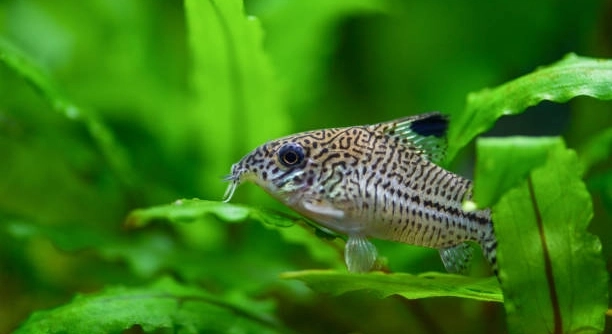
Are your Corydoras catfish acting a little shy or distant around their tankmates? Understanding their behavior can help you ensure they feel safe and comfortable in their environment every day.
Corydoras catfish show comfort through active swimming, relaxed posture, consistent feeding, and group interaction. If they remain hidden, stop eating, or show rapid breathing, these may indicate stress or discomfort caused by incompatible tankmates.
Knowing the signs of comfort can help you create a better home for your Corydoras. Let’s go over what behaviors mean your fish feel safe.
How Corydoras Behave When They Feel Safe
Corydoras catfish are peaceful, social creatures that thrive in groups and stable environments. When they feel comfortable, you’ll often see them swimming actively, especially along the bottom of the tank. They may occasionally dart to the surface for a gulp of air, which is normal behavior. Their bodies will remain relaxed, and their movement will appear smooth and purposeful. Comfortable Corydoras also eat regularly and explore their surroundings without hesitation. You may notice them resting close together or even piling on top of each other, which shows they feel secure. These fish prefer calm tankmates and well-maintained conditions to stay stress-free. Watching them interact and forage together is a good indication that they are at ease. When they feel safe, they display natural behaviors, including playful nudges and synchronized swimming. Their eyes remain clear and alert, and their coloring may become slightly more vibrant over time.
When tank conditions are ideal and their companions are peaceful, Corydoras display active and social behavior, which helps indicate overall well-being.
Providing soft substrate, gentle filtration, and hiding spots helps reduce stress. Tankmates should be similarly non-aggressive to allow Corydoras to move freely and rest without fear. Harsh lighting and loud environments can cause them to withdraw.
Signs Your Corydoras Is Uncomfortable
Signs of stress often include hiding for extended periods, loss of appetite, rapid breathing, or sudden darting around the tank. They may also isolate themselves from the group.
When Corydoras feel threatened or uncomfortable with their tankmates, they behave differently. Instead of swimming actively, they may stay hidden behind decor or near the tank’s bottom corners. If their gill movement appears rapid, it can indicate that something is wrong. Aggressive or fast-moving tankmates may overwhelm them, leaving them stressed. You might notice them avoiding certain areas of the tank entirely, especially if those spots are shared with more dominant fish. A lack of appetite or refusing to eat is another common sign. Additionally, if their usual calm behavior changes to erratic swimming or constant attempts to escape, it often points to discomfort. Even subtle shifts like faded color can reveal stress. These signs should not be ignored, as prolonged discomfort can weaken their immune system and affect their lifespan. Creating a calm, stable tank is essential.
What Makes a Good Tankmate for Corydoras
Peaceful, slow-moving fish make the best tankmates for Corydoras. These include species like tetras, rasboras, and small livebearers. Avoid aggressive or overly active fish, as they may stress or outcompete Corydoras during feeding.
Tankmates should share similar water preferences and temperaments. Corydoras prefer slightly acidic to neutral water and thrive in groups. Schooling fish that occupy the upper or middle parts of the tank can help create a balanced environment. Fish like harlequin rasboras, ember tetras, or guppies work well. Avoid fin-nippers or bottom dwellers that may compete for space. Barbs, larger cichlids, and aggressive bettas are not ideal. Shrimp and snails can also make good companions if the tank is well-maintained and has enough hiding spots. Compatibility is about more than just size—behavior matters. Fish that leave Corydoras alone and don’t disturb their foraging behavior allow them to stay relaxed and healthy.
Consider how fish interact during feeding time. Corydoras are bottom feeders and need access to food that sinks. If tankmates eat everything before it reaches the substrate, the Corydoras may go hungry. Choose fish that feed in different zones to avoid competition. Also, make sure the tank has enough space for all species to move comfortably. Adding too many fish can lead to stress, even among peaceful varieties. When tankmates are well-matched, your Corydoras will be more likely to thrive and show natural behaviors without fear or hesitation. Balance, space, and temperament all play a role in maintaining peace.
7 Signs Your Corydoras Is Comfortable
Your Corydoras catfish is likely comfortable if it swims freely, eats well, rests openly, and interacts with others. Smooth movement, clear eyes, and bright coloring are also good indicators of comfort in a stable tank.
One clear sign is active foraging along the tank floor. Comfortable Corydoras use their barbels to search the substrate for food, showing that they feel secure. Group swimming is another positive sign—they prefer to move together when at ease. If they rest in the open or near one another without hiding, it signals trust in their surroundings. Regular feeding and visible interest in food also mean they’re not stressed. You might also see occasional bursts of playful swimming. These fish may even explore higher levels of the tank when they feel safe. A calm environment with gentle water flow and soft lighting supports these behaviors. Watching for these signs helps ensure your Corydoras feel at home.
Behaviors That May Signal Discomfort
Corydoras that constantly hide or avoid certain areas are likely feeling unsafe. You may also notice them staying near the tank corners or under decorations for long periods, even during feeding times.
Rapid gill movement or erratic swimming can point to stress or poor compatibility with tankmates. These signs shouldn’t be ignored.
How Tank Conditions Affect Comfort
Water quality plays a major role in how Corydoras behave. Poor filtration, strong currents, or sudden changes in pH and temperature can cause stress. These fish prefer soft, slightly acidic water and stable parameters. Ammonia and nitrite should always remain at zero. Sudden spikes or irregular maintenance can lead to hiding, loss of appetite, or faded color. Substrate matters too—rough gravel can injure their barbels, making them less active. A soft sand substrate encourages natural foraging and keeps them healthier overall. Lighting should be gentle, and tank decor should offer shaded areas for rest. A peaceful tank with consistent care helps keep your Corydoras comfortable and social.
When to Separate Tankmates
If aggression continues or signs of stress persist, consider moving the problem fish to a different tank. Long-term stress can weaken Corydoras and lead to illness.
FAQ
How do I know if my Corydoras is stressed?
Stress in Corydoras can show through several behaviors. If your catfish stays hidden for long periods, swims erratically, or shows rapid gill movement, it’s likely stressed. A loss of appetite or refusal to eat is another red flag. If they become skittish, darting around the tank or swimming frantically, this could indicate they are uneasy. Additionally, any change in their color, such as fading, may signal discomfort. Stress can also be caused by water quality issues, such as poor filtration or high ammonia levels, so always keep the tank parameters stable.
Can Corydoras live with other bottom-dwelling fish?
Corydoras prefer to live with peaceful tankmates, especially those that don’t compete for the same bottom space. Bottom-dwelling fish, like certain types of loaches, may cause stress or aggression. However, small species such as snails or shrimp that don’t intrude on their territory can coexist well with Corydoras. Avoid larger, aggressive fish that might bully or chase them around. Corydoras are not territorial, but they do need enough space to forage and swim freely. When setting up a tank, always consider the behavior of each species and their specific needs.
What is the ideal water temperature for Corydoras?
Corydoras prefer water temperatures between 72°F and 78°F (22°C to 25°C). They are fairly adaptable but thrive in stable, moderate temperatures. If the water gets too cold, they may become sluggish, while excessively high temperatures can cause stress and reduce oxygen levels in the tank. It’s crucial to avoid sudden temperature fluctuations, as they can easily upset the fish’s natural behavior. Using a heater with a reliable thermometer is the best way to maintain a consistent environment for your Corydoras.
Why are my Corydoras swimming at the top of the tank?
Corydoras are bottom dwellers, but if you notice them swimming at the top of the tank, it may indicate poor water quality or low oxygen levels. Corydoras occasionally swim to the surface to gulp air, but if this behavior is frequent, check the oxygen levels and filtration system. Insufficient filtration or stagnant water can cause oxygen depletion, prompting Corydoras to search for air at the surface. Another possibility is that your Corydoras are feeling stressed or frightened due to tankmate issues. Ensure the tank is well-oxygenated and that the fish are not overly stressed.
Do Corydoras need a filter in their tank?
Yes, Corydoras need a filter to keep the water clean and oxygenated. While they are bottom feeders and don’t generate as much waste as some other fish, maintaining water quality is still important for their health. A filter helps keep harmful substances like ammonia and nitrites at safe levels. It also promotes water movement, which ensures oxygen is dispersed throughout the tank. However, Corydoras do not do well with strong water currents, so choose a filter that provides gentle water flow. A sponge filter is a great option as it ensures aeration without creating a strong current.
Can Corydoras live in a tank with a strong current?
Corydoras are not suited for tanks with strong currents. These fish prefer calm, slow-moving waters where they can comfortably forage and swim. A strong current can cause them to become stressed, leading to erratic swimming, hiding, or loss of appetite. If you have a tank with a high flow rate, consider using a filter with adjustable flow or installing a sponge filter to reduce the current. Make sure to provide plenty of hiding spots and plants to help them feel secure.
How often should I feed my Corydoras?
Corydoras should be fed once or twice a day, depending on their size and the number of fish in the tank. These catfish are bottom feeders, so they prefer sinking food like pellets, wafers, or specially designed food for catfish. Feed them in small amounts that they can consume within a few minutes to prevent uneaten food from polluting the water. Be sure to remove any leftover food after feeding to maintain water quality. Overfeeding can lead to poor water conditions and health issues for your fish.
Are Corydoras social fish?
Yes, Corydoras are social creatures that prefer to live in groups. They feel most comfortable and secure when surrounded by other Corydoras. A group of at least three to five is ideal, as it encourages natural social behaviors and helps reduce stress. Without tankmates of their own kind, Corydoras may become more shy and inactive. They will interact with each other through playful swimming, nudging, and resting together in piles. Having a group of Corydoras can also help encourage them to forage, as they are more likely to feel safe when in a group.
Can Corydoras live with bettas?
Bettas and Corydoras are not always compatible tankmates. Bettas are known for their aggressive nature, especially towards other fish with long fins or bright colors. While Corydoras are peaceful, they may be intimidated by a betta’s behavior. In a peaceful tank setup with plenty of hiding spaces, it might be possible for them to coexist. However, if the betta becomes territorial or aggressive, it’s best to separate them to ensure the safety of both fish. Always monitor interactions closely and be ready to move fish if stress or aggression occurs.
How do I keep Corydoras healthy in my tank?
To keep Corydoras healthy, maintain stable water conditions with proper filtration and regular water changes. Ensure the tank has a soft, fine substrate like sand, as rough gravel can damage their barbels. Provide plenty of hiding spots, plants, and decorations to mimic their natural environment. Avoid aggressive or overly active tankmates and ensure the water temperature and pH levels remain consistent. Feeding them a varied diet, including sinking pellets, frozen food, and occasional live food, will keep them well-nourished. Regularly monitor your fish for signs of stress, and address any issues promptly to maintain a healthy tank.
Final Thoughts
Corydoras catfish are peaceful and social fish that can thrive in a well-maintained tank. Their behavior often gives clear signs of whether they are comfortable with their tankmates or stressed. Keeping an eye on their actions, such as hiding or erratic swimming, can help you spot any issues early. If you notice these signs, it’s important to assess the tank’s water quality and the compatibility of other fish. Corydoras need a stable environment to feel safe, and the right tank setup can make a huge difference in their health and happiness.
Choosing appropriate tankmates is key to ensuring the comfort of your Corydoras. Avoid aggressive fish that might bully or outcompete them for food. Corydoras do well in peaceful community tanks with other non-aggressive species. Always keep in mind that Corydoras are bottom-dwellers, so they need space to forage and swim freely. Providing hiding spots and soft substrate will help mimic their natural environment and reduce stress. It’s also essential to maintain good water quality, as poor conditions can lead to health issues for your Corydoras.
Understanding the needs and behavior of your Corydoras is essential to creating a healthy, stress-free environment. These catfish are social creatures that thrive in groups and require consistent water quality to feel secure. By observing their actions and making the necessary adjustments, you can ensure that your Corydoras live a long and healthy life in your tank. Proper care, regular maintenance, and careful attention to tankmates will help your Corydoras thrive and provide you with years of enjoyment.

Hello,
If you enjoy the content that we create, please consider saying a "Thank You!" by leaving a tip.
Every little bit helps us continue crafting quality advice that supports the health, happiness, and well-being of pets around the world, for pets of all shapes, sizes, and species.
We really appreciate the kindness and support that you show us!