
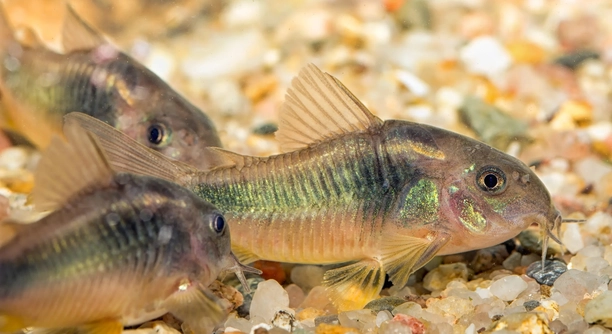
Corydoras catfish are known for their peaceful nature and playful behavior, but sometimes, you might notice them swimming upside down. This unusual behavior can be worrying, especially if you’re unsure about the cause.
The main reason your Corydoras catfish is swimming upside down is due to an imbalance in its buoyancy or an underlying health issue. This could be caused by swim bladder problems, poor water quality, or physical injury.
There are simple steps to help identify and fix the problem. Understanding these causes will assist you in restoring your fish’s health and ensuring a happier, more stable aquarium environment.
Common Causes for Corydoras Catfish Swimming Upside Down
When your Corydoras catfish starts swimming upside down, it can be a sign of distress. One common cause is an issue with the swim bladder, the organ responsible for regulating buoyancy. If it becomes inflamed or damaged, the fish may struggle to maintain balance and swim normally. Another potential issue is poor water quality. Ammonia spikes, incorrect pH levels, or dirty water can stress your catfish and lead to abnormal swimming patterns. Physical injuries, such as bumps or trauma, can also cause difficulties in movement. In some cases, the problem might even be related to parasites or infections affecting the fish’s internal system. If left unaddressed, these problems can worsen and lead to more severe health concerns.
Properly addressing the root cause is essential for restoring your fish’s health and ensuring its well-being. Monitoring water parameters and watching for other signs of illness can help you determine what needs to be done.
Fixing the issue depends on pinpointing what is wrong. If the problem is a swim bladder issue, it’s often best to reduce stress by adjusting the water conditions. Lowering water temperatures slightly or changing the water frequently may help. In cases of injury, the fish should be quarantined in a separate tank to recover, with minimal disturbances. Adding aquarium salt can help with healing, especially if your fish is suffering from infection. For parasites or infections, medication specific to the issue can clear things up.
How Poor Water Quality Affects Your Corydoras Catfish
Water quality plays a significant role in the health of your Corydoras catfish. Low oxygen levels, high ammonia, or fluctuating temperatures can all contribute to stress, making it difficult for your fish to maintain proper buoyancy. The water should be clean, well-filtered, and maintained at a stable temperature. Testing your water frequently ensures you catch potential problems before they cause harm.
Poor water quality can directly impact your Corydoras’ swim bladder function. If your fish’s environment is contaminated or out of balance, they may struggle to stay upright, as the toxins in the water can harm their internal systems. Ammonia or nitrite spikes are especially harmful and can lead to severe health issues if not addressed quickly. Regular water changes, along with a reliable filtration system, help prevent these problems. If the water parameters remain unstable, your fish may face difficulty in swimming, eating, and overall survival.
In addition to regular water changes, it’s crucial to monitor the pH and hardness levels. Corydoras catfish are particularly sensitive to changes in their environment. Maintaining a consistent routine for tank upkeep, such as keeping the temperature between 72–78°F, will support their natural behavior. When water quality is maintained, you reduce the risk of your catfish becoming stressed or sick, which in turn helps prevent upside-down swimming.
Swim Bladder Disorder and How to Fix It
Swim bladder disorder is a common cause of upside-down swimming. It happens when the swim bladder becomes damaged, inflamed, or infected, affecting buoyancy. In most cases, it results in difficulty swimming or keeping the fish upright.
Swim bladder problems can occur due to overfeeding, where food gets trapped in the digestive system, or from bacterial infections. If your catfish is struggling with swim bladder disorder, it’s crucial to stop feeding them for a day or two to allow the digestive system to reset. Make sure to offer small, easily digestible food after fasting to prevent further complications. If you suspect an infection, you may need to treat your fish with medication specifically aimed at swim bladder issues.
In addition to fasting, adjusting the water quality can help. Lowering the water temperature slightly can ease the symptoms of swim bladder disorder. Also, increasing oxygen levels in the tank by adding an air stone or ensuring proper filtration can reduce stress on your catfish, helping it recover more quickly.
Identifying and Treating Injuries
Injuries, whether from tank mates or rough decorations, can lead to abnormal swimming behavior in Corydoras catfish. Sometimes, these injuries affect the swim bladder, making it difficult for the fish to stay upright.
If your Corydoras is injured, it’s essential to isolate it in a separate tank or quarantine tank for proper healing. Avoid any sharp objects in the tank, as these can cause further harm. You should also check the other fish in the tank to ensure that no aggression or bullying is taking place. Once the fish is isolated, you can treat minor injuries with aquarium salt or other healing medications. Keeping the water clean and stress-free is critical for a quicker recovery.
Additionally, ensure that your aquarium has proper hiding spots for your fish. This allows them to rest comfortably while recovering and reduces the risk of further injury. If the injury is severe or doesn’t improve, consult a vet or experienced aquarist for advice on the next steps.
Poor Diet and Its Effect on Buoyancy
A poor diet can lead to issues with buoyancy in your Corydoras catfish. Overfeeding or providing low-quality food can disrupt their digestive system, leading to problems with the swim bladder.
Ensure you feed your catfish a balanced diet with high-quality pellets, flakes, or live food. Avoid overfeeding, as this can cause digestive problems, leading to upside-down swimming. Offering small portions of food once or twice a day is ideal. Healthy, well-balanced meals support their overall health and help prevent swim bladder issues.
Stress and its Role in Swimming Issues
Stress is another factor that can cause your Corydoras catfish to swim upside down. Stress can result from poor water quality, overcrowding, or aggressive tank mates.
When your fish is stressed, it may experience difficulty with buoyancy, often swimming upside down. Reducing stress by improving water conditions, increasing hiding spots, and monitoring tank mates can help alleviate this issue. Stress-free fish are less likely to develop problems with their swim bladder and are more likely to stay healthy.
Infections and Parasites Impacting Your Fish
Infections or parasites can cause abnormal swimming behavior in your Corydoras catfish. These conditions might damage internal organs, including the swim bladder.
When a Corydoras is infected, it can experience symptoms like upside-down swimming, loss of appetite, or abnormal swimming patterns. If you suspect your fish has an infection or parasite, isolation is necessary to prevent the spread to other tank mates. Depending on the type of infection, you might need to use specific medications such as antibiotics or antiparasitics. A warm quarantine tank can help the fish recover faster.
FAQ
What are the main reasons for Corydoras catfish swimming upside down?
There are several reasons why a Corydoras catfish might swim upside down. The most common causes are swim bladder disorder, poor water quality, stress, injuries, and infections. Swim bladder issues can affect buoyancy, causing the fish to struggle to maintain its position in the water. Poor water conditions, such as high ammonia levels or incorrect pH, can stress the fish and interfere with its natural swimming ability. Additionally, physical injuries or infections can lead to abnormal swimming behavior.
How can I fix a Corydoras catfish with swim bladder problems?
To address swim bladder issues, start by fasting the fish for a day or two to allow its digestive system to reset. Overfeeding can contribute to swim bladder disorder, so reducing food intake is essential. You can also add aquarium salt to help the fish recover from minor infections. If you suspect a bacterial infection, medication designed for swim bladder problems may be necessary. Additionally, ensure the water temperature is stable, as a sudden change in temperature can further stress the fish. If the symptoms persist, consider consulting a veterinarian for a more accurate diagnosis.
What should I do if my Corydoras catfish is stressed?
Stress is a common cause of abnormal swimming behavior in Corydoras catfish. To reduce stress, first make sure the water quality is optimal by performing regular water changes and testing for ammonia, nitrites, and pH levels. Also, make sure your tank is not overcrowded and provide plenty of hiding spots for the fish to retreat to when they feel threatened. Avoid aggressive tank mates, as they can contribute to stress. Ensuring a calm, stable environment is key to reducing stress and allowing your Corydoras to thrive.
Can poor water quality cause my Corydoras catfish to swim upside down?
Yes, poor water quality can cause Corydoras catfish to swim upside down. Ammonia and nitrite spikes, improper pH levels, and low oxygen levels can all stress the fish, making it difficult for them to swim properly. Regular water changes and proper filtration are essential to maintaining a healthy environment. If you notice your catfish swimming upside down, test the water and address any imbalances before taking further action.
Should I isolate my Corydoras catfish if it’s swimming upside down?
If your Corydoras is swimming upside down due to an injury, infection, or suspected swim bladder disorder, isolating it in a separate quarantine tank can help. This allows the fish to recover without the added stress of other tank mates and ensures that any medication or treatments you apply don’t affect the rest of the aquarium. If the problem is water quality or stress-related, isolating the fish might not be necessary, but addressing the cause promptly is important.
How can I prevent my Corydoras catfish from getting swim bladder disorder?
Preventing swim bladder disorder involves maintaining a healthy diet and environment. Avoid overfeeding, as this can lead to digestive issues that impact buoyancy. Offer small portions of food and ensure your catfish eats all of it. Keeping the water clean, stable, and properly filtered is also crucial. Regular water tests and maintenance can prevent harmful conditions like ammonia spikes. If you keep your fish stress-free and provide a balanced diet, the chances of swim bladder disorder will decrease.
Can infections or parasites cause Corydoras to swim upside down?
Yes, infections or parasites can cause Corydoras catfish to swim upside down. Infections, such as those caused by bacteria or fungi, can affect the swim bladder or other internal organs, leading to buoyancy issues. Parasites, including internal worms, can also disrupt the fish’s swimming abilities. If you suspect an infection or parasites, isolate the affected fish, and treat it with appropriate medication. Early detection and treatment are important to prevent the spread to other fish.
How can I tell if my Corydoras catfish is injured?
Injuries to Corydoras catfish might not always be visible, but there are a few signs to watch for. If the fish is swimming upside down or struggling to swim normally, it might have internal injuries, especially to the swim bladder. Physical injuries can also cause visible signs such as torn fins, bruises, or wounds. If you notice these signs, move the injured fish to a quarantine tank and treat it with medication to prevent infection. Monitor the fish closely to ensure it recovers.
How often should I feed my Corydoras catfish?
Corydoras catfish should be fed small amounts of food once or twice a day. Overfeeding can lead to digestive issues and contribute to swim bladder problems. Be sure to remove any uneaten food to avoid water quality issues. A varied diet, including high-quality pellets, flakes, or live food, is recommended to provide all necessary nutrients.
Is it normal for Corydoras catfish to swim upside down?
No, it is not normal for Corydoras catfish to swim upside down. While they may occasionally swim in unusual positions, consistently swimming upside down can indicate a health problem, such as a swim bladder disorder, poor water quality, injury, or infection. It is important to address the issue promptly to avoid further complications and ensure the well-being of your fish.
Final Thoughts
When your Corydoras catfish starts swimming upside down, it’s important to pay attention and identify the cause of this behavior. While it may seem alarming, there are several common reasons behind it, such as swim bladder issues, poor water quality, stress, injuries, or infections. In most cases, the problem can be fixed with some simple adjustments to the tank conditions or the fish’s care routine. For example, maintaining good water quality, controlling feeding habits, and keeping the tank environment stress-free can help reduce the risk of upside-down swimming.
Understanding the cause of the issue is key to providing the right solution. If the problem is related to swim bladder disorder, you may need to adjust the fish’s diet, change water conditions, or even isolate the fish for treatment. In cases of injuries, a separate quarantine tank can provide a safe space for healing. If poor water quality or stress is the culprit, addressing these factors will often solve the problem. Infections or parasites may require medication, so early detection is vital. Each situation is different, so it’s important to carefully observe your catfish and respond accordingly.
By monitoring your Corydoras’ health and creating a stable, stress-free environment, you can help prevent issues like upside-down swimming from happening in the future. Regular tank maintenance, proper feeding habits, and keeping an eye out for any signs of illness will go a long way in ensuring your fish remains healthy and happy. Corydoras are resilient and hardy fish, and with the right care, they can continue to thrive in your aquarium for many years.

Hello,
If you enjoy the content that we create, please consider saying a "Thank You!" by leaving a tip.
Every little bit helps us continue crafting quality advice that supports the health, happiness, and well-being of pets around the world, for pets of all shapes, sizes, and species.
We really appreciate the kindness and support that you show us!