
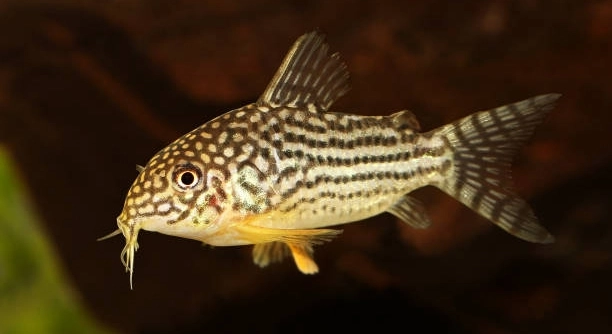
Corydoras catfish are popular aquarium pets, known for their peaceful nature and interesting behavior. However, like all fish, they are prone to various illnesses that can affect their health and well-being.
To prevent Corydoras catfish from getting sick, maintaining good water quality, providing proper nutrition, and minimizing stress are essential. Regular water changes, a balanced diet, and a safe environment contribute to their overall health and longevity.
Proper care and attention to their environment will help keep your Corydoras catfish happy and healthy for years. Let’s explore practical ways to ensure they stay in the best condition possible.
1. Maintain Clean Water Conditions
One of the most important factors in keeping Corydoras catfish healthy is ensuring their water stays clean. These fish are bottom dwellers, often sifting through the substrate for food, which can lead to debris buildup. Polluted water can cause stress and even sickness. Testing your aquarium’s water regularly for ammonia, nitrite, and nitrate levels is crucial. A sudden spike in these chemicals can be harmful, so having a reliable water filtration system is key. You should also perform regular water changes to keep levels stable and reduce the buildup of harmful substances.
Clean water is not just about removing visible dirt. It’s about maintaining a healthy balance of beneficial bacteria and avoiding harmful pollutants. If you haven’t tested your water in a while, now is the time to do it. If you do not have a filtration system, consider adding one that suits the size of your tank and the needs of your Corydoras. Regular water checks can prevent sickness before it starts.
Keeping the tank free of waste is equally important. Food remnants and fish waste can decay, leading to dangerous spikes in toxins. Clean your tank thoroughly, especially the substrate where debris can gather. Regular water changes and tank maintenance will ensure your Corydoras have a healthy environment to thrive in.
2. Provide a Balanced Diet
A healthy diet is essential for preventing illness in Corydoras catfish. In the wild, they are omnivores, eating a combination of small invertebrates, plant matter, and algae. In your aquarium, they’ll need a balanced diet that provides the necessary nutrients. It’s best to feed them a variety of foods, such as high-quality pellets, frozen or live foods, and occasional vegetables like zucchini or spinach. Overfeeding can lead to water pollution, so it’s important to give them just enough to consume in a few minutes.
Feeding a mix of dry and wet foods helps ensure they get all the necessary vitamins and minerals. It also keeps them engaged, as they enjoy foraging for food. If you notice that your Corydoras are getting overly thin or lethargic, it could be a sign of an imbalance in their diet.
Monitor your fish after each meal to ensure they are eating. If food remains in the tank, reduce the amount next time. Providing variety and consistency in their diet will promote their overall health and immune system, helping to prevent sickness in the long run.
3. Minimize Stressful Situations
Stress is one of the leading causes of illness in Corydoras catfish. When they feel threatened or unsafe, their immune system weakens, making them more vulnerable to diseases. To minimize stress, ensure they have a calm, stable environment. Avoid sudden changes in water temperature, pH, or tank setup. Corydoras are peaceful fish, so avoid keeping them with aggressive tank mates. They also prefer to be in schools, so it’s a good idea to have at least three to five Corydoras in the tank.
A peaceful environment helps them feel secure and comfortable. Bright, constant lighting or loud noises can also add stress, so try to keep the aquarium in a quiet, low-traffic area. Having hiding spots, such as plants or decorations, will give them a place to retreat when they feel insecure.
It’s important to introduce new tank mates carefully and monitor interactions closely. Avoid overcrowding, as this leads to competition for resources and increased aggression. Keeping their environment as stable and calm as possible is crucial to maintaining their health.
4. Monitor Tank Temperature
Corydoras catfish are sensitive to temperature changes. They thrive in water between 72-78°F (22-26°C). Temperatures outside this range can stress them, weakening their immune system. Use a reliable aquarium heater and thermometer to maintain a stable temperature.
Ensure that your tank’s temperature remains within the recommended range at all times. Sudden drops or spikes can cause illness, so avoid placing your tank in areas prone to fluctuating temperatures, such as near windows or heating vents. If you live in an area with extreme temperatures, investing in a quality heater will provide consistency.
It’s also important to check the water temperature regularly. Using a thermometer that gives constant readings will help you spot any potential issues before they affect your fish. Maintaining the right water temperature will help your Corydoras stay comfortable, reducing the chance of stress and sickness.
5. Avoid Overcrowding
Overcrowding can lead to several problems, including poor water quality and increased stress. Corydoras need space to swim, forage, and feel secure. Having too many fish in a small tank increases the risk of illness.
Ensure your aquarium is appropriately sized for the number of fish you have. A general guideline is to have one inch of fish per gallon of water. Overcrowding can cause waste buildup, leading to harmful toxins that affect your Corydoras. It’s also important to provide adequate hiding spaces so that your fish can retreat if they feel threatened.
By controlling the fish population in your tank, you’ll help maintain water quality and reduce stress. Corydoras, being peaceful, need space to interact with each other and feel secure in their environment. Keeping them in a well-sized tank will promote their health.
6. Regularly Check for Signs of Illness
Early detection of health issues in Corydoras catfish is crucial. Watch for changes in behavior, such as reduced activity or loss of appetite. Physical signs like cloudy eyes or abnormal swimming patterns can also indicate a problem.
If you notice any of these symptoms, it’s important to act quickly. Isolate any sick fish to prevent the spread of disease. Quarantine tanks are helpful in managing new arrivals and sick fish. Regular observation will allow you to spot problems early, making treatment more effective.
Keeping a close eye on your fish helps you address health issues before they escalate.
7. Ensure Proper Tank Maintenance
A well-maintained tank prevents the buildup of harmful toxins and keeps your Corydoras healthy. Perform regular water changes and clean the substrate to remove waste and uneaten food. This ensures your fish live in a clean environment.
Regular maintenance involves more than just water changes. You should also check your filtration system, ensuring it’s running efficiently and replacing filters when necessary. Keeping your tank free of debris and maintaining stable water parameters will significantly reduce the chances of illness. If you follow a strict cleaning schedule, your Corydoras will be happier and healthier.
FAQ
How often should I change the water in my Corydoras tank?
Changing the water regularly is essential for maintaining a healthy environment. A good rule of thumb is to change 25-30% of the water every two weeks. If you have a heavily stocked tank or a lot of waste, you may need to do it more frequently. Regular water changes keep toxins in check and promote the overall health of your Corydoras.
Can Corydoras live with other fish?
Yes, Corydoras are peaceful bottom-dwellers that can live with most other fish. However, it’s essential to choose tank mates that won’t bully or outcompete them for food. Avoid aggressive species, and opt for peaceful fish that occupy different water levels, allowing the Corydoras to thrive.
What do Corydoras eat?
Corydoras are omnivores and need a varied diet. In the wild, they feed on small invertebrates, plant matter, and detritus. In an aquarium, provide high-quality pellets, live or frozen foods like brine shrimp or bloodworms, and occasional vegetables such as zucchini or spinach. A balanced diet ensures they stay healthy and active.
Why do my Corydoras stay at the bottom of the tank?
Corydoras are natural bottom-dwellers, so it’s entirely normal for them to spend most of their time near the substrate. They use their barbels to search for food and keep the tank clean. If they stay at the bottom but seem healthy, there’s usually no cause for concern. However, if they stop eating or show signs of illness, it may indicate a health issue.
How do I prevent my Corydoras from becoming stressed?
To prevent stress, create a calm and stable environment for your Corydoras. Avoid sudden changes in water parameters, and ensure the tank is not overcrowded. Corydoras are also social fish and prefer to be kept in groups, so having at least three to five in a tank will help them feel secure. Providing hiding spots and avoiding aggressive tank mates also reduces stress.
What is the ideal temperature for Corydoras?
Corydoras prefer temperatures between 72-78°F (22-26°C). Consistent temperatures within this range help keep your fish healthy. Temperatures outside of this range, especially sudden fluctuations, can stress your Corydoras and increase the risk of illness. Use a reliable heater to maintain a stable environment for them.
How can I tell if my Corydoras are sick?
Common signs of illness in Corydoras include lethargy, loss of appetite, cloudy eyes, abnormal swimming behavior, and unusual fin positions. If you notice these symptoms, it’s important to act quickly. Remove sick fish from the main tank to prevent the spread of illness and treat them in a quarantine tank.
Do Corydoras need a filter?
Yes, Corydoras benefit from a filter. A good filtration system helps maintain water quality by removing excess waste and debris, which is especially important since Corydoras are bottom feeders. Choose a filter with gentle water flow, as Corydoras don’t thrive in strong currents. Regular maintenance of the filter is also necessary to keep it running efficiently.
Can Corydoras live in cold water?
Corydoras are not cold-water fish. They require a stable temperature between 72-78°F (22-26°C). Exposing them to temperatures below this range can stress them and make them more vulnerable to diseases. A heater is necessary if you live in an area with colder temperatures to maintain their ideal environment.
Do Corydoras need a tank with a lid?
While Corydoras are not known for jumping, it’s still a good idea to have a lid on your tank. They might occasionally leap if startled, and a lid will prevent this. Additionally, having a lid helps maintain the tank’s humidity and reduces evaporation, which can keep the water parameters more stable.
What type of substrate is best for Corydoras?
Corydoras prefer a soft substrate like sand or fine gravel. Their barbels are sensitive, so sharp or rough gravel can cause injury. A fine substrate allows them to sift through the bottom without harm, and it also helps them forage for food more effectively. It’s best to avoid larger, jagged gravel that could damage their barbels.
How can I help my Corydoras feel more secure in the tank?
To help your Corydoras feel secure, provide plenty of hiding places, such as caves, plants, and decorations. Corydoras are social and do better when kept in groups, so having three or more in a tank will reduce stress. Make sure the tank is not overcrowded and that other fish are peaceful to create a more secure environment.
Why is my Corydoras not eating?
A Corydoras may stop eating for several reasons, including stress, water quality issues, or illness. First, check the water parameters and ensure they are within the ideal range. If the water is clean and stable, try offering a variety of foods. If the issue persists, you may need to isolate the fish and check for any symptoms of illness.
How long do Corydoras live?
Corydoras catfish typically live between 5 to 10 years with proper care. Their lifespan can be affected by water quality, diet, and overall environment. Maintaining stable water conditions, providing a balanced diet, and minimizing stress will help ensure your Corydoras live a long and healthy life.
Final Thoughts
Corydoras catfish are relatively easy to care for, but they still require attention to thrive in an aquarium. By maintaining clean water, providing a balanced diet, and ensuring a stress-free environment, you can help them stay healthy for many years. Regular water changes, checking for signs of illness, and avoiding overcrowding are essential practices for keeping your Corydoras happy. These fish thrive best when their living conditions are stable, and they are cared for properly.
A well-maintained aquarium is key to preventing common health problems. Corydoras are sensitive to water conditions, so keeping the water clean and free of harmful toxins is crucial. A reliable filtration system, along with consistent water changes, can make a big difference. It’s also important to watch out for any signs of illness, such as changes in behavior or physical appearance, and address them quickly. Early intervention can prevent more serious health issues.
Finally, the social nature of Corydoras cannot be overlooked. These fish feel more secure in groups, so keeping at least three or more in a tank is recommended. A peaceful environment, with appropriate tank mates and enough hiding spaces, helps minimize stress. By understanding their needs and providing the right care, your Corydoras will live a long, healthy life, adding beauty and interest to your aquarium.

Hello,
If you enjoy the content that we create, please consider saying a "Thank You!" by leaving a tip.
Every little bit helps us continue crafting quality advice that supports the health, happiness, and well-being of pets around the world, for pets of all shapes, sizes, and species.
We really appreciate the kindness and support that you show us!