
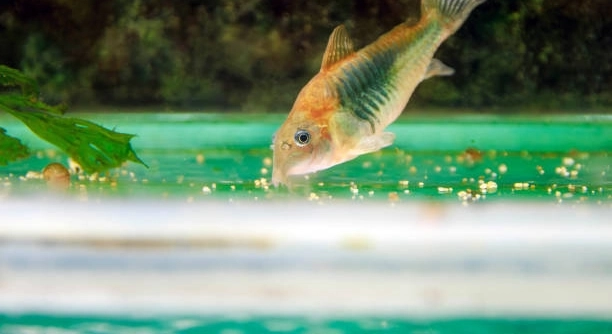
Do you ever find yourself hoping your corydoras catfish will start breeding, but nothing seems to happen no matter what you try?
The best way to encourage corydoras catfish to breed is by mimicking their natural environment, especially their rainy season conditions. This includes cooler water changes, high-quality food, and keeping them in small groups with both males and females.
Learning how to support breeding behavior can make your aquarium more lively and rewarding in the long run.
Keep the Water Clean and Cool
Corydoras are sensitive to water quality, and clean water plays a big role in helping them feel comfortable enough to breed. Regular water changes, especially with slightly cooler water, can simulate the rainy season in the wild—this is when they typically start to spawn. Aim to replace 20–30% of the tank water two to three times a week using dechlorinated, cooler water. Try to drop the temperature by just a couple of degrees during each change. This slight shift signals to the fish that it’s time to breed. Maintain stable water parameters, keep ammonia and nitrites at zero, and avoid sudden changes in pH. Use a good filter, but make sure the flow isn’t too strong. Also, avoid overfeeding, as leftover food can quickly affect water quality and stress the fish. A clean tank doesn’t just help with breeding—it also supports their long-term health.
Cooler, clean water triggers natural breeding behavior and helps reduce stress, making your fish more active and responsive.
If your fish haven’t been showing much interest in breeding, try changing the water more often and adjusting the temperature slightly. The shift doesn’t need to be dramatic. Just enough to let them know it’s time to start pairing off.
Feed High-Quality Live Foods
Live foods give corydoras the extra nutrition and energy they need to prepare for breeding. It’s a small change that can make a big difference.
Feeding corydoras live foods like bloodworms, daphnia, and blackworms can help condition them for spawning. These foods mimic what they would eat in the wild and provide more protein than dry flakes or pellets. Give them small amounts once or twice a day, but don’t overdo it. If you notice uneaten food, scale back a bit to avoid dirtying the tank. Mixing in frozen versions of these foods can work too, especially if live ones aren’t available. After a few days of eating this higher-quality diet, your corydoras may begin showing more social and active behavior, especially the males chasing the females. This is a sign that they’re getting ready to spawn. Balanced feeding helps both sexes build the strength needed for successful breeding without causing stress or health issues.
Add More Corydoras to the Group
Corydoras are schooling fish and feel safer and more comfortable in groups. Keeping at least six helps reduce stress and encourages natural behavior.
In a small group, corydoras might stay hidden or inactive. But when kept in larger numbers, they become more social and active. This increase in movement often triggers interest between males and females, especially if both sexes are present. Aim for a good mix—two males for every female tends to work well. Avoid keeping just one pair, as they may not show much breeding activity without the support of a group. Watching them interact also helps you notice subtle behaviors like chasing or nudging, which are signs that they’re getting ready to spawn. A bigger group gives them confidence, and confidence plays a big part in triggering their natural breeding instincts.
Larger groups also spread out aggression and reduce the chance of one fish being singled out or stressed. It’s better for the whole tank.
Provide Plenty of Hiding Spots
Hiding spots help corydoras feel secure, which reduces stress and allows them to focus on natural behaviors like foraging and mating.
Use soft plants, smooth rocks, and driftwood to create shaded areas and small shelters across the tank. Corydoras will often rest or explore under these features, especially when they feel overwhelmed or threatened. When they feel safe, they are more likely to interact and begin pairing. You can also add leaf litter or spawning mops to give females comfortable places to lay their eggs. Avoid sharp decorations, as these fish are bottom dwellers and can easily injure their whiskers. Try not to rearrange the tank too often, since stability is important. When they have hiding spots and a quiet, familiar layout, corydoras show more relaxed and confident behavior. This creates the right atmosphere for breeding and helps lower stress during the process.
Mimic the Rainy Season
A sudden drop in water temperature can signal the start of breeding season. Try lowering the tank’s temperature by 2–3°F using cooler water during partial changes to recreate the feeling of rainfall.
Also, increase the frequency of water changes to two or three times a week. This shift can help stimulate breeding.
Separate After Spawning
Once the female lays her eggs, it’s best to move the adults to a different tank. Corydoras don’t guard their eggs and may accidentally eat them. Use a separate tank or breeding box with similar water conditions to raise the eggs safely. Keep the water clean and add an air stone to maintain gentle flow and oxygen levels. Watch for fungus on the eggs, which can spread quickly. You can use a mild anti-fungal solution or remove infected eggs with tweezers. After a few days, the eggs should hatch, and the fry can start feeding on infusoria or powdered fry food.
Use a Bare Bottom Tank
A bare bottom tank makes it easier to spot and protect eggs. It also helps with cleaning and prevents debris from building up.
FAQ
How long does it take for corydoras to breed?
Corydoras typically breed within a few days to a week after water conditions are adjusted to their liking, especially after a cooler water change mimicking the rainy season. The actual spawning can take anywhere from a few hours to a couple of days, depending on how comfortable the fish are. After that, it takes about 4–6 days for the eggs to hatch, and another couple of weeks for the fry to become free-swimming. Be patient, as each pair may take time to adjust to their new environment before breeding.
What should I feed my corydoras during breeding?
High-quality live foods such as bloodworms, daphnia, and brine shrimp should be the focus. These are packed with proteins that boost breeding readiness. Feed them these live options alongside high-quality pellets or flakes for a balanced diet. You should also ensure they have access to clean, fresh food daily. Be mindful not to overfeed, as this could cause water quality issues. The more varied the diet, the healthier and more active your corydoras will be, which may help them breed successfully.
Can I breed corydoras in a community tank?
Yes, you can breed corydoras in a community tank, but it’s not always ideal. The presence of other fish can sometimes stress the corydoras or lead to egg predation. If you notice that the eggs are being eaten, or the breeding activity is less frequent, consider moving the corydoras to a more controlled environment. Otherwise, if the other fish are peaceful and non-aggressive, you can keep them in the same tank while maintaining optimal conditions. Adding plenty of hiding spaces for the corydoras to retreat to is also helpful.
Why are my corydoras not breeding?
If your corydoras aren’t breeding, it could be due to several factors. First, check the water temperature. Corydoras breed when they feel the rainy season’s cooler waters, so try lowering the temperature slightly. Second, ensure you have both males and females in your group—having just one pair or an imbalanced ratio may hinder breeding. Stress from poor water quality, inadequate diet, or lack of hiding spots can also prevent breeding. Finally, it could take time for the fish to feel comfortable enough in their environment, so be patient.
Should I remove the eggs from the tank?
It’s often a good idea to remove the eggs from the main tank to protect them from being eaten. Corydoras do not care for their eggs, and other tank mates may find them as food. If you want to ensure the best chance of survival for the eggs, you can gently move them to a separate breeding tank or a breeding box within the main tank. This will allow the eggs to hatch without disturbance from other fish.
How do I know when the corydoras are ready to spawn?
Corydoras typically show signs of readiness when the males start chasing the females, nudging them or even rubbing up against their bodies. Males may also perform a “dance” or act more aggressively around the females, especially when water conditions are right. You’ll also notice that the females will get noticeably rounder as they prepare to lay eggs. Once they start actively interacting like this, it’s a good indication that spawning is about to happen.
How do I care for baby corydoras once they hatch?
Once the eggs hatch, the fry will remain attached to their egg sacs for a few days. Afterward, they’ll begin swimming freely and will need finely powdered food like infusoria, or specialized fry food. Once they grow a bit larger, you can gradually introduce them to larger foods like micro worms or crushed flakes. Keep the water clean and oxygenated to support their growth. Monitor the fry closely for any signs of illness or deformities and separate any weak ones from the group to prevent issues from spreading.
Can I breed different types of corydoras together?
While it’s possible to breed different species of corydoras together, it’s not always recommended. Hybridization between different species may occur, which can result in offspring that do not fully resemble either parent. Additionally, breeding different types of corydoras may not always be successful if their environmental needs differ too much. For the best results, it’s better to keep and breed the same species together to maintain healthier and more predictable offspring. If you do choose to mix species, ensure all of their care requirements are met.
Do corydoras breed year-round?
Corydoras can breed year-round, but certain environmental cues can influence when they spawn. The cooler water changes that mimic the rainy season are often a trigger, so breeding might happen more frequently during certain times of the year. If water conditions remain consistent and favorable, corydoras may continue breeding regularly. However, it’s important to provide breaks between spawning events to ensure the health of the parents and fry.
Do corydoras need special lighting for breeding?
Corydoras don’t require special lighting to breed, but a natural light cycle can help keep their body clocks in sync. A light cycle of 10 to 12 hours per day works well, and a dimly lit environment can mimic their natural habitat. Too much bright light can stress them out, so make sure they have areas to retreat to. Maintaining stable light and dark cycles helps corydoras feel comfortable enough to spawn.
How often should I perform water changes for breeding corydoras?
For breeding corydoras, water changes should be frequent but not excessive. A 20–30% water change two to three times per week is usually sufficient, especially when trying to trigger breeding. When the water temperature drops slightly during these changes, it mimics the rainy season and encourages breeding behavior. Make sure to use dechlorinated water and avoid sudden temperature fluctuations. Maintaining stable water parameters and a clean tank will reduce stress and help create a healthy environment for breeding.
Final Thoughts
Breeding corydoras catfish can be a rewarding experience when you know the right steps to take. These small, peaceful fish have unique needs that, when met, can trigger breeding behavior and lead to successful spawning. Creating the ideal environment is key, as corydoras are sensitive to water conditions, temperature changes, and the presence of other fish. By carefully adjusting the water temperature, ensuring good water quality, and providing the right type of food, you can increase your chances of getting these fish to breed.
It’s also important to remember that patience is required. Corydoras may not breed immediately after you make adjustments, and some pairs may take time to feel comfortable enough to spawn. Keeping a larger group of fish, rather than just a pair, will help them feel secure and may encourage more natural social behaviors. With proper care, such as providing hiding spots and feeding a nutritious, varied diet, your corydoras will be in the best possible shape to breed when the conditions are right.
Lastly, monitoring the progress of the breeding process is essential. If your corydoras successfully lay eggs, ensure that you are prepared to care for the fry and protect them from potential threats. Keeping a separate tank for the eggs or fry will help avoid predation, and providing food specifically for young fish will ensure they grow strong. While breeding may not always happen right away, with the right care and attention, corydoras catfish can thrive in your aquarium and add new life to your tank.

Hello,
If you enjoy the content that we create, please consider saying a "Thank You!" by leaving a tip.
Every little bit helps us continue crafting quality advice that supports the health, happiness, and well-being of pets around the world, for pets of all shapes, sizes, and species.
We really appreciate the kindness and support that you show us!