
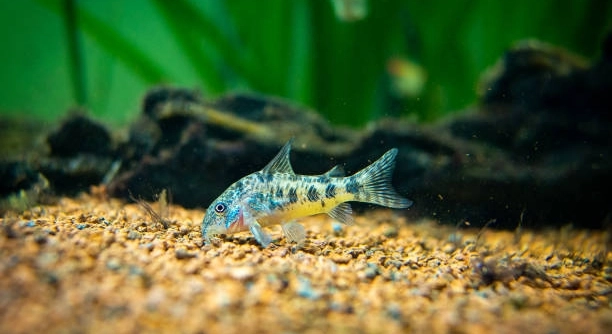
Do you ever find yourself watching your Corydoras and wondering if they’re really feeling safe in your aquarium setup?
A Corydoras catfish that feels safe will display relaxed behaviors such as steady swimming, active foraging, and frequent social interaction with tank mates. These behaviors are clear indicators of comfort and low stress levels.
Understanding these simple clues can help you create a more peaceful and thriving environment for your Corydoras.
7 Clues That Show Your Corydoras Feels Safe
Corydoras are peaceful bottom dwellers, and their behavior can tell you a lot about how they feel. When they are comfortable, they will explore the tank confidently. You’ll often see them sifting through the substrate with their barbels, looking for food. They may rest together in calm spots or swim alongside one another. If they feel safe, their movements are smooth and consistent, not rushed or erratic. They will often swim up to the surface for air in a gentle motion rather than darting up quickly. A relaxed Corydoras will also show healthy coloration and a good appetite. These small signs are easy to miss, but paying attention to them can help you understand how your fish is doing. When their environment feels secure, Corydoras behave naturally and thrive in their habitat.
They will often rest motionless or wiggle slightly in a group, showing comfort and trust in their space.
Pay attention to how they interact with their surroundings. Safe Corydoras will not hide constantly or stay away from lighted areas. They tend to move freely and engage with the tank environment. Their behavior becomes more predictable and consistent. If your fish are hiding often, darting suddenly, or avoiding certain parts of the tank, it may be a sign they are not feeling secure. Corydoras that feel at ease will investigate every corner of the tank. You’ll also notice them moving in groups, especially when they feed. These social fish rely on each other for safety, so group activity is a good sign. Feeding time is also revealing—safe fish will eat without hesitation. When all these behaviors align, it’s a clear indicator that your Corydoras feel safe and content in their environment.
What Makes Corydoras Feel Unsafe
Stress can show up in different ways, such as hiding, erratic swimming, or loss of appetite. These are signs to take seriously.
Tank conditions can play a big role in how safe your Corydoras feel. Poor water quality is often the first issue to look at. Ammonia, nitrite, and nitrate levels that are too high can stress your fish and cause them to act strangely. Sudden changes in temperature or pH can also upset their sense of stability. Noise and vibrations outside the tank may spook them, especially if their tank is near a busy area. Aggressive tank mates are another common issue—Corydoras do best with peaceful fish that leave them alone. Overcrowding can limit their space to move around and find quiet spots to rest. Even strong water flow from filters might push them around and cause stress. Watching for these triggers and making small adjustments can help restore calm. Keeping a consistent routine and checking water regularly will help your fish stay comfortable.
How to Encourage Safety in Your Corydoras
Start by making sure the tank is large enough and has plenty of hiding spots. Use smooth decorations, live or silk plants, and soft substrate like sand to support their natural behaviors.
Corydoras do best in groups of at least six. They’re social fish and feel safer when surrounded by others of their kind. Make sure the tank mates are calm and non-aggressive. Sudden movements or bullying from other fish can make them anxious. Keep lighting soft or provide shaded areas with plants to give them options. Strong lighting can make them hide more. Also, avoid tapping on the glass or making loud noises near the tank. A quiet, peaceful setting helps them feel secure. Observe their behavior after changes. If they become more active and less fearful, it means the new setup is working well.
A steady routine helps too. Feed them at the same time each day, and try to keep tank maintenance consistent. Big, unexpected changes in water levels, temperature, or layout can stress them out. Test water parameters often and do regular water changes. They like stable water with low nitrates, soft hardness, and slightly acidic pH. Keep filters quiet and gentle. Fast-moving water can disturb them. Also, if you’re adding new fish or décor, do it slowly to give your Corydoras time to adjust. The more predictable and calm their environment is, the more natural and relaxed their behavior becomes. It doesn’t take much—just steady care and a little observation goes a long way.
What Not to Do if You Want Them Calm
Avoid placing the tank in high-traffic areas like near a door, television, or loud speaker. Constant noise and movement can keep your Corydoras on edge, and they may stay hidden more than usual.
Don’t keep them alone or in very small numbers. Corydoras are schooling fish, and being kept by themselves can cause long-term stress. Avoid sharp gravel or hard decorations that can injure their delicate barbels. Also, try not to overfeed or suddenly change their diet. Too much leftover food can spoil the water, which stresses them out. Don’t move things around in the tank too often. They rely on familiar landmarks to feel secure. Lastly, don’t introduce aggressive tank mates. Even if another fish isn’t attacking them, just being chased or watched closely can make them feel unsafe. Keep an eye on interactions and be ready to make changes if needed.
Why Group Size Matters
Corydoras are social fish that rely on the comfort of their group to feel safe. Keeping them in a group of at least six allows them to display normal behaviors and reduces stress.
When kept in small numbers, they may hide more and show signs of fear or confusion. A proper group gives them a sense of security.
Signs Your Corydoras Is Still Stressed
If your Corydoras stays hidden most of the day, avoids feeding, or breathes heavily, it may still be feeling stressed. Erratic swimming or darting to the surface can also signal discomfort. Look for color fading or clamped fins, which may show poor health or anxiety. If the stress continues, their immune system can weaken, leading to illness. Check water quality and tank mates to rule out ongoing issues. Keep observing them quietly to avoid startling them further. Slow, calm changes in their environment can help them feel better over time.
When to Ask for Help
If behavior doesn’t improve after addressing all common stress causes, it’s best to ask an experienced aquarist or vet.
FAQ
How many Corydoras should be kept together?
Corydoras should always be kept in groups of at least six. These fish are naturally social and rely on their group to feel safe and relaxed. When kept alone or in very small numbers, they often become shy, inactive, or stressed. A proper school allows them to swim together, explore more confidently, and display normal behavior. Larger groups are even better if your tank size allows it, especially in long tanks where they have more space to move around. If possible, stick to the same species for a tighter, more peaceful group dynamic.
What are signs that my Corydoras is happy and healthy?
Healthy and happy Corydoras are active, curious, and calm. They will sift through the substrate with their barbels, often foraging together. Their swimming is steady and smooth, not frantic or overly fast. You’ll also notice them resting together in open or slightly shaded areas, not hiding all the time. Bright, clear eyes and full color are also good signs. They eat well and come out during feeding time without hesitation. If they’re swimming near one another, especially in sync, that shows they feel safe and social. These behaviors are all part of a calm and secure fish.
Why is my Corydoras hiding all the time?
Constant hiding is often a sign that something is off. It could be the water quality, loud noises, bright lighting, or the presence of aggressive fish. Corydoras do like to rest and take cover at times, but they shouldn’t be hiding for most of the day. Check the tank for stress factors like poor water conditions, fast currents, or tank mates that chase them. If everything looks fine, make sure they’re not alone—loneliness is a major reason they hide. Try adding more hiding spots and calming the environment. Watch to see if their behavior improves over time.
Can Corydoras live with other types of fish?
Yes, they can live with other peaceful fish. Corydoras do well with species that won’t nip at their fins or compete too aggressively for food. Good tank mates include small tetras, rasboras, peaceful guppies, and other non-aggressive bottom dwellers. Avoid larger, territorial, or fast-moving fish like cichlids or bettas that might harass them. Always observe how new fish behave with your Corydoras during the first few days. Compatibility isn’t just about species—it’s about individual behavior too. Stick to calm, community-type fish and provide enough space for everyone to avoid tension.
Do Corydoras need a filter?
Yes, a filter is necessary for maintaining water quality, but it should not create a strong current. Corydoras prefer gentle water movement and can become stressed if pushed around. Use a sponge filter or set up the filter output in a way that softens the flow. Strong currents make it hard for them to forage and rest properly. Clean the filter regularly so it works efficiently without creating unnecessary turbulence. Good filtration helps keep ammonia and nitrate levels low, which is key for their health. Just make sure the setup stays calm and steady.
Why do Corydoras swim to the surface suddenly?
This behavior is known as “air gulping” and is normal for Corydoras. They have a modified gut that allows them to breathe air when needed. Occasionally swimming to the surface is not a problem. However, if they’re doing it too often or seem panicked, it could mean low oxygen in the water or poor water quality. Make sure your tank is well-aerated, with good surface movement and stable conditions. Also, test for ammonia or nitrites, which can irritate their gills. If everything checks out, an occasional trip to the surface is just part of their routine.
How often should I clean the tank?
A partial water change of about 25–30% once a week is a good rule for most tanks with Corydoras. Regular cleaning keeps nitrate levels down and helps maintain stable water parameters. Use a gravel vacuum gently over the substrate to remove leftover food and waste without disturbing your Corydoras too much. Clean the filter media in old tank water—not tap water—to protect the helpful bacteria. Avoid cleaning the entire tank at once, as sudden changes in water chemistry can stress the fish. Keeping the tank clean and consistent is one of the best ways to help them feel safe.
Can Corydoras be kept in a planted tank?
Yes, and they usually thrive in planted tanks. Plants provide shade, natural hiding spots, and help keep the water clean. Use smooth-leaved or soft plants like Anubias, Java fern, or Amazon sword. These fish may disturb the substrate while foraging, so avoid rooting delicate plants too deeply. Floating plants can also help create a low-light environment, which makes Corydoras feel more secure. Just make sure the plants don’t block surface oxygen exchange. A well-planted tank mimics their natural habitat and gives them a calm, peaceful space to explore and rest.
Final Thoughts
Corydoras are peaceful, social fish that do best in calm and stable environments. They are not difficult to care for, but they do rely on a few basic things to feel safe. Clean water, a soft substrate, gentle tank mates, and being kept in groups all help them feel secure. When these needs are met, they will show more natural behaviors like foraging, group swimming, and resting together. If they are hiding all the time or acting nervous, it usually means something in their environment needs to be adjusted. Watching their behavior closely is one of the best ways to know how they’re doing.
It doesn’t take a lot to keep Corydoras happy, but small changes can make a big difference. Adding more hiding spots, calming the lighting, or fixing water conditions can quickly help them relax. They are sensitive to stress, but also respond well when their environment is improved. It’s also important to stay consistent. Feeding them at regular times, keeping the tank calm, and avoiding sudden changes all help them feel secure. Once they settle in, Corydoras become more active and fun to watch. They bring a lot of calm energy to a tank and are a great addition to a peaceful community setup.
In the end, creating a safe space for your Corydoras comes down to attention and care. These small fish show their needs through simple behavior. If they are acting naturally—swimming smoothly, eating well, and moving in groups—it’s a good sign they feel safe. If not, it’s worth taking the time to figure out why. With regular care and a bit of patience, most issues can be fixed without much trouble. Corydoras are hardy when kept under the right conditions, and they often become more confident over time. Making sure they feel safe is not just good for them—it also makes your tank more enjoyable to watch and care for.

Hello,
If you enjoy the content that we create, please consider saying a "Thank You!" by leaving a tip.
Every little bit helps us continue crafting quality advice that supports the health, happiness, and well-being of pets around the world, for pets of all shapes, sizes, and species.
We really appreciate the kindness and support that you show us!