
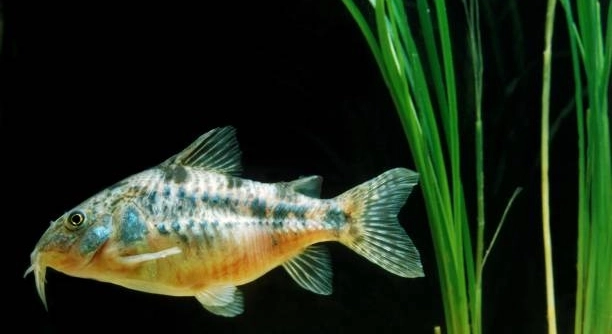
Corydoras catfish are known for their unique behavior of moving between different tank levels. Understanding why they do this can help improve their living environment and overall health. Let’s explore some theories behind this fascinating habit.
Corydoras catfish exhibit movement between tank levels due to various factors, such as water conditions, oxygen levels, or the need for food. These fish are naturally active and may explore different areas of the tank to satisfy their environmental needs.
There are several possible reasons for this behavior, including changes in water quality and the fish’s search for food or oxygen. These factors are key to understanding how your Corydoras interact with their tank environment.
Water Quality and Tank Conditions
The water quality in your tank plays a significant role in the behavior of your Corydoras catfish. They prefer clean, well-maintained environments, and fluctuations in water parameters can cause them to move between tank levels. If the water becomes too warm, too cold, or improperly filtered, Corydoras may shift locations to find a more comfortable spot. Water hardness and pH levels also affect their movement. If the water is not ideal, they may search for better conditions within the tank.
Maintaining optimal water conditions is essential for keeping your Corydoras healthy. Check the water regularly to ensure the temperature, pH, and hardness are within the preferred range for these fish.
It’s important to perform regular water changes and monitor the filter to ensure that your Corydoras have a clean environment. If there is a noticeable change in behavior, test the water quality immediately. By keeping these factors stable, you can provide a more comfortable habitat for your catfish and reduce unnecessary movement between tank levels.
Oxygen Levels and Aeration
Corydoras catfish are bottom dwellers, but they also require plenty of oxygen to thrive. In tanks with low oxygen levels, these fish may swim to the surface or middle of the tank in search of better aeration. Without proper filtration or water movement, oxygen can become depleted in certain areas.
Installing an air pump or increasing surface agitation can improve oxygen distribution, helping your Corydoras feel more comfortable. If your catfish is constantly swimming at the surface, consider adjusting the tank’s aeration system. This small change can make a big difference in their behavior and health.
Food Availability
Corydoras catfish are active foragers. If food is scarce in certain areas of the tank, they may move to find better feeding spots. They tend to search for sinking food on the tank floor or areas where food settles. A lack of food can lead to increased movement between different tank levels.
To prevent this behavior, ensure that food is evenly distributed throughout the tank. Use sinking pellets or food that targets their foraging habits. Keep an eye on their feeding routine to avoid overfeeding or underfeeding. Proper food distribution helps to reduce the need for constant searching, keeping your Corydoras calm and active.
Also, ensure the tank has enough hiding spots where food can accumulate naturally. Providing a variety of food, including live or frozen foods, can stimulate their natural foraging instincts. A well-fed Corydoras will be less likely to exhibit excessive movement between different tank levels.
Tankmates and Social Interaction
Corydoras are social fish that prefer the company of their own kind. If tankmates are too aggressive or if there’s a lack of interaction, Corydoras may move between different tank levels as they search for comfort or space. A peaceful environment is crucial for their well-being.
To maintain harmony, ensure that your Corydoras share the tank with peaceful species. Aggressive fish can cause stress, leading Corydoras to avoid the lower levels of the tank. Providing ample hiding places and territories will help reduce conflicts and allow your catfish to feel more secure in their environment.
Stress and Environmental Factors
Stress is a significant factor in Corydoras’ movement between tank levels. Changes in the environment, like loud noises, sudden temperature shifts, or new tankmates, can cause discomfort. Corydoras often seek areas where they feel more secure when stressed.
Keeping the tank environment stable is key. Avoid sudden changes in temperature or water chemistry. Provide a quiet space for your Corydoras to feel safe. A consistent routine and calm atmosphere can help reduce stress and prevent unnecessary movements between tank levels.
Tank Size
A small tank can limit the swimming space for Corydoras, leading to them moving between different levels. They may look for areas that allow more freedom of movement. A cramped environment can cause stress and irregular behavior in your fish.
Ensure that your tank is large enough to accommodate multiple Corydoras comfortably. A spacious tank provides plenty of room to swim and explore without the need to constantly move between levels. Avoid overcrowding, as this can lead to stress and reduced oxygen levels, which in turn can affect your fish’s behavior.
Water Temperature
Corydoras catfish are sensitive to temperature changes. If the water becomes too warm or too cold, they may move around to find a more suitable environment within the tank. Keeping the water temperature stable is crucial for their well-being.
Maintaining a consistent temperature within the ideal range for Corydoras helps reduce erratic movement. Invest in a reliable heater and thermometer to monitor the water closely. Regularly check the temperature to ensure it remains within the preferred range for your fish.
FAQ
Why do Corydoras move to the surface of the tank?
Corydoras often move to the surface when the oxygen levels in the lower parts of the tank are insufficient. They may seek higher oxygenated water to breathe more easily. Additionally, if the water temperature is too high, they might move to cooler areas closer to the surface. Ensuring proper aeration and water circulation can prevent this behavior.
Is it normal for Corydoras to swim to the top of the tank?
Yes, it’s normal for Corydoras to occasionally swim to the top. They may rise to the surface to gulp air, especially if oxygen levels are low or if there are fluctuations in water conditions. However, constant swimming to the surface could indicate an underlying issue, such as poor water quality or low oxygen.
Do Corydoras catfish prefer certain tank levels?
Corydoras typically prefer the bottom levels of the tank where they forage for food. However, they can be seen moving to other levels if they feel the need for better food sources, more oxygen, or if they are stressed. Ensuring a balanced tank environment can reduce unnecessary movement.
Why does my Corydoras catfish swim in circles?
Corydoras may swim in circles due to stress or water quality issues. If the water parameters (like pH, temperature, or ammonia levels) are off, your catfish might display this behavior. It can also happen if the tank is too small or overcrowded. Check the tank’s conditions and make adjustments to ensure a healthy environment for your fish.
Can Corydoras be kept with other fish?
Yes, Corydoras are peaceful fish and generally do well with other non-aggressive species. They prefer being in groups of at least three to five of their own kind. Avoid keeping them with overly territorial or aggressive fish, as this could cause stress and irregular movement between tank levels.
What should I do if my Corydoras is always at the surface?
If your Corydoras stays at the surface all the time, it could be a sign of insufficient oxygen levels, high water temperature, or poor water quality. Increase aeration, ensure the water temperature is within the optimal range, and check the filtration system. Also, perform regular water changes to maintain clean water.
How do I know if my Corydoras is stressed?
Stressed Corydoras often display signs like erratic swimming patterns, moving to different tank levels, or staying in one spot for long periods. Stress can be caused by poor water quality, sudden temperature changes, overcrowding, or aggressive tankmates. Make sure the environment is stable and peaceful to reduce stress.
Can Corydoras get along with other bottom-dwelling fish?
Corydoras are typically peaceful and can coexist with other bottom-dwelling species like loaches, provided the tank is large enough. Avoid keeping them with fish that are territorial or overly aggressive. Proper tank space and hiding spots can help prevent conflicts between bottom dwellers.
What is the best way to feed Corydoras?
Corydoras are bottom feeders and prefer sinking foods like pellets, wafers, and freeze-dried foods. Offer food that sinks to the bottom of the tank to cater to their natural feeding habits. Ensure that the food reaches the bottom before it floats away to prevent it from going uneaten.
How often should I feed Corydoras?
Feed Corydoras once or twice a day. They are opportunistic feeders, so avoid overfeeding, which can lead to poor water quality. Only offer as much food as they can consume within a few minutes to prevent leftovers from polluting the water. Monitor their feeding habits to ensure they are eating properly.
How do I keep my Corydoras happy and healthy?
To keep your Corydoras happy, maintain stable water conditions, provide a clean and well-filtered tank, and offer a varied diet. A group of Corydoras will feel more comfortable and secure. Keep the tank peaceful, avoid sudden temperature changes, and ensure there are enough hiding places to reduce stress.
Why is my Corydoras always hiding?
If your Corydoras is hiding frequently, it may be stressed or feeling threatened by tankmates. A lack of hiding spots or poor water quality can also contribute to this behavior. Ensure that the tank is set up with plenty of hiding places and that the water quality is optimal.
Do Corydoras need a heater in their tank?
Corydoras are tropical fish and need stable water temperatures between 72°F and 78°F. If your tank temperature fluctuates or falls outside this range, a heater will help maintain a consistent temperature. A reliable heater ensures that your Corydoras stay comfortable and healthy in their environment.
Why are my Corydoras swimming erratically?
Erratic swimming can be a sign of poor water quality, stress, or illness. Check the tank’s water parameters, including ammonia, nitrites, and pH levels, as well as the temperature. Also, look for signs of disease, such as lesions or unusual behavior. Stress from overcrowding or tankmates can also lead to erratic swimming.
Can Corydoras tolerate colder water?
Corydoras are sensitive to cold water and prefer temperatures between 72°F and 78°F. They can survive in slightly cooler temperatures, but prolonged exposure to cold water can stress them and lead to health issues. Use a heater to maintain the appropriate temperature for their well-being.
How do I encourage my Corydoras to breed?
To encourage breeding, maintain stable water parameters and provide plenty of hiding places. Corydoras often breed when water conditions are optimal and when they feel secure. Offering a varied diet, including live or frozen foods, can also help trigger breeding behavior. If conditions are right, Corydoras will often breed in groups.
What are common diseases that affect Corydoras?
Corydoras can be affected by common fish diseases like ich, fin rot, and swim bladder issues. Poor water quality, overcrowding, or stressed tankmates can contribute to disease outbreaks. Regular water changes and maintaining a clean tank can reduce the risk of diseases. Always quarantine new fish before adding them to your tank.
Final Thoughts
Corydoras catfish are fascinating creatures with unique behaviors. Their movement between different tank levels can often be traced back to their need for a stable and comfortable environment. Factors like water quality, tank size, and the presence of stressors play a significant role in influencing their actions. By paying attention to these elements, aquarium owners can help ensure that their Corydoras remain happy and healthy.
Understanding the reasons behind your Corydoras’ movements is essential for creating a peaceful tank environment. Whether they are seeking oxygen at the surface, avoiding stress, or simply exploring their surroundings, these behaviors are often an indication that something in their habitat needs adjustment. Regular maintenance of water quality, providing enough space, and monitoring the temperature are critical aspects to consider. Keeping their needs in mind will not only reduce unnecessary movement but also improve the overall well-being of your fish.
Ultimately, Corydoras catfish are resilient, adaptable, and relatively easy to care for, as long as their basic needs are met. Paying close attention to their behavior, such as frequent movements between tank levels, will help you understand what they need to thrive. By maintaining a stable, well-maintained tank, you can ensure that your Corydoras live a long, healthy life in a comfortable environment. Keeping them in groups, providing plenty of food, and maintaining the right water parameters will help reduce stress and encourage more natural behavior.

Hello,
If you enjoy the content that we create, please consider saying a "Thank You!" by leaving a tip.
Every little bit helps us continue crafting quality advice that supports the health, happiness, and well-being of pets around the world, for pets of all shapes, sizes, and species.
We really appreciate the kindness and support that you show us!