
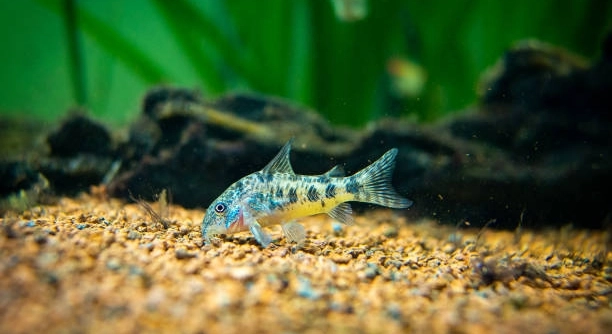
Corydoras catfish are peaceful and popular aquarium pets. However, they can struggle when housed with more aggressive tankmates. Ensuring their safety and well-being in a community tank requires specific precautions and strategies to protect them.
To keep Corydoras catfish safe from aggressive tankmates, maintain peaceful tank environments by choosing compatible fish, providing hiding spots, and offering sufficient food. Avoid overcrowding, and use barriers if needed to reduce stress. This promotes a stable, secure habitat.
By taking a few simple steps, you can ensure that your Corydoras thrive alongside other fish. These strategies will help create a peaceful environment for all your tank’s inhabitants.
Choose Peaceful Tankmates
When selecting tankmates for Corydoras catfish, it’s crucial to consider their calm nature. Corydoras are bottom dwellers that prefer slow-moving fish. Choosing tankmates that are also peaceful and won’t intimidate them can prevent stress and injury. Species like guppies, neon tetras, and rasboras often make good companions. Avoid aggressive or territorial fish that may chase or nip at the Corydoras, as this can lead to health issues.
Corydoras thrive in an environment where they feel secure. Fish that are too fast or aggressive can cause constant stress, which weakens their immune system. A peaceful community tank can ensure that all inhabitants coexist without problems.
Maintaining a peaceful environment doesn’t just benefit the Corydoras; it helps other fish as well. Each species has its own temperament, and finding the right balance is key to a harmonious aquarium. Knowing which fish work well together can save you from costly mistakes and help all your fish live happily.
Provide Hiding Spaces
Hiding spaces are essential for Corydoras catfish, as they help them feel safe and secure. By providing shelters like caves, plants, or driftwood, Corydoras can retreat when they feel threatened.
In addition to hiding spots, you should also create a tank layout that encourages exploration without overcrowding the space. A variety of plants and structures can offer opportunities for the fish to feel in control of their environment. Corydoras feel safest in well-planted tanks with plenty of cover.
Maintain Proper Water Conditions
Corydoras catfish are sensitive to poor water quality. Regularly test water parameters like pH, temperature, and ammonia levels to ensure they stay within the ideal range. Clean water reduces stress and prevents potential harm from aggressive tankmates.
Optimal water conditions are crucial for keeping Corydoras healthy. Ammonia and nitrite spikes can harm their immune system, making them vulnerable to diseases. Perform regular water changes to keep pollutants at bay, and use a high-quality filtration system. Consistent water parameters help ensure your Corydoras feel secure, reducing aggression-related issues.
When water conditions fluctuate, Corydoras can become stressed, which leads to a weakened immune system. Stress makes them more likely to be targeted by more aggressive fish. Consistent, clean water supports the overall well-being of all your tank’s inhabitants, creating a harmonious atmosphere for everyone.
Feed Adequately
Corydoras are bottom feeders that appreciate a well-rounded diet. Provide sinking pellets, live or frozen foods like worms, and occasional plant matter to ensure proper nutrition. Adequate feeding helps them avoid competition for food with more aggressive tankmates.
Overfeeding is a common mistake that leads to water pollution, but underfeeding can make Corydoras stressed and vulnerable. The key is to offer enough food for everyone in the tank without excess. Sinking pellets are great for Corydoras, as they allow them to feed comfortably from the substrate.
If the Corydoras are constantly competing for food, they may become stressed, which can make them an easy target for aggressive fish. Ensure all tankmates get their share of food by offering a variety of options, ensuring everyone remains healthy and well-fed.
Avoid Overcrowding
Overcrowding a tank can lead to stress for Corydoras catfish. Too many fish in a small space can increase competition for food and create aggression. Proper tank size ensures that each fish has its own space to thrive.
Corydoras prefer to swim in groups, but overcrowding can lead to territorial disputes and poor water quality. When there’s not enough room, the fish may become stressed and more susceptible to disease. Ensure your tank size matches the number of fish you have, maintaining a balance of both space and water quality.
Proper space reduces aggression by allowing each fish to claim its own area. It also helps maintain the cleanliness of the tank, as there’s less waste build-up in a well-sized aquarium. The less crowded the environment, the healthier and happier your Corydoras will be.
Use Tank Dividers
Tank dividers can be helpful in preventing aggression between Corydoras and more dominant tankmates. These barriers can offer safe zones where Corydoras can retreat if needed, keeping them out of the way of aggressive fish.
By using a divider, you allow Corydoras to swim freely without worrying about aggressive fish following them. This extra layer of protection ensures that the peaceful bottom dwellers are not harassed. Dividers give them the space they need to feel secure.
Keep Temperature Stable
Maintaining a stable temperature in the tank is essential for Corydoras. Fluctuating temperatures can stress them and make them more vulnerable to aggression from other fish. Aim for a consistent range, typically between 72–78°F (22–26°C), for optimal health.
FAQ
How can I tell if my Corydoras are stressed?
Stressed Corydoras catfish may exhibit several signs. They might stop eating, hide more frequently, or swim erratically. Their coloration may also dull, and they could become more skittish around other fish. If you notice these behaviors, it’s a sign that something is affecting their well-being, such as aggressive tankmates, poor water conditions, or overcrowding. It’s essential to observe their behavior and make any necessary changes to reduce stress.
Can Corydoras live with other bottom-dwelling fish?
Corydoras can live with other bottom-dwelling fish, as long as they are peaceful. Fish like loaches and certain species of plecos can coexist with Corydoras, but care must be taken to avoid aggressive species. Always ensure the tankmates are non-territorial and not overly competitive for food or space. Introducing a variety of hiding spots and creating a well-planted environment will also help keep everyone comfortable.
What is the best tank size for Corydoras catfish?
A minimum tank size of 20 gallons is recommended for a small group of Corydoras catfish. Larger tanks allow for better water quality, more space to swim, and the ability to add compatible tankmates. Keeping the tank spacious helps reduce stress and provides more hiding spots. If you have other fish in the tank, consider a larger size to ensure ample room for all inhabitants.
How many Corydoras should I keep together?
Corydoras are social fish and prefer to live in groups. It’s best to keep at least 5 to 6 Corydoras together to allow them to feel secure. A larger group can help reduce stress, as they feel safer when surrounded by their own kind. A small school also helps mimic their natural behavior and reduces the likelihood of aggression from other tankmates.
Can Corydoras tolerate salt in the water?
Corydoras are freshwater fish and should not be kept in salty water. While they can tolerate very low salinity in certain conditions, prolonged exposure to salt can harm their health. For best results, keep the tank in a completely freshwater environment to ensure the long-term well-being of your Corydoras. If you must treat for disease, it’s important to research the specific type of salt treatment recommended for Corydoras.
Why are my Corydoras staying at the bottom of the tank?
Corydoras are bottom dwellers, so it’s completely normal for them to stay near the bottom of the tank. However, if they appear lethargic, it could be a sign of poor water quality, stress, or illness. Ensure the tank’s water parameters are ideal, and that there are no aggressive fish harassing them. If the behavior persists, check for symptoms of illness, such as faded colors or a lack of appetite.
Do Corydoras need a lot of oxygen in the tank?
Corydoras catfish do not require particularly high oxygen levels but do benefit from well-oxygenated water. They are equipped with specialized barbels to help them sense food on the tank floor, but they also rely on proper water circulation to stay healthy. Regular water changes and adequate filtration will maintain oxygen levels and promote overall tank health.
How often should I feed my Corydoras catfish?
Corydoras catfish should be fed once or twice a day, depending on their activity level and the number of fish in the tank. It’s essential to provide sinking pellets that cater to their bottom-feeding nature. Be mindful not to overfeed, as excess food can pollute the water. Offer enough food so they can eat in peace without competition, and remove any uneaten food after a few hours.
What should I do if my Corydoras are being bullied?
If your Corydoras are being bullied by aggressive tankmates, it’s important to address the issue quickly. First, try rearranging the tank or adding more hiding spots to reduce stress. If aggression persists, consider separating the aggressive fish or using a tank divider to create a safe space for your Corydoras. Ensuring that all fish have enough space, food, and places to hide is essential for maintaining a peaceful environment.
Are Corydoras catfish sensitive to water temperature changes?
Yes, Corydoras catfish are sensitive to sudden temperature fluctuations. They thrive in a stable water temperature range of 72–78°F (22–26°C). Rapid changes in temperature can lead to stress, making them more vulnerable to illness. Use a reliable heater to maintain a consistent temperature and avoid placing the tank in drafty areas or near heat sources that could cause drastic changes.
Can Corydoras catfish survive in hard water?
Corydoras catfish are adaptable to a range of water hardness levels but prefer soft to moderately hard water. Extremely hard water may cause stress or lead to health issues over time. It’s important to test the water regularly and make adjustments as needed. If your water is very hard, you can soften it by using a reverse osmosis filter or adding deionized water.
Final Thoughts
Keeping Corydoras catfish safe from aggressive tankmates is not difficult if the right steps are taken. The key is to create an environment where they feel secure and have enough space to thrive. Ensuring proper water conditions, a balanced diet, and a peaceful tank setup can help prevent aggression and reduce stress. With the right care, Corydoras can coexist with other fish and live healthy, happy lives in your aquarium.
Providing enough hiding spots and maintaining a stable water temperature are also essential factors in keeping Corydoras safe. Avoid overcrowding the tank and make sure your other tankmates are peaceful and non-aggressive. It’s also a good idea to observe your Corydoras regularly for signs of stress or illness. Any changes in behavior should be addressed promptly, as even small issues can grow into bigger problems if not dealt with in time.
Overall, the safety and well-being of your Corydoras depend on your attention to detail. By carefully selecting tankmates, monitoring water quality, and feeding properly, you can create an environment where your fish feel comfortable and are less likely to become victims of aggression. A little time and effort spent maintaining the tank can go a long way in ensuring the long-term health of your Corydoras.

Hello,
If you enjoy the content that we create, please consider saying a "Thank You!" by leaving a tip.
Every little bit helps us continue crafting quality advice that supports the health, happiness, and well-being of pets around the world, for pets of all shapes, sizes, and species.
We really appreciate the kindness and support that you show us!