
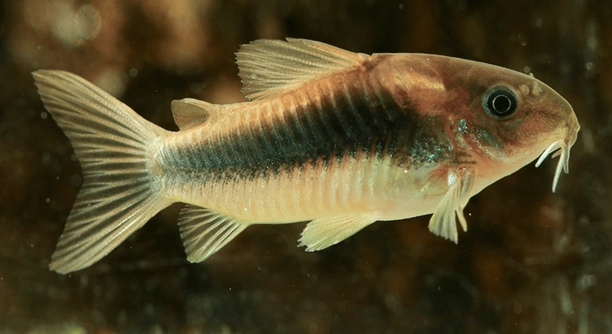
Are your Corydoras catfish acting restless, hiding less, or showing signs of stress in your tank setup at home?
Corydoras catfish may need more hiding spots if they exhibit increased stress, erratic swimming, or aggression from tank mates. These behaviors often indicate discomfort caused by a lack of shelter, which can negatively impact their health and well-being.
Providing enough secure spots helps them feel safe and encourages natural behavior throughout the day.
Why Hiding Spots Matter for Corydoras
Corydoras catfish are naturally shy and thrive in environments where they feel safe. In the wild, they stay close to plants, roots, and rocks to avoid threats. When kept in tanks without enough shelter, they become anxious and may stop displaying natural behaviors like foraging or social interaction. Constant exposure without a place to retreat increases stress levels, which weakens their immune system and leads to health problems. Hiding spots also help reduce aggression from other fish by giving them space to escape. Whether it’s a piece of driftwood, dense plants, or ceramic caves, having more cover helps create a balanced, secure setting. This is especially important if you keep them in a community tank. They will be more active, healthier, and less prone to injury or illness. Providing shelter does more than just meet their needs—it supports their long-term stability and comfort in a home aquarium.
Corydoras do best when they feel secure. Without hiding areas, they become more nervous and vulnerable in community tanks.
Adding even a few extra places to hide can improve behavior and tank harmony. It also encourages natural movements, like sifting through substrate, which is part of their daily activity.
7 Signs Your Corydoras Needs More Hiding Spots
If your Corydoras are swimming frantically, clinging to corners, or staying motionless, these are signs of stress from poor tank layout.
Restlessness, constant hovering near the surface, or unusual hiding in tank equipment may point to a need for more shelter. Some may also show fading colors or avoid group activity altogether. If you notice your Corydoras eating less or getting chased by other fish more often, take it seriously. These changes are not random. They show discomfort and potential long-term health risks. Adding hiding areas like caves, plants, and decor can help. Monitor behavior changes once these adjustments are made. Corydoras are usually calm and curious when they feel secure. A tank with good hiding spots should allow them to move comfortably in and out of view. This small change in setup can lead to big improvements in health, activity, and even tank dynamics with other fish.
Best Types of Hiding Spots for Corydoras
Corydoras benefit most from low, shaded hiding spots that mimic their natural environment. Use soft-edged decor like smooth stones, driftwood, and thick plants to avoid injury while offering them places to retreat and rest safely.
Live plants such as Java fern, Anubias, and Amazon swords create excellent cover while improving water quality. Driftwood placed horizontally allows Corydoras to rest underneath while feeling protected. Caves made from smooth ceramic or resin are also ideal. Avoid decor with sharp edges or narrow gaps that can trap or harm them. Mixing plant life with stable decor offers balance, letting the fish explore and hide freely. Keeping these items low and spread out across the bottom of the tank supports their natural bottom-dwelling habits. Proper placement matters just as much as quantity, so arrange hiding areas where they can feel secure and undisturbed throughout the day.
Store-bought decor works well, but even basic items like coconut shells or PVC pieces cut to size are useful. Make sure they’re aquarium-safe and free of toxins or sharp parts. You can also layer different materials, like a pile of rocks with moss or leaf litter, to create natural, shaded retreats. These setups help reduce stress and improve daily activity.
How to Rearrange the Tank for Better Cover
Start by removing clutter that blocks movement and replacing it with stable, spread-out hiding spots. Position shelters in shaded areas, especially near the tank’s edges, so Corydoras can explore freely while avoiding bright lights.
Keep their bottom-dwelling nature in mind. Scatter at least three to four hiding areas across the tank floor. Avoid stacking items too high, as they rarely swim upward unless forced. Make space around shelters for them to sift through the substrate, which helps keep them engaged. If you notice aggressive tank mates, place hiding areas closer to feeding zones or add more objects in the middle section of the tank. Rearranging every few months also refreshes their environment, which can boost activity and reduce boredom. Always clean decor before moving it back in. Aim for variety, including both solid cover and softer hiding spaces. This layout promotes safer, more natural behavior.
Common Mistakes to Avoid
Overcrowding the tank with too many decorations or large items can limit swimming space and increase stress. Stick to a balanced layout that offers cover without blocking movement, especially along the tank floor where Corydoras spend most of their time.
Using decor with rough or sharp edges can injure Corydoras as they explore. Always choose smooth, aquarium-safe materials and inspect every item before placing it in the tank. This helps avoid fin damage, scratches, or bacterial infections from open wounds.
How Often to Adjust or Add Hiding Spots
Corydoras don’t need constant changes, but small updates every few months can help maintain their comfort. Add or move hiding spots if you notice behavioral shifts, increased stress, or aggression from other tank mates. Growing live plants also helps naturally refresh their cover. Watch how they interact with the layout and adjust as needed.
Lighting and Hiding Spot Placement
Corydoras prefer dim lighting. Position shelters in shaded or low-light areas to give them comfort throughout the day.
FAQ
How many hiding spots do Corydoras need?
Corydoras need at least three to four hiding spots in a tank to feel comfortable. These can be caves, plants, or pieces of driftwood placed around the tank. The more varied the options, the better, as it gives them freedom to choose where they feel safest. It’s important to consider their need for shelter from both light and other tank mates.
Can Corydoras hide in plants?
Yes, Corydoras will hide in plants, especially dense ones like Java fern or Amazon swords. Plants provide natural cover and mimic the environment they would experience in the wild. They offer a space for the catfish to retreat while still being able to explore and interact with their surroundings. Make sure the plants are rooted properly to avoid shifting or damaging their hiding spots.
Do Corydoras need a specific substrate for hiding?
Corydoras prefer fine, soft substrates like sand or smooth gravel, which allows them to sift through the surface for food and hide when they feel threatened. Coarse gravel or sharp edges can harm their barbels, which are essential for their foraging behavior. A soft substrate mimics the bottom of rivers or streams where they naturally live and provides a safe area for them to rest and retreat.
How can I tell if my Corydoras is stressed?
Stressed Corydoras may swim erratically, hover near the surface, or become overly shy, hiding more often than usual. They might also refuse food or have faded colors. These signs suggest they’re uncomfortable with the tank environment, and providing more hiding spots could help. Stress can also stem from overcrowding or aggressive tank mates.
Can too many hiding spots stress Corydoras?
While Corydoras benefit from hiding spots, too many can overcrowd the tank and reduce swimming space. It’s essential to strike a balance between providing shelter and allowing room for them to move freely. Aim for a layout that includes a few secure hiding spots spread out evenly without making the tank feel cramped.
Do Corydoras need hiding spots if kept alone?
Even if Corydoras are kept alone, they still benefit from hiding spots. These fish are naturally shy and will feel more secure with places to retreat. A tank with hiding spots will also help them engage in more natural behaviors, such as foraging and exploring, rather than simply floating around or staying motionless.
Can I use artificial plants for hiding spots?
Yes, artificial plants can be used as hiding spots, but they should be chosen carefully. Ensure the plants are soft and free from any sharp edges that could harm the Corydoras. Plastic plants with rough edges can tear their fins or damage their barbels. Look for artificial plants designed specifically for aquariums, as they are typically safer for fish.
Should I place hiding spots near tank filters or heaters?
It’s best to avoid placing hiding spots too close to tank filters or heaters. The constant water flow or heat can make those areas less appealing for Corydoras, as they prefer calm, cooler spots. Instead, position hiding spots along the tank’s sides or in areas with stable, low-flow water to make the fish feel more secure.
Do Corydoras need hiding spots at night?
Yes, Corydoras often hide at night or during periods of darkness to feel secure. This is when they are most likely to rest. Having accessible hiding spots in a dimly lit part of the tank allows them to retreat and relax. Without these spots, they may become stressed and less likely to rest properly.
Can I rearrange the hiding spots frequently?
It’s fine to rearrange hiding spots occasionally, but frequent changes can cause stress. Corydoras rely on their environment to feel secure. When the layout is constantly changed, it can make them feel unsettled. Rearranging every few months is a good practice to keep their environment interesting, but avoid overdoing it.
Are caves necessary for Corydoras?
Caves are not strictly necessary, but they are highly beneficial. Corydoras love caves because they mimic the burrows they would use in the wild to escape predators or hide when resting. Caves are great for creating a sense of security. If you don’t use caves, make sure to provide other forms of shelter, like plants or smooth rocks.
Do Corydoras like to hide together?
Yes, Corydoras are social fish and often prefer to hide together. They feel safer when in a group, and having multiple hiding spots lets them retreat to areas where they can rest while still being near their tank mates. This behavior helps them feel secure and reduces stress.
Can I add hiding spots while other fish are in the tank?
You can add hiding spots while other fish are in the tank, but do so carefully. Make sure the new decor doesn’t disturb or stress the other fish. It’s best to rearrange the tank gradually or add items during a water change when the fish are less active. This minimizes disruption and ensures a smoother transition.
How can I make hiding spots more appealing to Corydoras?
To make hiding spots more appealing, ensure they are placed in dimly lit areas and close to areas where the fish can forage. Adding plants or decorations around the shelter can also create a more natural environment, making it feel secure. Keep the substrate soft, and avoid sharp edges on decorations to prevent injury.
Should I add more hiding spots if I add new fish?
Yes, adding more hiding spots is a good idea when introducing new fish. This provides new tank mates with spaces to establish their territory and helps Corydoras feel secure. Adding extra cover reduces competition and stress, creating a better environment for all fish.
Can Corydoras share hiding spots with other species?
Corydoras can share hiding spots with peaceful species, but be cautious with aggressive fish. Tank mates like tetras, rasboras, or peaceful livebearers can coexist with Corydoras and share hiding spots. However, fish like cichlids or bettas may compete for space and cause stress. Ensure each species has enough space to feel secure.
Final Thoughts
Providing the right environment for your Corydoras catfish is essential for their health and happiness. These small fish thrive in tanks with sufficient hiding spots that allow them to feel secure and explore freely. Ensuring a balanced layout that includes areas of cover, like caves, plants, or smooth rocks, will help them maintain their natural behaviors and reduce stress. By offering different hiding places, Corydoras can choose areas that fit their needs based on factors like light levels or water flow. It’s important to keep in mind that a comfortable environment leads to healthier, more active fish.
Remember that Corydoras are bottom dwellers, so their hiding spots should be placed in areas where they feel most comfortable, typically along the tank’s floor. Their natural habitat involves a lot of exploration, foraging, and seeking shelter, so their tank setup should reflect this. The more natural and varied their hiding spots are, the better. Smooth substrates like sand are ideal because they allow the fish to sift through the surface while avoiding injury to their sensitive barbels. Overcrowding the tank with decorations should also be avoided, as it limits their movement and may increase stress.
Lastly, keep an eye on your Corydoras’ behavior. If you notice signs of stress, such as erratic swimming or hiding more than usual, consider adjusting the tank’s layout. Adding or moving hiding spots can make a significant difference in how they interact with their environment. While Corydoras don’t require constant changes, small adjustments can help maintain a comfortable and secure space for them. By providing the right hiding spots and maintaining a stable tank environment, you’ll ensure that your Corydoras catfish remain healthy, happy, and active.

Hello,
If you enjoy the content that we create, please consider saying a "Thank You!" by leaving a tip.
Every little bit helps us continue crafting quality advice that supports the health, happiness, and well-being of pets around the world, for pets of all shapes, sizes, and species.
We really appreciate the kindness and support that you show us!