
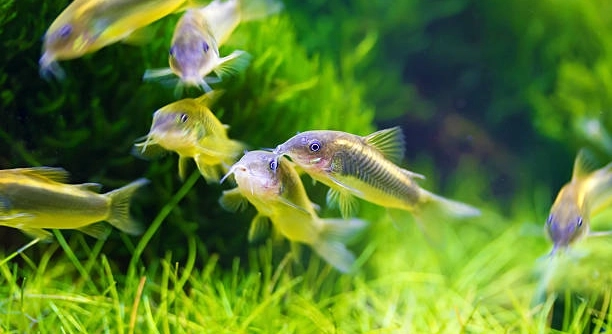
Corydoras catfish are beloved for their peaceful nature and charming behavior, but sometimes they can appear stressed in their tank. It’s important to understand what could be causing this stress and how to help them feel more comfortable.
The main reasons for stress in Corydoras catfish include poor water quality, improper tank mates, or inadequate tank conditions. Ensuring proper water parameters and providing a suitable environment can significantly reduce stress and improve their overall well-being.
Small adjustments in their environment can make a big difference in how your Corydoras catfish behave. We’ll go over some easy fixes that can help bring them back to their calm, happy selves.
1. Poor Water Quality Can Cause Stress
One of the main reasons Corydoras catfish may seem stressed is poor water quality. These fish are very sensitive to changes in water parameters. Ammonia, nitrites, and high nitrate levels can irritate their delicate gills and skin, leading to signs of stress. Keeping the water clean is essential for their health and comfort. Regular water changes, maintaining a good filtration system, and testing the water regularly will help ensure your fish are happy.
Keeping water quality in check also involves avoiding sudden temperature changes. Corydoras prefer stable conditions, so make sure the water temperature stays within their ideal range. This will prevent any unnecessary stress or discomfort for your fish.
Additionally, adding live plants to the tank can help improve water quality naturally. Plants will absorb excess nutrients and help keep the water clear. Be sure to monitor the water regularly to prevent any spikes in harmful chemicals.
2. Incompatible Tank Mates
Corydoras catfish are peaceful creatures, and they can get stressed if housed with aggressive tank mates. Fast-moving fish, fin-nippers, or overly territorial species may cause your Corydoras to hide or become anxious. Make sure you choose compatible fish that won’t bother them.
When selecting tank mates for your Corydoras, consider their calm nature. Fish that swim slower or are more docile, like tetras or rasboras, are great companions. Avoid keeping them with fish that are overly aggressive or those that tend to chase or bully others. This will help keep your Corydoras calm and stress-free.
Overcrowding can also lead to stress. Even with peaceful fish, if the tank is too small or too crowded, the Corydoras may feel confined and overwhelmed. It’s essential to give your fish enough space to move around comfortably. A good rule of thumb is to have at least 10 gallons of water for every 3-4 Corydoras.
3. Poor Tank Conditions
Corydoras are bottom dwellers and prefer a soft substrate to roam on. Sharp gravel can cause injuries, and if they’re constantly injured, it will add to their stress. Opt for fine sand or smooth gravel to protect their delicate bodies.
Providing a suitable substrate is crucial for their well-being. Corydoras love to sift through the sand with their barbels. When they’re constantly rubbing against rough surfaces, they can develop infections or physical stress. It’s important to set up the tank with a soft, smooth surface where they can move freely without harm.
In addition to the substrate, tank décor and hiding spots are essential. Corydoras prefer places to retreat to when they feel threatened. Adding rocks, caves, or plants will give them the security they need. A well-designed tank will not only keep them relaxed but also encourage their natural behavior.
4. Stress from Tank Lighting
Bright or harsh lighting can cause stress for Corydoras catfish. These fish prefer dimmer conditions where they feel more secure. Intense lighting can make them more anxious and less active, leading to a stressed environment. Consider using softer, low-intensity lighting for your tank.
If your tank light is too bright, Corydoras may hide or become lethargic. Using lighting with a timer can help establish a more consistent day-night cycle, making your fish feel more at ease. This will also prevent sudden changes in light that might alarm them.
You can also place floating plants or decorations to create shaded areas in the tank. This allows the Corydoras to have a choice of where they want to be, either in bright or darker areas, helping them feel more secure.
5. Overfeeding Can Contribute to Stress
Overfeeding Corydoras can lead to poor water quality, which can cause them stress. Excess food can decay quickly, creating ammonia spikes in the water. Keep feeding amounts small, ensuring your fish eat everything within a few minutes.
Feeding your Corydoras the right amount of food is key to preventing stress. Excess food can also result in unwanted algae growth, which disrupts the tank’s balance. Monitor feeding times and avoid overfeeding by removing any uneaten food to maintain clean water.
6. Frequent Tank Maintenance Stress
While tank maintenance is necessary, frequent changes can stress out Corydoras. Moving objects, rearranging décor, or altering the water too often can disturb their comfort. Keep tank maintenance to a regular schedule to minimize their anxiety.
Try to keep major changes to a minimum. Corydoras prefer consistency and a familiar environment. If you need to perform maintenance, be sure to do it slowly and carefully, without disrupting their space too much. This way, your fish will feel secure in their habitat.
FAQ
What are the signs of a stressed Corydoras catfish?
Stressed Corydoras catfish may display various signs, including hiding for extended periods, darting around the tank, or swimming frantically. They might also stop eating, lose their color, or show signs of physical damage like torn fins. Monitoring their behavior closely can help you identify when something’s wrong.
How do I know if my Corydoras are stressed due to water quality?
If the water quality is poor, Corydoras might swim near the surface gasping for air, or they may become lethargic and not move around much. High ammonia, nitrite, or nitrate levels can irritate their gills and cause stress. Testing your water regularly and keeping it within proper ranges will help prevent this.
Can Corydoras live with other fish?
Yes, Corydoras are peaceful and can live with many other species. However, they should be kept with non-aggressive fish. Avoid tank mates that are too fast or territorial, as they can stress Corydoras. Ideal companions are peaceful fish like tetras, guppies, or rasboras.
What temperature should the water be for Corydoras catfish?
Corydoras prefer water temperatures between 72°F and 78°F (22°C to 26°C). Water that is too cold or too warm can stress them out. It’s important to maintain a stable temperature to avoid sudden changes that could impact their health.
How often should I feed Corydoras catfish?
Feed Corydoras small portions once or twice a day, ensuring they consume all the food within a few minutes. Overfeeding can lead to poor water quality, which can increase stress. A varied diet, including sinking pellets, frozen food, and occasional live food, is best for their health.
Why are my Corydoras hiding all the time?
Corydoras catfish are shy and like to hide, especially when they’re feeling stressed or threatened. If they’re constantly hiding, it could be due to poor water conditions, aggressive tank mates, or too much light. Creating hiding spots and ensuring a calm environment can help them feel safe.
Can water changes cause stress to Corydoras?
Frequent or sudden water changes can stress Corydoras. Rapid changes in water temperature, pH, or other parameters may shock them. Perform water changes gradually, ensuring the new water matches the tank’s conditions to avoid stressing out your fish.
What type of substrate is best for Corydoras?
Corydoras prefer soft, fine sand or smooth gravel. They are bottom dwellers and like to sift through the substrate with their barbels. Sharp, jagged rocks can injure them, causing stress and potential infection. Ensure the substrate is soft and gentle for their sensitive bodies.
Can lighting stress Corydoras catfish?
Yes, bright lighting can stress Corydoras. They prefer dim or shaded conditions and may hide or become less active under intense lighting. To keep them comfortable, use low-intensity lighting and provide areas in the tank where they can retreat from the light when needed.
How can I prevent stress in Corydoras during tank cleaning?
Corydoras can become stressed if their environment is disturbed too often. When cleaning the tank, be gentle and avoid moving decorations or rearranging the substrate too much. It’s best to clean the tank in a way that maintains as much of their environment as possible.
What are some common mistakes that cause Corydoras stress?
Common mistakes that cause stress include keeping them in tanks with poor water quality, incompatible tank mates, harsh lighting, or sharp substrates. Overfeeding and frequent tank disturbances can also lead to stress. By creating a stable, calm environment, you can keep your Corydoras healthy and stress-free.
How long can Corydoras live in a stressed state?
If Corydoras are consistently stressed, their health can deteriorate over time. Chronic stress weakens their immune system, making them more susceptible to disease. It’s essential to address the stressors quickly to avoid long-term health issues or a shortened lifespan.
Is it normal for Corydoras to be active at night?
Yes, Corydoras are nocturnal to some extent. They tend to be more active during the night or in dim lighting, as this is when they feel safest. If your Corydoras are more active at night, it’s perfectly normal and should not be a cause for concern.
Can Corydoras be stressed by overcrowding in the tank?
Yes, overcrowding can lead to stress, as it reduces the available space and increases competition for resources. This can result in aggression, territorial behavior, and a drop in water quality. Ensure your tank has enough space for each fish to feel comfortable and secure.
What are the best water parameters for Corydoras catfish?
The ideal water parameters for Corydoras include a pH between 6.0 and 7.5, a temperature range of 72°F to 78°F, and low levels of ammonia and nitrites. Nitrate levels should be kept under 20 ppm for optimal health. Regular testing is key to maintaining these conditions.
Final Thoughts
Corydoras catfish are hardy and generally easy to care for, but like all fish, they can get stressed if their environment isn’t right. Poor water quality, the wrong tank mates, or unsuitable tank conditions are the most common causes of stress. By paying attention to these factors, you can help ensure your Corydoras live a happy and healthy life. Regular water testing, maintaining a clean tank, and selecting peaceful tank mates will go a long way in preventing stress.
It’s also important to understand the physical needs of Corydoras. Providing a soft, smooth substrate is essential for their comfort, as they spend a lot of time on the bottom of the tank. Bright lighting should be avoided, as it can make them feel uneasy. Corydoras enjoy a dimmer environment where they can feel secure. Hiding spots, such as plants or decorations, can also make them feel safer. These small adjustments can make a big difference in their well-being.
Lastly, it’s crucial to keep a consistent routine for feeding, water changes, and tank maintenance. Corydoras thrive in stable environments. Sudden changes, especially in water parameters or the tank layout, can cause unnecessary stress. By creating a calm, predictable environment, you’ll help your Corydoras feel more at ease. Regular observation of your fish will also allow you to notice any signs of stress early, so you can take action before it becomes a bigger issue.

Hello,
If you enjoy the content that we create, please consider saying a "Thank You!" by leaving a tip.
Every little bit helps us continue crafting quality advice that supports the health, happiness, and well-being of pets around the world, for pets of all shapes, sizes, and species.
We really appreciate the kindness and support that you show us!