
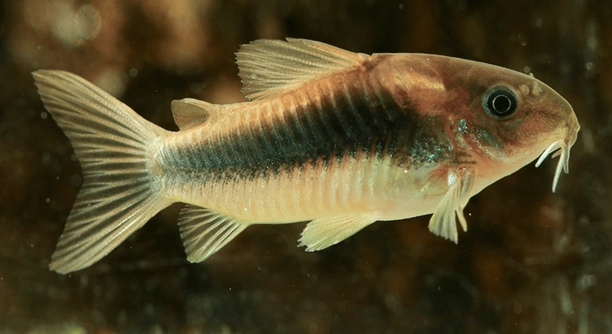
Corydoras catfish are popular freshwater fish known for their peaceful nature and unique behavior. If you’ve noticed your catfish hiding under leaves, you may be wondering why they are doing this. It’s not uncommon for them to seek shelter.
Corydoras catfish often hide under leaves for various reasons, including stress, water conditions, or the presence of tank mates. They feel safer in places that mimic their natural environment, where they can rest and avoid perceived threats.
Understanding the reasons behind this behavior can help improve the well-being of your Corydoras. With a little knowledge, you can create a more comfortable environment for them to thrive.
Stress and Anxiety in Corydoras Catfish
Corydoras catfish are known to be calm, but they can still experience stress and anxiety. These fish are sensitive to changes in their environment, whether it’s water temperature, lighting, or even tank decorations. When they feel threatened, they often hide to feel secure. They may seek shelter under leaves or other objects in the tank as a way to reduce stress and stay hidden from perceived dangers.
Stress from tank mates can also contribute to hiding. Corydoras are peaceful, but if they’re living with more aggressive fish, they may retreat to quieter spots in the aquarium. If you notice your catfish hiding, it could be a sign that they are trying to escape from overly active or territorial tank mates.
One way to alleviate stress is by ensuring a proper tank environment. This means stable water parameters like temperature and pH, as well as providing plenty of hiding spots and plants. Keeping the tank calm and peaceful will help your catfish feel safe, encouraging them to spend more time out in the open.
Poor Water Quality
If your Corydoras catfish keeps hiding, poor water quality could be to blame. These fish are particularly sensitive to changes in water conditions, including high ammonia, nitrites, or even low oxygen levels. When the water isn’t ideal, they will often look for safe places to retreat.
Make sure to check the water parameters regularly, especially if you notice any unusual behavior. Keeping the tank clean and changing water as needed can significantly improve their health and comfort. Healthy water helps your Corydoras feel more secure and reduces their need to hide.
Tank Size and Space Constraints
Corydoras catfish are small, but they still need enough space to move around freely. A cramped tank can make them feel confined, prompting them to seek hiding spots more often. If the tank is overcrowded, there isn’t enough room for the fish to explore or swim, causing stress.
A proper tank size, typically at least 20 gallons for a small group of Corydoras, is essential. Overcrowding can lead to territorial behavior from other fish, further stressing the catfish. Corydoras need space to be active, forage for food, and feel secure in their environment. Ensuring a spacious tank helps reduce their need to hide.
Even if the tank is large enough, overcrowding can happen due to too many fish. In addition to proper space, be mindful of the number of fish you keep with the Corydoras. Adding more hiding spots like plants, caves, or driftwood can also help ease their anxiety and encourage natural behavior.
Temperature Fluctuations
Corydoras are sensitive to water temperature, and fluctuations can make them uncomfortable. They thrive in stable temperatures between 72°F and 78°F. If the water is too hot or too cold, the fish may become stressed and hide to escape uncomfortable conditions.
Maintaining a consistent temperature helps the catfish feel secure. Use an aquarium heater to keep the water at the right temperature, and check it regularly. Sudden temperature changes, like those caused by a draft or moving the tank, can cause Corydoras to seek cover.
Some fish will become more active when the water is stable, so providing a reliable environment will make your catfish more confident. Make sure the temperature remains constant to avoid stress and encourage your Corydoras to swim around more freely.
Inadequate Tank Decorations
Corydoras catfish love to explore, but they also need places to hide when they feel threatened. If the tank doesn’t have enough decorations like plants, rocks, or caves, they may feel exposed. Hiding under leaves gives them a sense of security.
Adding more tank decorations can make your Corydoras feel more at ease. Live plants and natural materials create hiding spaces that mimic their natural habitat. When they have places to rest and explore, they will be less likely to stay hidden all the time.
Proper decorations help them thrive and feel safe in their environment. They may spend more time swimming freely when they have the option to hide if they need to.
Poor Tank Mate Compatibility
Aggressive or overly active fish can cause Corydoras to feel threatened. If they are in a tank with fish that chase or bully them, they may retreat to hidden areas to avoid conflict.
Choosing peaceful tank mates for Corydoras is important to avoid stress. Fish like tetras, guppies, or other calm species will allow them to stay comfortable and enjoy the space. Make sure there’s no competition for hiding spots, as this can create more stress for your catfish.
Overfeeding
Overfeeding can lead to poor water quality and stress in Corydoras. When there is leftover food in the tank, it can degrade water conditions, which will make the fish retreat to hide. It’s also harder for them to find food if it’s too much.
Feeding your catfish the right amount ensures they are getting enough nutrition while keeping the water clean. Adjust the portion sizes to prevent excess food from accumulating. This will help your Corydoras feel more secure and less likely to hide out of discomfort.
FAQ
Why do Corydoras catfish hide under leaves?
Corydoras catfish often hide under leaves to feel secure. In the wild, they live near the bottom of rivers where they can take shelter among plants and debris. If they feel stressed, threatened, or uncomfortable, they will seek refuge in similar areas. It’s their way of coping with environmental factors such as water quality, tank mates, or temperature fluctuations.
How can I stop my Corydoras from hiding all the time?
To reduce hiding, ensure your Corydoras’ environment is calm and comfortable. This includes stable water conditions, proper tank size, and peaceful tank mates. Make sure the water temperature is consistent, and avoid overcrowding the tank. Adding plants and decorations will give them secure places to retreat, which will reduce the need for hiding.
Can Corydoras catfish live in a tank with other fish?
Yes, Corydoras are peaceful fish and can coexist with other species. However, it’s important to choose non-aggressive tank mates. Fish that are too large or territorial might stress out your Corydoras. Smaller, calm fish like tetras, guppies, or peaceful barbs make good companions. Also, ensure there are enough hiding spots for your Corydoras to feel safe.
What water temperature is best for Corydoras catfish?
Corydoras catfish thrive in a temperature range of 72°F to 78°F (22°C to 26°C). If the water gets too hot or too cold, they can become stressed and might hide more often. Consistency is key; avoid sudden changes in temperature. Using a reliable aquarium heater will help maintain a stable environment.
How often should I feed my Corydoras catfish?
Feed your Corydoras small amounts of food once or twice a day. Be mindful of overfeeding, as excess food can pollute the water. Corydoras are bottom feeders, so they will also eat leftover food that sinks. However, try to remove uneaten food after 10-15 minutes to maintain water quality.
Do Corydoras need a specific type of substrate?
Corydoras catfish prefer soft, fine-gravel or sand substrates. They use their barbels to search for food at the bottom of the tank. Sharp or rough gravel can damage their sensitive barbels, causing stress and potential injury. Sand is ideal, as it mimics their natural habitat and is gentle on their delicate barbels.
How can I improve water quality for my Corydoras?
Maintaining good water quality is essential for Corydoras. Regular water changes are necessary, typically 25% every two weeks, to keep ammonia and nitrite levels low. Use a reliable filter to ensure water is cleaned and oxygenated properly. Additionally, make sure the pH level stays within the range of 6.0 to 7.5, as Corydoras prefer slightly acidic to neutral water.
Are Corydoras catfish nocturnal?
Corydoras catfish are primarily nocturnal, meaning they tend to be more active at night or during low-light conditions. During the day, they might hide under leaves or in other shaded areas, especially if there’s too much light. To accommodate their natural behavior, try keeping the lighting low or providing hiding spots where they can feel more comfortable during the day.
How many Corydoras should be kept together?
Corydoras are social fish and do best in groups. A small group of at least 4-6 Corydoras will help reduce stress and encourage natural behavior. They feel more comfortable when they are not alone, as they rely on each other for safety and companionship. Avoid keeping just one or two, as they may become lonely or more prone to stress.
Why is my Corydoras catfish not eating?
If your Corydoras catfish isn’t eating, it could be due to several reasons. Poor water quality, improper temperature, or stress from tank mates could affect their appetite. Make sure the water conditions are optimal, and check for any signs of illness. Sometimes, Corydoras may also hide more if they are unwell or feeling threatened, so ensure the environment is calm and peaceful.
Can I breed Corydoras catfish in my tank?
Yes, you can breed Corydoras catfish in a home aquarium. To encourage breeding, maintain a stable environment with clean, slightly acidic water. The fish may lay their eggs on smooth surfaces like rocks or leaves. After the eggs hatch, provide the fry with small, soft foods like infusoria or baby brine shrimp. Ensure the tank is spacious enough and free from aggressive tank mates that might harm the young.
What are the signs that my Corydoras catfish is stressed?
Stress in Corydoras catfish can be shown by hiding more frequently, staying near the bottom of the tank, or swimming erratically. They may also display rapid gill movement or avoid food. If you notice these signs, check the water quality, temperature, and tank mates to identify the stressor. Reducing stress will improve their behavior and overall health.
Is it normal for Corydoras catfish to bury themselves in the substrate?
Yes, Corydoras catfish often bury themselves in the substrate as part of their natural behavior. They use their barbels to search for food, and this can involve digging into the sand or fine gravel. It’s completely normal and a sign that they feel safe and comfortable in their environment.
Final Thoughts
Corydoras catfish are generally peaceful and easygoing fish, but they can sometimes hide under leaves or other objects in the aquarium. This behavior is often linked to their natural instincts, stress, or environmental factors. It’s important to understand that hiding isn’t necessarily a bad sign, but it could indicate an underlying issue that needs attention. Whether it’s poor water quality, temperature fluctuations, or tank mates causing stress, small adjustments to the tank setup can make a big difference. Ensuring they have enough space, hiding spots, and a calm environment will help your Corydoras feel more secure and less likely to hide.
Keeping Corydoras catfish healthy requires regular maintenance of their tank and water conditions. Monitoring things like water temperature, pH levels, and ammonia levels is essential. Frequent water changes and good filtration will keep the environment clean, helping to reduce the chances of stress or illness. Additionally, providing appropriate tank mates and enough hiding places, such as plants and smooth rocks, allows your Corydoras to express natural behavior. Having a balanced, peaceful tank with low stress will encourage your fish to be more active and less inclined to hide.
By making a few simple adjustments, you can improve the well-being of your Corydoras and help them thrive in their environment. Keep in mind that Corydoras are bottom dwellers and might naturally spend time in hiding spots or low-light areas, especially if they feel insecure. As long as their basic needs are met, they should adapt and gradually feel more comfortable. Watching your Corydoras interact with their environment can be very rewarding, and ensuring they have a safe, peaceful space will keep them happy and healthy for years to come.

Hello,
If you enjoy the content that we create, please consider saying a "Thank You!" by leaving a tip.
Every little bit helps us continue crafting quality advice that supports the health, happiness, and well-being of pets around the world, for pets of all shapes, sizes, and species.
We really appreciate the kindness and support that you show us!