
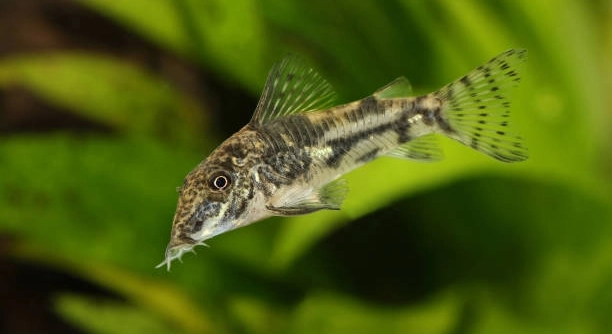
Encouraging natural foraging behavior in Corydoras catfish is an essential part of their care. These fish are bottom dwellers, and in the wild, they actively search for food in the substrate. Replicating these behaviors in an aquarium is beneficial to their health and well-being.
To encourage natural foraging behavior, it is important to create an environment that mimics the fish’s natural habitat. Providing a varied substrate, including sand and small pebbles, along with hiding spots and live plants, can stimulate natural exploration. Additionally, offering a diverse range of food sources will encourage them to forage actively.
Understanding the factors that promote natural behavior will help you improve the overall well-being of your Corydoras catfish.
Create a Natural Habitat with Substrate and Hiding Spots
For Corydoras catfish, the substrate plays a vital role in mimicking their natural environment. They thrive in tanks with a soft, sandy bottom, which allows them to sift through the substrate in search of food. Fine sand is ideal as it won’t hurt their sensitive barbels. Small pebbles or gravel can also work, but it’s important to avoid sharp edges that could cause injury. Providing a variety of textures in the substrate encourages exploration and foraging.
Adding hiding spots is equally important for encouraging foraging behavior. Corydoras feel more comfortable when they can retreat to a safe space, which increases their confidence to explore the tank. Driftwood, rocks, or PVC pipes can serve as hiding spots. These elements not only enhance the aesthetics of the tank but also replicate their natural environment, making the catfish more likely to engage in natural behaviors.
By providing a substrate that resembles their natural habitat and offering hiding spaces, you help your Corydoras feel secure, promoting foraging behavior. This setup is simple yet effective in creating an environment that encourages active exploration.
Offer a Variety of Food Sources
Variety is key when it comes to encouraging natural foraging. Corydoras catfish are opportunistic feeders, so offering different types of food will engage their senses and prompt them to explore. Freeze-dried or live foods, like bloodworms and brine shrimp, are excellent options to add variety. You can also incorporate sinking pellets, which are specially designed to stay on the tank’s floor where the catfish prefer to search.
Changing the food type regularly will ensure that your Corydoras don’t get bored and will encourage them to actively forage instead of relying on easily accessible foods. Another great idea is to scatter food around the tank, so the catfish must work for their meal, mimicking how they would forage in the wild. This also prevents them from becoming too accustomed to one food source and enhances their overall activity.
Offering a mix of food and scattering it encourages Corydoras catfish to forage naturally. It’s a simple yet effective way to enhance their behavior and keep them healthy.
Use Live Plants for Enrichment
Live plants not only enhance the visual appeal of the tank but also promote foraging behavior. Corydoras enjoy exploring plants, which provides both food and hiding spaces. Plants like Java fern, Amazon sword, and anubias are great for these fish, offering a natural space for foraging.
The roots of live plants can trap food particles, giving your Corydoras more opportunities to hunt. This behavior is beneficial for their physical and mental well-being, as they will spend more time searching for food and navigating through the plants. It also mimics the natural environment where these fish would forage around submerged vegetation.
Adding live plants is a low-maintenance yet highly effective way to encourage foraging. They not only contribute to the health of your tank by improving water quality but also provide a more natural, engaging habitat for your catfish.
Introduce Tank Mates That Encourage Foraging
Choosing the right tank mates can also stimulate your Corydoras to forage. Smaller, peaceful fish that live near the substrate help create a lively environment where your catfish are motivated to seek out food. Avoid aggressive species that could intimidate the Corydoras or prevent them from scavenging freely.
Adding tank mates like peaceful bottom-dwellers such as otocinclus or small shrimp can encourage your Corydoras to be more active in their foraging. These species interact in ways that can mimic natural behavior, leading your catfish to actively forage for food and spend more time exploring. The presence of other species can also promote a more natural balance in the tank.
A variety of tank mates will help simulate the natural foraging conditions Corydoras would experience in the wild. By creating a peaceful, diverse tank environment, you encourage your catfish to be more active in their search for food.
Use Feeding Techniques That Mimic Natural Conditions
Feeding techniques can influence how your Corydoras forage. You can scatter food across the tank floor, so your catfish must search for it. This encourages their natural behavior, forcing them to actively seek out their meal, just like they would in the wild.
Another method is using a feeding ring. This device can help keep food concentrated in one area but still require the Corydoras to forage within it. This mimics the act of foraging in a more focused way, providing them with a satisfying challenge and keeping them active.
Maintain Proper Water Conditions
Water conditions are crucial for Corydoras to feel comfortable enough to forage. Clean, well-oxygenated water is necessary for your fish to stay healthy and exhibit natural behaviors. Proper filtration ensures water quality is maintained, which will also support their activity levels.
The right water temperature, between 72-78°F (22-26°C), is essential to keep Corydoras active. Stable water parameters help your catfish feel secure, encouraging them to explore and forage without stress. Regular water changes also ensure that the environment remains optimal for their well-being.
Provide a Balanced Diet for All Life Stages
Corydoras benefit from a diet that supports their growth at every stage of life. Newly hatched fry need smaller foods like infusoria or liquid fry food, while adult fish require more substantial fare. A balanced diet ensures they remain healthy and active, encouraging natural foraging behavior.
Using a variety of food types, like sinking pellets, frozen foods, or live food, helps keep the diet well-rounded. This gives your Corydoras the chance to engage in natural foraging behavior, as they will explore the tank more and expend energy finding their food.
FAQ
How often should I feed my Corydoras catfish?
Corydoras catfish should be fed once or twice a day. It’s important not to overfeed, as uneaten food can pollute the water. Smaller, frequent meals are better than large ones, which can cause stress to the fish. Keep in mind that Corydoras are bottom feeders, so ensure the food you offer sinks to the tank’s substrate. This allows them to forage naturally.
Can Corydoras catfish live with other fish?
Yes, Corydoras catfish can live peacefully with many other fish, especially peaceful, bottom-dwelling species. Avoid aggressive tank mates, as they may disrupt the catfish’s natural behavior. Corydoras do well in a community tank with species that don’t compete for food or territory. Good tank mates include small tetras, peaceful gouramis, or shrimp.
What should I avoid feeding my Corydoras catfish?
Avoid feeding Corydoras catfish large amounts of high-protein foods like bloodworms or brine shrimp, as these can lead to digestive problems if offered too frequently. Stick to a well-balanced diet of sinking pellets, frozen foods, and vegetables. Always ensure the food is appropriate for their size and nutritional needs.
Do Corydoras catfish need a filter?
Yes, Corydoras catfish benefit from a well-maintained filtration system. While they are hardy fish, clean, oxygen-rich water helps them thrive and encourages natural behaviors like foraging. A good filter also keeps the tank environment healthy, which is vital for the overall health of your catfish and other tank inhabitants.
How can I tell if my Corydoras catfish is stressed?
Stressed Corydoras will exhibit certain signs, such as hiding more often, staying near the surface of the tank, or appearing lethargic. They may also lose their usual active behavior, like foraging or swimming around the tank. Stress can be caused by poor water conditions, aggressive tank mates, or improper feeding schedules. Addressing these factors will help reduce stress.
Can Corydoras catfish eat algae?
Corydoras catfish are not primarily algae eaters, but they may nibble on soft algae that grows on tank surfaces. However, they should not be relied on to control algae growth. Providing proper tank cleaning routines, along with appropriate algae-eating species like snails or otocinclus, is recommended for maintaining a clean tank.
How do I know if my Corydoras are getting enough to eat?
If your Corydoras catfish are actively foraging and have a healthy appearance, they’re likely getting enough food. They should not be visibly thin, and their barbels should remain intact. If food is consistently disappearing and your catfish appear healthy, it’s a good sign that they’re eating well.
Why are my Corydoras catfish not foraging?
If your Corydoras aren’t foraging, there may be a few causes. Poor water conditions, lack of hiding spots, or an improper diet can discourage natural foraging behavior. Make sure your tank has appropriate substrate, plants, and hiding places. Also, try scattering food around the tank to encourage them to search. Ensure water quality is optimal and consistent.
What water temperature is best for Corydoras catfish?
Corydoras thrive in water temperatures between 72°F and 78°F (22°C to 26°C). Temperatures outside this range can cause stress and affect their behavior. Maintain a stable environment to encourage your Corydoras to be more active, including natural foraging.
Can I keep Corydoras in a tank without plants?
While Corydoras can live in a tank without plants, they will benefit from live plants. Plants provide hiding spots, natural food sources, and stimulate their foraging behavior. If you choose not to include plants, ensure the tank still has plenty of other enriching features like substrate variety and hiding spots.
Final Thoughts
Encouraging natural foraging behavior in Corydoras catfish is essential for their overall well-being. These fish are bottom-dwellers, and in their natural habitat, they spend a lot of time scavenging for food. By mimicking these conditions in the aquarium, you can promote healthy activity and improve their physical and mental health. Providing a variety of food, such as sinking pellets, frozen food, and live options, can keep them engaged and encourage foraging behavior. Additionally, using techniques like scattering food or adding feeding rings can help create a more natural environment.
It’s also important to consider tank mates, as the presence of other peaceful species can stimulate the Corydoras to forage more actively. Fish that dwell near the substrate or swim around the bottom can encourage your Corydoras to be more active and explore. Maintaining a well-balanced tank environment, including proper filtration and water temperature, plays a vital role in creating the right conditions. Stress from poor water quality or overcrowding can discourage natural behaviors like foraging, so it’s essential to keep the tank clean and the environment stable.
Finally, creating a comfortable and enriched environment with live plants and natural hiding spaces will support the foraging instincts of Corydoras. Plants help simulate their natural habitat, where they would be foraging among submerged vegetation. A well-planted tank can also trap food particles, providing additional opportunities for the fish to search and scavenge. Encouraging these behaviors is not only good for their health but also makes for an interesting and dynamic aquarium that reflects their natural behavior. By providing the right environment, you can help your Corydoras thrive and remain active.

Hello,
If you enjoy the content that we create, please consider saying a "Thank You!" by leaving a tip.
Every little bit helps us continue crafting quality advice that supports the health, happiness, and well-being of pets around the world, for pets of all shapes, sizes, and species.
We really appreciate the kindness and support that you show us!