
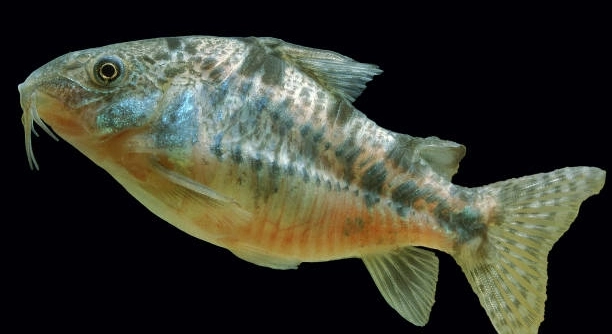
Is your Corydoras catfish spending more time resting at the bottom of the tank and showing little interest in food lately?
Loss of appetite in Corydoras catfish is commonly caused by poor water quality, unsuitable diet, illness, or stress from environmental changes. Identifying the root cause early is essential to restoring their appetite and overall well-being.
From subtle environmental shifts to overlooked dietary issues, we’ll walk through each possible reason your Corydoras might be avoiding food.
Poor Water Quality
Corydoras catfish are sensitive to their environment, and poor water conditions can quickly impact their behavior and appetite. Elevated ammonia or nitrite levels, unstable pH, or even low oxygen can all be damaging. A sudden drop in temperature or a lack of routine maintenance often causes stress, making your fish less active and uninterested in food. Regular water testing helps catch problems early, while weekly water changes can support a stable tank environment. It’s also important to ensure proper filtration and avoid overfeeding, which can lead to excess waste and fouling. Clean substrate and consistent care go a long way.
Unbalanced parameters might not always be obvious at first. Keep an eye on subtle changes, such as cloudy water or algae growth.
If your Corydoras are avoiding food and resting more than usual, the first thing to check is your tank’s water quality. Fixing water issues often leads to a quick improvement in behavior.
Inadequate Diet
Many Corydoras catfish lose interest in food when their diet lacks variety or nutritional value.
In the wild, Corydoras forage for insect larvae, worms, and bits of plant material. In captivity, they still need that mix to stay healthy and active. Relying only on one type of commercial pellet or flake food can lead to nutritional gaps and boredom, which eventually shows up as a loss of appetite. Frozen or live foods such as bloodworms or brine shrimp are excellent supplements. Sinking tablets with high protein content also work well. Offering a mix ensures they stay interested and nourished. Over time, rotating food choices helps mimic natural feeding patterns.
Feeding them only when the lights are dimmed can also make a difference since they are more comfortable in low light. Make sure food actually reaches the bottom of the tank, as floating bits may get missed. A balanced, thoughtful feeding routine can bring back their appetite quickly.
Illness or Parasites
Illness can often go unnoticed until your Corydoras stops eating. Parasites, infections, or internal issues can make feeding uncomfortable or painful. Other signs might include weight loss, unusual swimming, or a bloated belly.
Look closely for visible signs like white spots, cloudy eyes, or ragged fins, as these can point to specific health issues. If your Corydoras is hiding more than usual or gasping at the surface, it could be dealing with something more serious internally. Use a quarantine tank if you’re unsure, and treat with appropriate medication based on symptoms. Keeping the tank clean and stress-free helps reduce the chance of illness spreading. Regular observation and quick action are key to making sure your fish stays healthy.
Sometimes, even if no visible symptoms are present, internal parasites or infections may still be affecting your Corydoras. Medicated food or water treatments can help, but check with a vet or aquarium expert first.
Stress from Tank Mates
Aggressive or overly active tank mates can stress Corydoras, making them anxious and less likely to eat. These peaceful fish do best with calm companions and need space to forage without competition or pressure.
If your Corydoras is constantly hiding or darting away from other fish, the social setup may be off. Fish like cichlids or fast-moving barbs can intimidate them. Even fish that seem harmless can cause stress if they crowd the bottom of the tank. Keeping Corydoras in groups of at least five can also help reduce stress—they feel safer together. Rearranging tank decorations can give them more hiding places and break up territory. Watching behavior closely after introducing new fish can prevent future issues. A quiet, balanced tank makes it easier for Corydoras to settle in, explore, and feed confidently.
Recent Changes in Environment
A sudden change in tank setup, lighting, or decorations can unsettle Corydoras. These fish rely on routine and consistency, so even a minor shift can throw them off and lead to a loss of appetite.
Changes in water source or new cleaning products may also be affecting them. Stick to consistent routines.
Not Enough Hiding Spots
Corydoras feel safe when they have places to hide. Without caves, plants, or shaded areas, they may become anxious and stop eating. Adding soft decorations or low plants gives them the comfort they need to relax and feed normally.
Overfeeding
Overfeeding can cause uneaten food to rot and lower water quality. It also reduces a fish’s natural desire to search for food. Stick to small portions once or twice daily, and remove any leftovers after a few minutes to avoid buildup.
FAQ
Why is my Corydoras not eating but still swimming?
If your Corydoras is swimming but not eating, it may be experiencing stress, poor water quality, or illness. Even if they are still active, they may feel unwell or uncomfortable. Check your water parameters first to rule out issues like ammonia spikes, temperature fluctuations, or pH imbalances. If the water quality is fine, consider whether there are any changes to their environment or tank mates that could be causing stress. Observe their behavior closely for any other symptoms like unusual swimming patterns or signs of injury, which may indicate illness.
How long can a Corydoras go without eating?
Corydoras can typically go without food for a few days without serious harm, but it’s not ideal. If your fish is refusing food for more than 2-3 days, it’s important to investigate the cause. Extended fasting can weaken their immune system, leaving them more susceptible to illness. The first step should be to check the water quality and ensure the diet is varied and nutritious. If the problem persists, consult with an aquarium professional or vet to ensure your fish isn’t dealing with a more serious underlying issue.
What temperature should my Corydoras tank be?
Corydoras thrive in a stable temperature range between 72-78°F (22-26°C). If the water is too hot or too cold, it can stress them out and lead to a loss of appetite. Make sure your aquarium heater is functioning properly, and always check the water temperature regularly. Fluctuating temperatures can also make Corydoras uneasy, so aim to keep the tank at a consistent temperature.
Can Corydoras eat too much?
Yes, Corydoras can eat too much, and it’s important to avoid overfeeding. Overfeeding can lead to poor water quality as uneaten food decays, creating harmful toxins like ammonia. Additionally, it can cause digestive issues in the fish. Offer small amounts of food that your fish can consume in 2-3 minutes. It’s better to feed them smaller amounts more frequently than one large meal.
Is my Corydoras stressed?
Signs of stress in Corydoras include excessive hiding, rapid breathing, lethargy, or erratic swimming. Stress can be caused by poor water quality, aggressive tank mates, or environmental changes. To reduce stress, maintain consistent tank conditions, offer plenty of hiding spots, and avoid overcrowding. Make sure the tank mates are peaceful, as Corydoras are generally calm and don’t tolerate aggression well.
What should I feed my Corydoras?
Corydoras are bottom feeders and require a balanced diet. Offer sinking pellets that are specifically designed for bottom-dwelling fish. You can supplement with frozen or live foods like bloodworms, brine shrimp, or daphnia. Also, small pieces of blanched vegetables like zucchini or peas can be included in their diet. Variety is key to ensuring your Corydoras get all the necessary nutrients.
Can Corydoras eat algae wafers?
Yes, Corydoras can eat algae wafers. These are a good source of plant-based food and help supplement their diet. However, algae wafers alone shouldn’t be the only food you provide. They should be part of a varied diet that includes proteins and other nutrients, as Corydoras need a balance of both plant and animal matter.
Why is my Corydoras hiding all the time?
If your Corydoras is hiding all the time, it could be due to stress, poor water quality, or illness. Corydoras are generally shy fish and do like to hide, but excessive hiding can be a sign of something wrong. Check the water quality for ammonia, nitrites, or pH imbalances. If everything seems normal, look for tank mates that could be intimidating your fish or any changes in the tank environment.
What are the signs that my Corydoras is sick?
Common signs of sickness in Corydoras include lack of appetite, abnormal swimming (e.g., swimming near the surface or sideways), faded colors, bloated belly, or visible lesions like sores or white spots. If any of these symptoms appear, it’s important to isolate the fish if possible and treat the tank with the appropriate medications. Stress, poor water quality, or parasites can often be the cause.
Can Corydoras live with other fish?
Corydoras are peaceful and can live with most other fish, as long as the other species are not aggressive. They do best in a community tank with similarly calm and non-territorial fish. Avoid keeping Corydoras with fast swimmers or fish that might nip at their fins, as this can cause stress. They are bottom dwellers, so they generally don’t compete for space. Just ensure the tank has plenty of hiding spots to make them feel secure.
How do I get my Corydoras to breed?
To encourage Corydoras breeding, maintain stable water conditions with a temperature around 75°F (24°C) and slightly acidic water (pH 6.5-7.0). Providing a high-quality diet rich in protein can help them reach breeding readiness. You may need to simulate rainy season conditions by doing a large water change with slightly cooler water, which can trigger the spawning behavior. If your Corydoras are comfortable and healthy, they’ll often breed when the conditions are just right.
Final Thoughts
When your Corydoras catfish starts losing its appetite, it can be concerning. There are many factors to consider, including water quality, tank mates, stress, and illness. By checking the basics like water temperature, pH levels, and cleanliness, you can eliminate common problems early. Keeping a stable environment and observing your fish’s behavior closely will also give you valuable clues about what might be causing the issue.
Corydoras are relatively easygoing fish, but they do need certain conditions to thrive. Ensuring that they are in a peaceful tank with appropriate companions can help reduce stress and encourage them to eat. Offering a varied diet and avoiding overfeeding will keep them healthy and satisfied. If your Corydoras are still struggling to eat, don’t hesitate to consult with a vet or aquarium expert for further advice. Early intervention can make a significant difference in their recovery.
Finally, always remember that Corydoras catfish are delicate creatures that require attention to detail. By maintaining a clean, well-maintained tank and offering the right care, you can help ensure that your Corydoras remain healthy and happy. Regular checks on their behavior and environment will help you address issues before they become more serious, giving your fish a better chance at a long and comfortable life.

Hello,
If you enjoy the content that we create, please consider saying a "Thank You!" by leaving a tip.
Every little bit helps us continue crafting quality advice that supports the health, happiness, and well-being of pets around the world, for pets of all shapes, sizes, and species.
We really appreciate the kindness and support that you show us!