
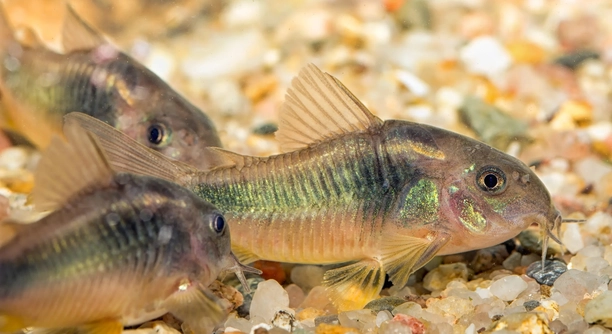
Corydoras catfish are known for their playful nature, but they can sometimes get stuck in decorations in your aquarium. This can be frustrating for both you and your fish, as it can cause injury or stress.
To prevent your Corydoras catfish from getting stuck in decorations, it’s important to choose smooth, fish-friendly decorations, maintain proper tank setup, and regularly inspect the tank. Ensuring the fish have enough space to swim freely also helps minimize risks.
Knowing how to set up a safe environment for your fish is key. We will guide you through simple and effective ways to avoid these common issues.
Choosing Safe Decorations
When selecting decorations for your aquarium, it’s essential to think about the safety of your fish. Sharp edges or rough surfaces can easily catch your Corydoras catfish. Opt for smooth, rounded decorations that will not trap or harm your fish. Many aquarium decorations are designed with fish safety in mind, so look for those labeled as “fish-safe.” Avoid items with tiny holes or crevices that could snag fins or bodies.
Carefully inspecting any new decorations before placing them in the tank is a good practice. If you’re unsure about an item’s safety, feel free to test it by running your hand along its surface. If it feels sharp, it’s best to avoid using it.
By choosing the right decorations, you can avoid unnecessary risks to your fish. Also, keeping the tank clutter-free helps ensure that your Corydoras catfish can move about easily without the chance of getting stuck.
Providing Adequate Tank Space
A crowded tank makes it difficult for your fish to move freely. Overcrowding increases the likelihood of your Corydoras catfish becoming stuck or injured. Ensuring your aquarium has enough space for your fish to swim without hindrance is essential for their well-being. This is especially important for bottom-dwelling species like Corydoras.
By maintaining a good balance between your fish, plants, and decorations, you can provide a more open, safer environment. For Corydoras, a spacious tank with plenty of room for swimming will reduce the chances of them getting trapped. Additionally, fish tend to feel less stressed in larger, well-maintained spaces.
It’s also important to remember that Corydoras are social creatures, so they enjoy swimming in groups. This means ensuring that there are enough spots for each fish to find space and swim comfortably. This not only helps with safety but also promotes happier, healthier fish.
Regular Tank Maintenance
Regular maintenance helps prevent problems before they arise. Cleaning your tank on a schedule ensures that debris doesn’t accumulate, which could cause your Corydoras catfish to get stuck. Remove any waste, leftover food, and algae that might create hazards for your fish.
A well-maintained tank also promotes water quality, which is vital for the health of your fish. Regular water changes, filtering, and scrubbing any surfaces that may have become rough or sharp will reduce the chances of injury. It’s important to keep decorations clean too, as buildup can affect their smoothness over time.
Regularly checking your tank setup and making adjustments if necessary will go a long way in keeping your Corydoras catfish safe. The more effort you put into maintaining a clean and safe environment, the happier your fish will be.
Choosing the Right Substrate
The substrate you choose for the bottom of your tank is just as important as the decorations. Fine sand or smooth gravel provides a comfortable surface for Corydoras catfish to swim over and forage. Avoid using sharp rocks, as they can harm your fish.
Corydoras spend a lot of time near the bottom of the tank, so it’s essential to provide a substrate that supports their natural behavior. Rough or uneven gravel can trap their fins or even cause injuries. A soft substrate also allows the catfish to burrow, which is part of their instinctive behavior.
Ensure the substrate you choose allows for proper filtration as well. A poorly draining substrate can lead to debris buildup, further increasing the risk of your Corydoras getting stuck. A well-chosen substrate creates an environment where your fish can move freely and comfortably.
Avoiding Overcrowding
Overcrowding can limit the swimming space for your Corydoras catfish, leading to potential accidents. It also increases the risk of fish getting stuck between decorations. Keep the number of fish appropriate for your tank size.
By reducing the fish density in your aquarium, each fish has more space to swim freely. This simple adjustment helps your Corydoras avoid getting trapped in decorations or other tight spaces. Plus, it reduces stress, making the environment more comfortable for all inhabitants.
Monitor Fish Behavior
Keeping an eye on your Corydoras’ behavior helps you identify any issues early on. If you notice unusual movements, such as struggling near decorations or hiding excessively, it could indicate a problem. Early detection allows for quick action.
Fish behavior often gives clues about their environment and health. Pay attention to any signs of discomfort, such as frantic swimming or scratching against objects. Keeping track of these patterns will help you take the necessary steps to ensure their safety.
Provide Hiding Spaces
Corydoras catfish feel more secure when they have hiding spots in the tank. Using plants, caves, or other safe spaces gives them room to retreat and rest. However, make sure these spaces aren’t too small to avoid trapping them.
The hiding spots should be big enough for the fish to move in and out easily. By providing these, your Corydoras will feel less stressed and more comfortable exploring their surroundings. Just ensure the hiding spots are smooth and don’t have sharp edges that could pose a risk.
FAQ
How do I know if my Corydoras catfish is stuck?
If your Corydoras catfish is stuck, you might notice it struggling to move, rubbing itself against objects, or staying in one position for an extended period. Fish that are stuck can appear stressed or agitated, and they may also look like they’re attempting to free themselves but can’t. In some cases, you may even notice physical signs of injury or damage to their fins. If you spot these behaviors, it’s a good idea to check the tank setup and decorations to see if they’re causing any obstruction.
Can Corydoras catfish get stuck in plants?
Yes, Corydoras can sometimes get stuck in plants, especially those with dense or long leaves. These catfish are bottom dwellers and enjoy foraging around plants, but if the plants have tangled or long stems, it can cause entanglement. To prevent this, opt for soft, bushy plants that won’t trap the fish. Avoid using plants with thick, rigid leaves that might make it harder for them to move.
How can I make my aquarium more Corydoras-friendly?
To make your aquarium more Corydoras-friendly, focus on creating a smooth, spacious environment. Choose smooth gravel or fine sand as substrate, as rough or sharp materials can cause injury. Add plants and decorations that are soft and rounded, avoiding any sharp edges or small openings. Make sure the tank has ample hiding spaces for your fish, such as caves or soft plants, to help them feel secure. Regular maintenance and cleaning of the tank will also help reduce any hazards that might develop over time.
What type of decorations are safe for Corydoras catfish?
When choosing decorations for your Corydoras catfish, opt for smooth and rounded items. Ceramic caves, driftwood, and plastic decorations labeled as “fish-safe” are good options. Avoid any decorations with sharp edges, small openings, or rough surfaces that could cause injury. If using rocks or natural materials, make sure they are smoothed down or have no jagged edges. Regularly inspect your decorations for wear and tear, as even small chips or rough patches can become dangerous over time.
Is it safe to use aquarium filters with Corydoras catfish?
Aquarium filters are essential for keeping your tank clean, but the type of filter you choose can affect your Corydoras catfish. Corydoras are sensitive to strong currents, so it’s important to select a filter that doesn’t create too much water movement. A sponge filter or a gentle canister filter with adjustable flow is ideal. Make sure the filter intake is covered with a sponge or mesh to prevent your Corydoras from getting sucked in or stuck. Regularly check the filter to ensure it’s not creating a strong current in one part of the tank.
Can Corydoras catfish live with other fish?
Yes, Corydoras catfish are peaceful and can live with many other species of fish. They do well in community tanks with species that are not overly aggressive. However, it’s important to avoid tank mates that might bully or stress your Corydoras. Small, non-aggressive fish such as tetras, guppies, and other bottom dwellers typically get along well with Corydoras. Always make sure that the tank provides enough space and hiding spots for everyone to coexist peacefully.
How often should I check my Corydoras catfish for signs of injury?
It’s a good idea to check your Corydoras catfish for signs of injury at least once a week during your routine tank maintenance. Look for any unusual marks, cuts, or abrasions on their bodies and fins. If you notice your fish acting out of character, such as being overly lethargic or struggling to swim, it could be a sign of injury. Make sure the tank is free of any sharp decorations or rough substrate that could be causing harm. Regular health checks will help catch any problems early on.
What should I do if my Corydoras catfish gets stuck?
If you find that your Corydoras catfish is stuck, remain calm and carefully assess the situation. First, gently free the fish from the obstruction if possible, using a soft net or your hands. Be very careful not to hurt the fish. After releasing the catfish, check for any signs of injury, such as torn fins or scratches. If necessary, place the fish in a quarantine tank to monitor its recovery and keep it away from potential hazards. Once the fish appears healthy again, review your tank setup to prevent future incidents.
Are Corydoras catfish prone to getting stuck in small spaces?
Corydoras catfish can sometimes get stuck in small spaces, especially if their environment contains decorations with tight openings or narrow gaps. These fish are small and curious, often exploring every nook and cranny in their environment. If a space seems too small for the fish to move freely, it’s better to remove it or replace it with something safer. Regularly check for any potential hazards, such as loose decorations or items that could easily trap the fish. Always ensure your tank has plenty of room for your Corydoras to swim around freely.
Can Corydoras catfish get stuck in filters?
Corydoras catfish are at risk of getting stuck in filters if the intake is too strong or the filter is not properly covered. Their small size and inquisitive nature make them vulnerable to getting sucked in if the filter’s current is too powerful. To prevent this, use a sponge filter or place a mesh cover over the filter intake. Additionally, adjust the flow rate on your filter to create a gentle current in the tank. Keeping the filter clean and well-maintained will also reduce the risk of any issues with your fish getting caught.
What other precautions should I take to keep Corydoras safe in the aquarium?
Aside from selecting safe decorations and ensuring there’s enough space, keeping your aquarium water clean is crucial. Regular water changes, monitoring the water parameters, and using a good filtration system are essential for keeping Corydoras safe and healthy. You should also avoid placing decorations with small holes or sharp edges that could pose a danger to the fish. A well-maintained aquarium reduces stress and the likelihood of your Corydoras getting stuck. Lastly, avoid overcrowding the tank, as this increases the risk of accidents and prevents the fish from swimming freely.
Final Thoughts
Corydoras catfish are generally hardy and peaceful fish, but they do face some unique challenges in the aquarium environment. One of the most common concerns is their tendency to get stuck in decorations or small spaces. With their bottom-dwelling nature, they often explore every nook and cranny of the tank, which can sometimes lead to trouble if the setup isn’t fish-friendly. However, by taking a few precautions and ensuring the tank is properly set up, you can reduce these risks and create a safer, more comfortable environment for your Corydoras catfish.
Choosing the right decorations and substrate plays a significant role in keeping your fish safe. Smooth, rounded items without sharp edges will help prevent accidental injuries. Similarly, using a soft substrate like fine sand or smooth gravel allows your Corydoras to move freely without getting stuck. Additionally, ensuring that the tank isn’t overcrowded provides each fish with enough space to swim around comfortably. When Corydoras catfish have the space and environment they need, they are less likely to get caught in decorations or other objects in the tank. Regular maintenance and checking for any potential hazards will also go a long way in preventing problems from arising.
By focusing on the basics—tank setup, decorations, substrate, and proper care—you can keep your Corydoras catfish safe and healthy. Monitoring their behavior regularly and being proactive in managing the tank will help identify any issues before they become serious. Remember, these fish thrive in environments where they can move freely and comfortably, so maintaining a well-maintained tank is key to their well-being. Following the simple steps outlined will ensure your Corydoras live happily without the worry of getting stuck in decorations or other dangerous areas.

Hello,
If you enjoy the content that we create, please consider saying a "Thank You!" by leaving a tip.
Every little bit helps us continue crafting quality advice that supports the health, happiness, and well-being of pets around the world, for pets of all shapes, sizes, and species.
We really appreciate the kindness and support that you show us!