
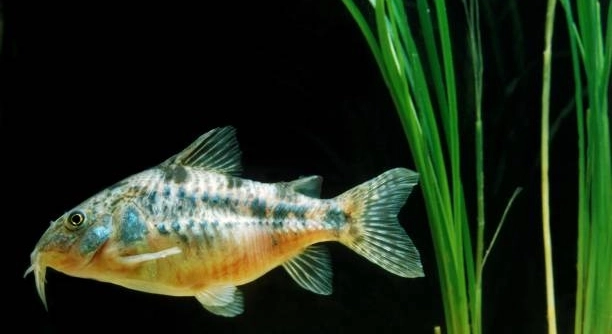
Corydoras catfish are often seen darting around in their tanks, but if you’ve noticed this behavior, you might be wondering why. Understanding their movements can help create a better environment for your fish and alleviate any concerns.
Corydoras catfish typically dart around the tank as a natural response to stress, fear, or discomfort. Environmental factors such as water quality, tankmates, and lighting can all influence this erratic behavior, signaling a need for attention or adjustment.
There are many possible reasons behind your Corydoras catfish’s darting. By understanding these theories, you can ensure your fish remains healthy and happy.
Water Quality Issues
Corydoras catfish are very sensitive to water conditions. When the water quality in the tank is poor, they may react by darting around. Ammonia, nitrites, and high nitrates can cause stress, making the fish uncomfortable. Dirty water can also lead to oxygen deficiency, which forces the fish to swim more actively in search of air. It’s essential to monitor water parameters regularly and keep the tank clean to avoid these issues.
If your Corydoras catfish are darting around, testing the water quality is a good first step. Water changes can help restore balance, and using a filter ensures the tank stays clean and oxygenated.
Maintaining proper water quality is key to keeping your fish healthy. Regular water changes, cleaning the substrate, and using water conditioners can make a significant difference. If the tank is overcrowded or there is an issue with filtration, this can exacerbate water problems and cause your Corydoras to act erratically. Keep an eye on pH levels, temperature, and ammonia levels. This proactive approach will help ensure a more stable environment and reduce stress for your fish.
Tankmates and Stress
The presence of other fish can greatly impact how your Corydoras behave. Aggressive or overly active tankmates might intimidate them, causing your catfish to dart around in an attempt to avoid conflict. Even non-aggressive fish can cause stress if they invade your Corydoras’ personal space too often.
If you have active or larger fish species in your tank, it’s important to observe how they interact with your Corydoras. Some fish may unknowingly stress out your catfish by swimming too close or competing for food. Corydoras are peaceful and can become anxious around overly active or territorial fish.
Stress from tankmates can be avoided by choosing peaceful species that won’t overwhelm your Corydoras. Adding hiding spots or plants to create separate spaces can give your fish the opportunity to retreat when they feel threatened. You can also try rearranging the tank to give your Corydoras more space and lessen the chance of stressful encounters. This will help them feel secure and reduce erratic swimming behavior.
Temperature Fluctuations
Corydoras catfish are sensitive to temperature changes. If the water temperature fluctuates too much, your fish may become stressed, causing them to dart around. They prefer a steady, moderate temperature between 72°F and 78°F. Sudden shifts in temperature can affect their metabolism and immune system, making them more susceptible to illness.
To maintain a stable temperature, use a reliable aquarium heater and thermometer. Avoid placing the tank in drafty areas or near windows where temperatures can change rapidly. Consistent water temperature helps prevent stress and ensures your fish stay healthy and active without darting around unnecessarily.
If your tank is in a room with temperature variations, consider using a heater guard or adding an aquarium lid to help stabilize the temperature. Regularly check the heater to make sure it’s functioning properly and set within the ideal range for Corydoras. Monitoring your tank’s temperature consistently will help your fish feel comfortable and reduce erratic swimming behavior.
Poor Tank Setup
A poorly set-up tank can lead to stress for your Corydoras, causing them to swim rapidly. Sharp decorations, gravel that’s too rough, or even improper tank size can all make your fish uneasy. Corydoras prefer spacious environments with soft substrate that allows them to sift through the sand comfortably.
To create a more comfortable environment, choose smooth, fine gravel or sand as the substrate. Avoid sharp decorations that could potentially injure your catfish while they are swimming or resting. If your tank is too small, consider upgrading to provide your Corydoras with more room to explore. This will reduce stress and prevent erratic movements.
Properly arranging plants and decorations can also create hiding spots, making your fish feel more secure. Corydoras thrive in tanks with plenty of places to retreat when needed. Keeping the environment clean and well-maintained will further reduce any stress caused by an unorganized tank setup. By paying attention to their habitat, you can help your Corydoras feel more at ease.
Overfeeding
Overfeeding is a common cause of stress in Corydoras catfish. If there’s excess food in the tank, it can lead to poor water quality and make the fish anxious. They might also dart around in search of uneaten food. Overfeeding can also cause digestive issues and weight gain, which affects their behavior.
To avoid overfeeding, feed your Corydoras small amounts once or twice a day. Make sure they finish the food within a few minutes, and remove any leftovers. This helps maintain good water quality and reduces the risk of stress-related darting. Be mindful of the amount you’re offering to keep your fish healthy.
Always check your fish after feeding to ensure they are eating properly and not leaving food behind. If they seem uninterested in the food or are swimming nervously, try adjusting the portion size. Monitoring their eating habits will help keep your Corydoras active and reduce unnecessary stress.
Tank Lighting
Lighting in your aquarium can affect the behavior of Corydoras catfish. Bright, harsh lighting may cause stress, leading to erratic movements. Corydoras are nocturnal by nature and prefer low-light environments. If they feel exposed under bright lights, they may swim quickly in search of cover.
To create a more natural environment, use a dim or soft light. Consider adding plants or decorations that provide shelter for your Corydoras to hide when they feel overwhelmed. Avoid keeping the tank lights on for long periods, and use a timer to mimic day and night cycles. This helps your fish feel more secure and relaxed.
Illness or Injury
When Corydoras are feeling unwell or have an injury, they may dart around in the tank as a sign of distress. This behavior could indicate that they are trying to escape discomfort or are reacting to pain. Illnesses or injuries can make the fish feel vulnerable, causing erratic swimming.
It’s important to closely observe your Corydoras for any signs of illness, such as unusual spots, wounds, or a decrease in appetite. If you notice any abnormalities, consider isolating the sick fish and providing proper treatment. Maintaining good water quality and feeding a balanced diet can help prevent illness in the future.
FAQ
Why is my Corydoras swimming fast in circles?
If your Corydoras is swimming fast in circles, it could be due to stress or poor water quality. Rapid, repetitive swimming can sometimes indicate a lack of oxygen, high toxins like ammonia or nitrites, or uncomfortable water temperature. Check the water parameters and ensure your tank is well-aerated with a good filtration system. If the water conditions are fine, stress from tankmates or lighting might be the cause. Make sure your Corydoras has places to hide and feel secure.
Can overfeeding cause my Corydoras to dart around?
Yes, overfeeding can lead to water quality issues, causing stress in your Corydoras. Excess food in the tank can decompose, leading to harmful spikes in ammonia and nitrates. This can make your fish anxious, causing them to swim erratically. Feed your fish only what they can eat in a few minutes and remove any leftover food. Overfeeding can also lead to digestive issues, which may make your Corydoras uncomfortable and more likely to dart around the tank.
Do Corydoras need a lot of space to swim?
Corydoras do need space, but they aren’t as active as some other fish. However, they do appreciate a tank with enough room to explore and retreat. If the tank is too small or overcrowded, your Corydoras might become stressed, leading to erratic swimming. Providing hiding spots and plenty of substrate for them to sift through will make them feel more secure. Ideally, a 20-gallon tank should provide enough space for a small group of Corydoras.
How can I prevent my Corydoras from darting around the tank?
To stop your Corydoras from darting, focus on creating a comfortable, low-stress environment. Make sure the water quality is good with proper filtration and frequent water changes. Monitor the temperature and avoid any sharp or rough objects in the tank. Provide hiding places like plants or decorations to give them a place to retreat. Also, consider tankmates that are peaceful and won’t cause stress. Lastly, avoid overfeeding to prevent water quality issues.
Is it normal for Corydoras to swim to the surface?
Corydoras are bottom dwellers, but they will occasionally swim to the surface for air. This is completely normal, especially since they have a special organ called a “labyrinth organ,” allowing them to breathe oxygen from the air. However, if your Corydoras is constantly swimming to the surface and gulping for air, it could be a sign of poor oxygen levels in the tank. Make sure your filtration system is working properly and the water is well-aerated.
Should I worry if my Corydoras are hiding all the time?
Hiding is a natural behavior for Corydoras, especially if they are feeling stressed or insecure. If they are frequently hiding, it could be due to environmental factors like aggressive tankmates, bright lights, or poor water quality. However, if they seem lethargic, have reduced appetite, or are staying hidden for long periods, it may indicate illness. Regular water testing and keeping the tank conditions stable will help reduce stress and encourage your Corydoras to be more active.
What can I do if my Corydoras are darting due to tankmates?
If tankmates are causing stress, you may need to reevaluate your tank setup. Corydoras are peaceful, bottom-dwelling fish, so active or aggressive tankmates could intimidate them. Consider adding peaceful species or ensuring that your Corydoras has plenty of hiding spots and space to retreat. Observing how your fish interact can give you a better idea of what might be causing the stress. In some cases, removing overly aggressive fish might be necessary for the well-being of your Corydoras.
How often should I do water changes to prevent darting?
Regular water changes are essential to keeping your Corydoras healthy. Ideally, you should change 20-30% of the water every week to maintain good water quality. In heavily stocked tanks, you may need to change the water more often. Regular testing of ammonia, nitrites, and nitrates will help you adjust the frequency based on the tank’s specific needs. Consistent water changes prevent toxic buildup and help reduce stress in your Corydoras.
Can lighting cause my Corydoras to swim erratically?
Yes, lighting can significantly affect Corydoras behavior. Bright or constant lighting can stress out these nocturnal fish, causing them to swim frantically or hide more often. Corydoras are naturally adapted to low-light environments, so it’s best to use dim lighting or consider a timer to create a day-night cycle. If your Corydoras seem stressed under bright lights, try reducing the intensity or providing more hiding spaces where they can feel secure during the day.
Are there any signs of illness I should watch for in Corydoras?
Corydoras can show signs of illness through abnormal behavior, such as excessive darting, loss of appetite, or sluggishness. Physical signs to watch for include discoloration, lesions, or swollen bellies. If your Corydoras suddenly starts swimming erratically or has difficulty swimming, it could indicate a problem. Make sure to quarantine sick fish, check water parameters, and consider seeking treatment from a vet if symptoms persist. Early detection will help prevent the illness from spreading.
Final Thoughts
Corydoras catfish are generally peaceful and resilient fish, but like all animals, they can experience stress that leads to unusual behavior, such as darting around the tank. Understanding the possible causes behind this behavior is key to ensuring your fish stay healthy and comfortable. By observing your tank conditions and making adjustments, you can minimize stress factors that lead to this erratic movement. Whether it’s water quality, tankmates, or lighting, there are many factors that can influence your Corydoras’ actions.
One of the most important things to keep in mind is the environment you provide for your fish. Corydoras thrive in clean, stable environments with adequate space and proper water conditions. Regular water changes, appropriate tankmates, and the right lighting all play a role in their well-being. If you notice your Corydoras darting around, it’s essential to check if something in the tank is causing stress. Sometimes, small changes like adjusting the tank’s temperature, adding more hiding spots, or reducing light exposure can make a big difference in their behavior.
While darting can be alarming, it’s often a sign that something in the environment needs attention. By observing your fish and their tank carefully, you can identify potential problems and take steps to address them. With proper care and attention, your Corydoras can continue to thrive and enjoy their tank without excessive stress. After all, providing a stable and comfortable home is the best way to ensure their long-term health and happiness.

Hello,
If you enjoy the content that we create, please consider saying a "Thank You!" by leaving a tip.
Every little bit helps us continue crafting quality advice that supports the health, happiness, and well-being of pets around the world, for pets of all shapes, sizes, and species.
We really appreciate the kindness and support that you show us!