
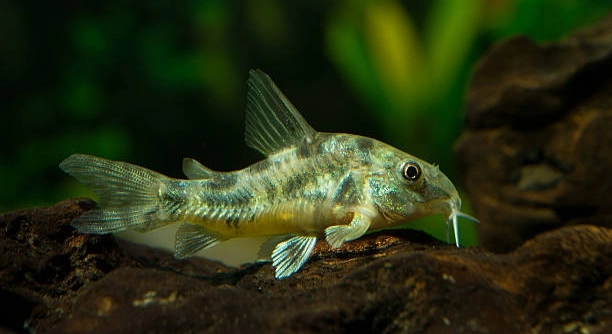
Introducing new Corydoras catfish to a school can be tricky. These small, social fish need the right conditions to settle in comfortably. Adjusting to their new environment can sometimes be stressful, but it is manageable with a few simple steps.
To help Corydoras catfish adapt to a new school, provide them with a stable, stress-free environment. Ensure proper water quality, introduce them gradually, offer hiding spots, and avoid overcrowding. Additionally, maintain a consistent feeding routine and monitor their behavior regularly.
With the right approach, your Corydoras will feel more comfortable in their new school, allowing them to thrive and become active members of your aquarium community. Continue reading to discover the best methods.
Water Quality Matters
The quality of the water in your aquarium plays a crucial role in the health of your Corydoras catfish. These fish are sensitive to changes in their environment, so maintaining stable water parameters is essential. Begin by ensuring the water temperature is between 72°F and 78°F. Keep the pH level in the range of 6.0 to 7.5, as extremes can cause stress. Ammonia and nitrite levels should remain at zero, while nitrates should be kept under 20 ppm. Regular water changes are necessary to remove toxins that accumulate over time.
Proper filtration is key to ensuring water quality stays consistent. A gentle filter with low water flow is ideal, as Corydoras prefer calm water. They don’t thrive in strong currents, which can make them feel stressed. Additionally, consider using a water testing kit to regularly check these parameters. Small fluctuations can have a big impact on their well-being, so always stay on top of it.
Maintaining stable water conditions will significantly reduce stress during the adaptation phase. Without this step, Corydoras may experience discomfort or illness. Having a clean, healthy environment is a foundation for successful integration into the school.
Gradual Introduction
Introducing Corydoras catfish to a new group should not be rushed. Sudden changes can be overwhelming for them, especially in a new environment.
Instead of simply adding them all at once, try introducing them in small groups or individually. This minimizes the shock to both the new fish and the existing school. Corydoras are social creatures and can benefit from the company of their kind, but the transition period should be gentle.
Hiding Spots and Shelter
Corydoras catfish thrive when they have access to places to hide. In their natural habitat, they find refuge in plants, rocks, and other structures. Providing similar hiding spots in your aquarium is essential for their comfort and well-being. Driftwood, caves, or dense plants give them the sense of security they need to adjust.
Hiding spots also help minimize stress by giving the fish a place to retreat if they feel overwhelmed. While Corydoras are social, they are not constantly active. They enjoy having a peaceful area where they can rest. When adding these spots, ensure they are spaced out enough to prevent overcrowding. This gives the fish more freedom to explore and settle in.
Shelter not only promotes relaxation but encourages natural behaviors, such as scavenging and exploring. Corydoras will feel more at ease knowing they can seek safety when necessary. Be mindful of sharp edges or materials that could harm them.
Consistent Feeding Routine
Maintaining a consistent feeding schedule is important for Corydoras during the adjustment period. They thrive on a steady routine, as it helps them feel more secure and understand when to expect food.
Feed them small portions once or twice a day, making sure the food is appropriate for bottom-dwelling fish. Corydoras are scavengers by nature, so sinking pellets, frozen foods, or live foods like bloodworms are perfect options. Avoid overfeeding, as uneaten food can quickly degrade water quality.
A consistent feeding routine ensures they’re getting the nutrition they need to stay healthy and active. Over time, they will associate feeding times with comfort and will be more at ease in their new environment. This simple step can ease their transition and help them bond with the rest of the school.
Avoid Overcrowding
Overcrowding can cause unnecessary stress for Corydoras catfish. They prefer a little space to move around, and too many fish in a tank can lead to aggressive behavior and poor water quality. Maintain a proper fish-to-tank ratio to ensure everyone has room to thrive.
Overcrowding leads to elevated stress levels, reduced oxygen, and difficulty maintaining water parameters. If your tank is too full, Corydoras may struggle to adapt. This makes them more susceptible to diseases and can cause them to become lethargic or hide excessively. Less is more when it comes to stocking.
Monitor Behavior Regularly
Keeping a close eye on the behavior of your Corydoras can help you spot issues early on. Watch for signs of stress or illness, like erratic swimming or excessive hiding. These indicators often signal that something isn’t quite right with the tank or the fish’s adaptation process.
Be Patient
Adapting to a new school takes time, so be patient with your Corydoras. Rushing the process will only increase their stress.
FAQ
What should I do if my Corydoras are hiding all the time?
Corydoras are naturally shy fish, and it’s common for them to seek shelter when adjusting to a new environment. However, constant hiding could indicate stress or poor water conditions. Ensure the water quality is optimal, with stable temperature, pH, and ammonia levels. If hiding persists, try adding more hiding spots, as well as reducing tank traffic. Sometimes, new fish need more time to feel comfortable, so be patient.
How many Corydoras should I keep together?
Corydoras are social fish that prefer to be in groups of at least three to five. A larger school of 6 to 10 fish is even better, as it mimics their natural behavior. A small group will still be beneficial, but having more gives them a sense of security and reduces stress. The more Corydoras you have, the more they will interact with each other, providing a more relaxed environment.
Can Corydoras live with other fish?
Yes, Corydoras are peaceful and do well in community tanks with other non-aggressive fish. They are bottom dwellers, so they typically won’t compete for space with other fish. Avoid keeping them with larger, aggressive species that may bully them. Corydoras can coexist with small to medium-sized peaceful fish like guppies, tetras, and rasboras.
What kind of food do Corydoras eat?
Corydoras are omnivores and eat a variety of foods. They enjoy sinking pellets, live foods like brine shrimp and bloodworms, and even frozen food. They are also scavengers, so they will happily forage for any leftover food at the bottom of the tank. Be sure to feed them small, frequent meals, ensuring they can find food easily. Avoid overfeeding to maintain water quality.
Why are my Corydoras swimming at the surface?
Corydoras typically stay at the bottom of the tank, but if they are swimming at the surface, it could indicate a problem with water quality. Check the oxygen levels in the tank, as low oxygen can force them to surface. Ensure your filtration system is working properly and that water movement is gentle enough for them. High ammonia or nitrite levels can also cause stress, so test your water and adjust as needed.
How do I know if my Corydoras are stressed?
Stressed Corydoras may display behaviors such as erratic swimming, hiding excessively, rubbing against objects, or becoming lethargic. If your fish seem inactive or have difficulty swimming, it could be a sign of illness or environmental stress. Check water parameters immediately, as poor water quality is often the main cause of stress in fish. Adding more hiding spots or reducing tank traffic can also help alleviate stress.
Can Corydoras live with other bottom dwellers?
While Corydoras can live with other bottom dwellers, it’s important to avoid species that may compete for the same space or food. Species like loaches or other catfish may become territorial and cause stress for Corydoras. Make sure the bottom of the tank has enough space for all inhabitants to coexist peacefully. A mix of top, middle, and bottom dwellers will create a balanced tank environment.
What temperature is best for Corydoras?
Corydoras thrive in water temperatures between 72°F and 78°F (22°C to 26°C). This range mimics their natural habitat in South America. Temperature fluctuations can cause stress and affect their health, so it’s important to keep the water temperature consistent. A reliable aquarium heater will help maintain a stable environment for your fish.
Why are my Corydoras not eating?
If your Corydoras are not eating, there may be a few factors to consider. Poor water quality, stress, or illness could be the cause. Ensure the water parameters are optimal and that the tank is not overcrowded. Corydoras may also refuse food if they are not familiar with it, so try offering different types of food. If they continue not eating, it’s best to monitor their behavior and consult a veterinarian if necessary.
How long does it take for Corydoras to adapt to a new school?
Corydoras may take several days or even weeks to fully adapt to a new school, depending on their environment and the conditions in the tank. During this time, they may act shy or hide more often. Patience is key. Once they feel secure, they will begin to interact with other fish and become more active. Ensure that the tank conditions are stable to facilitate their transition.
Do Corydoras need a lid on the tank?
While Corydoras generally stay at the bottom of the tank, it’s still a good idea to have a lid or cover for the aquarium. Some Corydoras, especially when startled or stressed, might attempt to jump. A lid will help prevent accidental escapes and maintain a safe environment.
Final Thoughts
Helping Corydoras catfish adjust to a new school requires patience and attention to detail. These fish are naturally social, but they may need some time to feel comfortable in their new environment. Providing them with the right conditions, such as appropriate tank size, hiding spots, and a consistent feeding schedule, can make a big difference. Corydoras are peaceful and adaptable, but their well-being depends on creating a safe and stress-free environment. Overcrowding, poor water quality, or a lack of hiding spaces can cause unnecessary stress and hinder their adjustment process.
It’s important to keep monitoring their behavior during this transition. If they are hiding too much, swimming erratically, or showing signs of illness, it may be a signal that something needs to be adjusted in their environment. Ensuring proper water quality and temperature, avoiding sudden changes, and making sure they have enough space to move freely will go a long way in helping them settle in. Additionally, keeping them in groups of at least three or five can provide the security they need to thrive. Corydoras are more likely to adjust successfully when they feel safe and secure, so taking the time to create a balanced tank setup is crucial.
As time passes, you will likely notice your Corydoras becoming more active and social with their new school. They will begin to explore the tank, interact with each other, and display more natural behaviors. Keeping a consistent routine for feeding and tank maintenance ensures their continued health and happiness. With a little patience and the right care, Corydoras catfish will soon feel right at home in their new school, bringing peaceful activity to your aquarium.

Hello,
If you enjoy the content that we create, please consider saying a "Thank You!" by leaving a tip.
Every little bit helps us continue crafting quality advice that supports the health, happiness, and well-being of pets around the world, for pets of all shapes, sizes, and species.
We really appreciate the kindness and support that you show us!