
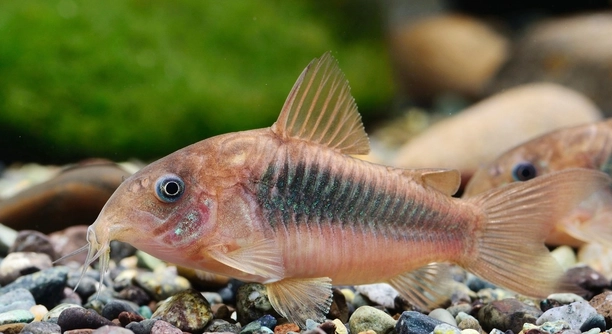
Have you ever added a Corydoras catfish to a new tank and felt unsure if it was settling in properly? Watching for small signs can help you understand what your fish is feeling in its new home.
A Corydoras catfish is likely comfortable in a new tank setup if it shows normal activity levels, eats well, interacts with tankmates, and rests calmly. Seven behavioral and environmental clues can help confirm your fish’s comfort and health.
Recognizing the right signs early on can prevent stress-related problems and create a better home for your Corydoras catfish.
1. Understanding Corydoras Behavior in New Environments
When you bring a Corydoras catfish into a new tank, it may take some time for it to adjust. These peaceful bottom-dwellers are known for their active, social nature. In a new setup, they might act a bit shy or hide more than usual. That’s completely normal during the first few days. Over time, you should start seeing signs that they feel safe. They’ll begin exploring, foraging through the substrate, and moving around more confidently. If you see them hanging out together or near tankmates, that’s another good sign. Just be sure the water conditions are stable, the lighting isn’t too harsh, and the tank has hiding spots. These little things help reduce stress and make them feel secure in their new space. Keep an eye on their body language and overall behavior, as it can tell you a lot about their comfort level in the tank.
Shaky swimming, darting, or trying to jump out may be signs of discomfort. Calm, steady movements mean they’re likely adjusting well.
Making small changes based on their behavior can help your Corydoras feel at home faster. You don’t need to overhaul your setup—just fine-tune it with care and patience to fit their needs better.
2. 7 Clear Clues Your Corydoras Is Comfortable
They should swim actively at the bottom, either alone or in a group, without showing signs of distress like rapid breathing or hiding.
- Normal swimming patterns: Corydoras swim calmly along the tank floor, often in little bursts of energy. You’ll see them sifting through the sand or gently gliding across the glass. If they’re swimming erratically or floating near the top for long periods, that’s not a good sign.
- Group interaction: These fish are social and do best in small groups. If they stay close to each other and interact often, they’re likely feeling secure.
- Regular eating habits: A healthy appetite means they’re relaxed. They should come out to feed and show interest in food.
- Bright eyes and clean barbels: Clear eyes and smooth barbels (those little whiskers) are physical signs of good health and comfort.
- Use of hiding spots: If they rest inside caves or behind decor but still come out often, that’s a sign of balance.
- Calm resting behavior: They sometimes lie still on the bottom. If they do this without appearing stressed, it’s normal.
- Lack of stress signs: No clamped fins, no fast gill movement, and no unusual color changes. These are all positive indicators.
3. Environmental Factors That Affect Their Comfort
Tank conditions can directly influence how comfortable your Corydoras feels. Clean, well-oxygenated water, gentle currents, and stable temperature levels help reduce stress. Make sure the tank is cycled properly before adding any fish to avoid harmful spikes in ammonia or nitrite.
Corydoras do best in soft, slightly acidic to neutral water with a temperature between 72–78°F. Avoid strong filters that cause strong currents—they prefer slower-moving water. Use a soft, sandy substrate since rough gravel can damage their barbels and cause infections. Add plants and hiding spots to give them a sense of safety. Dim lighting or floating plants also help them feel less exposed. Regular testing of water parameters ensures everything stays in check. Changes should always be made slowly so they can adjust gradually. Even small fluctuations in temperature or pH can affect their mood and behavior, so consistency is key in keeping them stress-free.
A comfortable tank doesn’t need to be fancy. A basic layout with good water quality, gentle lighting, and plenty of places to rest will do just fine. Once these conditions are met, Corydoras will often show more personality and seem less nervous. When they feel secure, their playful and curious nature becomes easier to see every day.
4. Social Needs and Tankmates
Corydoras are peaceful and social, which makes them a great addition to a calm community tank. They enjoy being around their own kind, so it’s best to keep them in small groups of at least four to six fish.
These catfish communicate and move as a group, often sticking close to one another as they explore the tank. Being alone or kept in pairs can make them stressed, shy, or inactive. The more Corydoras you keep (within reason), the more confident they become. It’s also important to choose peaceful tankmates—fish that are aggressive or fast-moving can make them feel unsafe. Good companions include small tetras, rasboras, or peaceful gouramis. Avoid fin-nippers or larger fish that might see them as food. Watching your Corydoras interact with each other and their tankmates can be a good way to check if everyone is getting along. A peaceful tank allows them to stay relaxed and healthy.
5. Feeding Behavior as a Comfort Indicator
A comfortable Corydoras will eagerly search for food along the bottom of the tank. They tend to use their barbels to sift through the substrate and pick at sinking pellets or leftover bits without hesitation.
If your Corydoras ignores food or hides during feeding time, it may be stressed. Healthy appetite usually returns once they feel safe.
6. Resting Habits You Should Notice
Corydoras need quiet time, too. They often rest on the substrate, staying still but alert. This is normal and not a sign of sickness. If they rest in the open and return to normal swimming afterward, they likely feel secure in their environment.
7. When to Be Concerned
If you notice clamped fins, pale color, or heavy breathing, it’s a sign something is wrong. These signs can point to poor water quality, illness, or a stressful tank environment. Acting early can help prevent health issues.
FAQ
How long does it take for Corydoras to adjust to a new tank?
Corydoras typically need a few days to a week to fully adjust to a new tank. They may initially hide or swim cautiously as they get used to their surroundings. As long as the tank conditions remain stable and the fish isn’t showing signs of distress, they should start to explore and behave more naturally within a few days. It’s important not to rush the process—let them adjust at their own pace.
Why is my Corydoras swimming at the top of the tank?
Corydoras are bottom-dwellers, so swimming at the top isn’t typical behavior. If they’re doing this, it could be a sign of stress or discomfort. One possible reason is poor water quality, like low oxygen levels or high ammonia. Check your tank’s water parameters—low oxygen can cause them to move to the top in search of air. It could also indicate a lack of hiding spots or the presence of a tankmate that’s stressing them out.
What is the ideal water temperature for Corydoras?
Corydoras thrive in water temperatures between 72–78°F (22–26°C). Temperatures outside this range can cause stress, affecting their immune system and overall health. Too cold or too warm water can lead to lethargy or respiratory problems. Make sure your aquarium heater is properly adjusted to maintain a stable, comfortable environment for your Corydoras.
Are Corydoras sensitive to light?
Yes, Corydoras prefer dim lighting and can be sensitive to bright lights. In nature, they tend to live in shaded areas with plenty of hiding spots. If your aquarium lights are too bright, it can stress your fish, causing them to hide more often. Consider using subdued lighting or placing some floating plants in the tank to provide shade. This will help them feel safer and more at ease.
Why is my Corydoras not eating?
If your Corydoras isn’t eating, it could be a sign of stress, illness, or poor water quality. Before assuming something is wrong, check the tank’s parameters, including ammonia, nitrite, nitrate, pH, and temperature. If these are out of range, your fish may lose its appetite. Additionally, Corydoras may become picky if the food isn’t sinking pellets or appropriate for bottom feeders. Ensure your fish has access to food that’s easy to find at the bottom, such as sinking wafers or pellets.
How do I know if my Corydoras is sick?
Sick Corydoras can show several signs, including clamped fins, pale color, lethargy, heavy breathing, or unusual swimming patterns. If your fish is isolating itself, swimming erratically, or scratching against objects in the tank, these could be signs of illness. If these symptoms persist, it’s important to check the water quality and isolate the sick fish if necessary. A vet specializing in aquatic animals can also help if the issue is beyond water quality.
Can Corydoras live with other fish?
Corydoras are peaceful and generally get along with other species. They do best with tankmates that are not aggressive and won’t bully or chase them. Small, non-aggressive fish like tetras, guppies, or rasboras make good companions. However, avoid keeping them with larger fish or species that may see them as food. Corydoras also do well in groups of their own kind, as they are social fish that like company.
How often should I feed my Corydoras?
Corydoras should be fed once or twice a day, with enough food to last them for a few minutes. Overfeeding can cause water quality problems, so make sure they finish the food within a few minutes to avoid leftover waste. Use sinking pellets, wafers, or a mix of protein and vegetable-based foods to give them a balanced diet. They will also enjoy the occasional treat, such as frozen bloodworms or brine shrimp, as long as it doesn’t make up a significant portion of their diet.
Can Corydoras breed in a community tank?
Yes, Corydoras can breed in a community tank, but you’ll need to provide the right conditions. A breeding pair requires slightly cooler water, around 68–74°F, and slightly acidic to neutral pH. They’ll also need good water quality and a calm environment with few disturbances. Corydoras are egg-layers, and after mating, the female will lay eggs on smooth surfaces. If you want to encourage breeding, adding live plants or breeding mats can help provide places for the eggs to attach.
Why does my Corydoras sometimes flick its body or fins?
Flicking, rubbing, or scratching against objects in the tank is a common sign of irritation or discomfort. It could indicate skin irritation caused by parasites, poor water quality, or stress. If the flicking continues for several days, it’s essential to inspect the water quality and look for signs of illness. Treating for external parasites or adjusting tank conditions might be necessary to resolve the issue.
Final Thoughts
Keeping Corydoras catfish in a well-maintained tank can be very rewarding. These peaceful fish are easy to care for once you understand their basic needs and comfort cues. By monitoring water quality, temperature, and lighting, you can create an environment where they thrive. They’ll quickly adapt to their new home as long as these factors remain stable. Whether you are a beginner or an experienced aquarist, watching your Corydoras explore and interact with each other can be an enjoyable experience. Their gentle nature and interesting behavior make them a great choice for most community tanks.
It’s important to remember that Corydoras are sensitive to changes in their environment. Small adjustments, like ensuring they have places to hide and gentle water currents, can make a huge difference in their well-being. Pay attention to their behavior, such as swimming patterns, eating habits, and social interactions, to gauge how they’re adjusting. If you notice any signs of distress, such as reduced activity or not eating, it could be a sign that something in the tank needs attention. Regular water changes and monitoring their tankmates also play a big part in their comfort.
In the end, the key to a happy Corydoras catfish is a stable, well-balanced environment. These little fish may not demand a lot of attention, but they do best when their surroundings are suited to their natural instincts. By staying mindful of their needs and adjusting your tank setup when necessary, you can help them live a long, healthy life. Watching them explore, rest, and socialize in their new tank will provide you with plenty of joy, knowing you’ve created a safe and comfortable space for them.

Hello,
If you enjoy the content that we create, please consider saying a "Thank You!" by leaving a tip.
Every little bit helps us continue crafting quality advice that supports the health, happiness, and well-being of pets around the world, for pets of all shapes, sizes, and species.
We really appreciate the kindness and support that you show us!